Enchantresses of the Island and the Sea
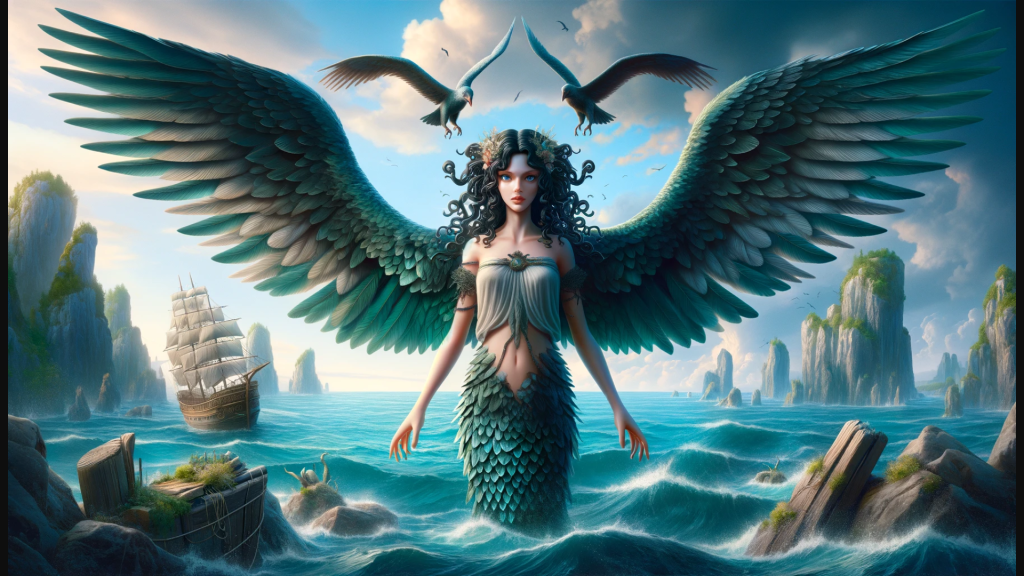
Legends of the Sirens have echoed through history, painting them as both mesmerizing and deadly. These creatures, known from Greek mythology, were said to reside on an isolated island, often identified as Anthemoessa. With their hauntingly beautiful voices, they lured sailors to their doom, promising paradise but delivering destruction. Descriptions of the Sirens varied; some depicted them as part-bird, part-woman hybrids, while later myths transformed them into seductive mermaids. No matter their form, their allure was undeniable, and few who heard their song survived.
The most famous account of the Sirens appears in The Odyssey by Homer. The hero, Odysseus, warned by the sorceress Circe, devised a clever way to hear their song without succumbing to its deadly call. He had his crew plug their ears with beeswax and had himself tied to the mast of his ship. As they sailed past the Sirens’ island, he was enchanted by their voices but remained unharmed. This tale solidified the Sirens’ reputation as irresistible yet fatal, their music weaving illusions of wisdom and fulfillment.
“First you will come to the Sirens, who enchant all who come near them. If anyone listens to their voice, he will never return home to see his wife and children again. Instead, he will sit with them, bewitched, and listen to their sweet voices until he dies, while around them lie great heaps of bones, moldy with the rags of skin rotting upon them.”
— Homer’s Odyssey (Book 12, lines 184-191)
Another well-known encounter with the Sirens comes from Argonautica, the story of Jason and the Argonauts. The heroes were saved by Orpheus, a musician whose divine melodies overpowered the Sirens’ song. His music drowned out their voices, allowing the Argonauts to pass safely. This story highlighted a rare way to counter the Sirens—not by resisting them but by overwhelming their magic with a greater force. The Sirens, humiliated by their failure, were said to have thrown themselves into the sea. This act further cemented their tragic nature as creatures doomed by their own power.
The Sirens’ island was depicted as a place of both beauty and death. Described as a rocky haven adorned with flowers and meadows, it was a deceptive paradise. However, the shores were littered with the bones of unfortunate sailors who had succumbed to the Sirens’ spell. Ancient Greeks believed the island represented temptation and the dangers of unchecked desire. The Sirens, whether seen as cursed beings or punishers of human folly, embodied the perils of seduction and illusion. Their existence warned against the consequences of giving in to irresistible but deadly calls.
Over time, the image of the Sirens evolved, blending with mermaid folklore and romanticized tales of tragic beauty. Today, they appear in literature, films, and art as symbols of danger, temptation, and the power of song. Their legacy remains strong, reminding us of the fine line between enchantment and destruction. Whether viewed as monsters, tragic figures, or warnings of peril, the Sirens’ myth continues to captivate modern audiences, just as their song captivated ancient sailors.
 B. K. P. Carreon
Leave a comment