Overview:
| Oppa Rockstar (James) and Bee Girl (Sophie) rush to the rooftop, both sensing an approaching danger. Without hesitation, they take to the skies, weaving between buildings and towering skyscrapers. A window cleaner’s cable suddenly snaps—he plunges toward the street below—but Bee Girl arrives just in time, catching him mid-fall. Nearby, Rockstar shatters a glass wall with a resonating music note, bursting into an office building and drawing stunned onlookers. Elsewhere, Michael transforms into Spartan—his spandex forged in blazing heatwaves under the peak noon sun of an open field. Taking flight, Spartan pursues a hijacked airplane, visible only to a lone boy watching in awe. Inside the aircraft, armed men force the pilot to land. Moments later, Spartan descends after them. With superhuman speed and strength, he swiftly overwhelms the hijackers, knocking them out and freeing the passengers from captivity. |
Rooftop_frequency.sav
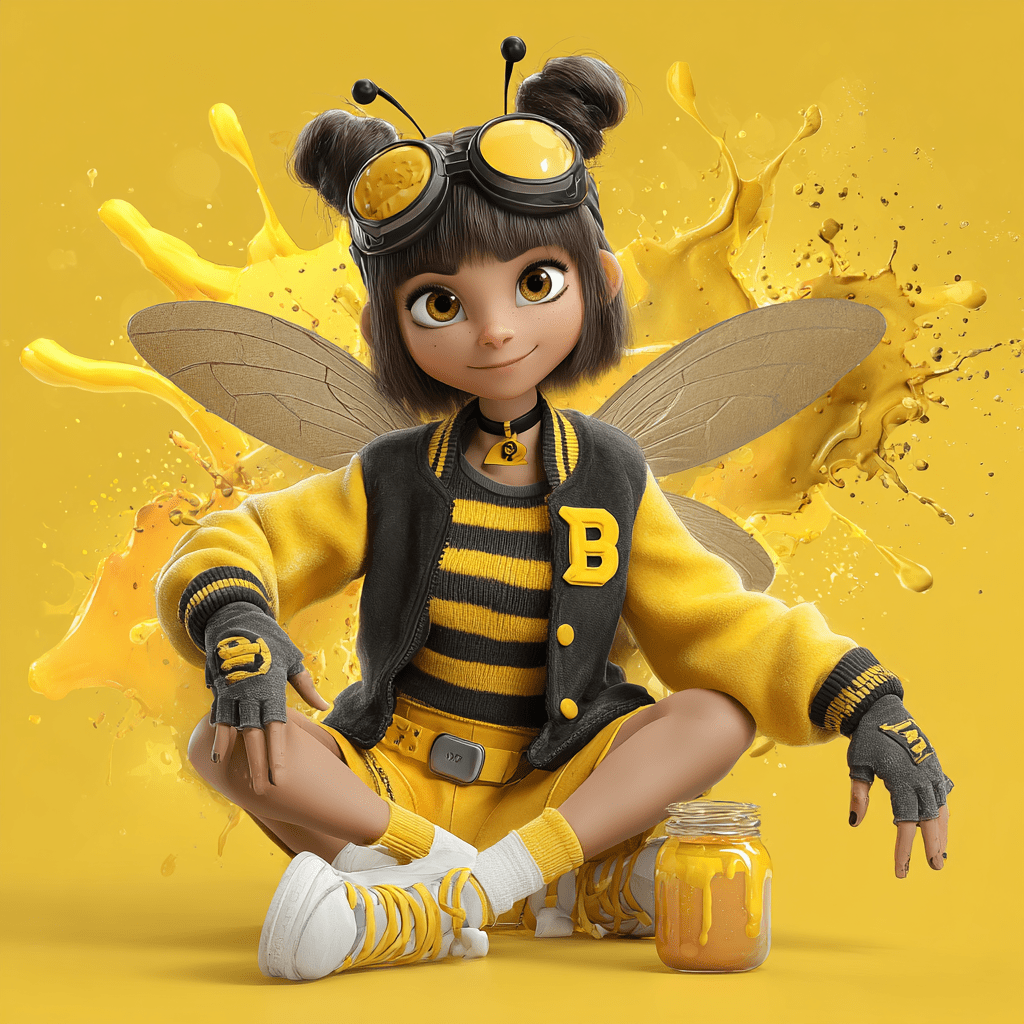
James and Sophie stand before a building entrance. James has his guitar slung over one shoulder, his cool outfit on, looking vaguely heroic in the way that tall, good-looking teenagers sometimes do without even trying. Sophie’s in her usual dainty ensemble, her dark mid-length wavy hair whipping in the wind.
“Is it here, Sophie?” James asks.
“Yes, Kuya James.” She nods, very serious for a seven-year-old. “I can sense impending danger.”
She can sense impending danger. I’ve said it before and I’ll say it again — the youngest ones are always the wildcard.
“Alright then,” James says, already moving. “We go.”
The brother and sister entered the building.
It happens fast.
The sim drops me on the rooftop of a glass tower somewhere in the financial district, and the view from up here is exactly what you’d expect from a city that takes itself way too seriously.
Skyscrapers everywhere. A forest of steel and glass stretching toward the horizon, each one reflecting the late morning sun like they’re all competing for the title of Most Expensive Mirror. The wind hits at this altitude — not the gentle kind, the kind that reminds you physics is real and gravity hasn’t taken a day off.
Sophie goes still. Not frozen — alert. Her chin lifts, her dark brown eyes go sharp, and then — pop — two black antennae shoot up from the top of her head, parting the top of her hair, twitching side to side like they’re scanning a frequency the rest of us can’t hear. She pivots on her heel and points at a glittering tower three blocks north, her arm straight as a compass needle.
“It’s over there. Miles away, at that building.”
Danger sense confirmed. Villain spawn detected. Initiating transformation sequence.
From the center of her spine, something stirs. Four beige cocoon wings unfurl, soft and organic and completely at odds with the glass-and-steel skyline behind her. They wrap around her body, overlapping until she’s curled inside a neat little ball that lifts off the rooftop floor on its own, hovering, bobbing gently in the wind. A flash — black and white, sharp as a camera burst — and the cocoon splits apart like a chrysalis doing its job.
Bee Girl hovers where Sophie used to stand.
The transformation is never not impressive. Those four translucent wings on her back — two large, two small — blur into invisibility, beating so fast they generate a constant, low bzzzzz that I feel more than hear. Her light brown hair is in twisty pigtails, but now the black antennae arc neatly above her bee-eye goggles, their lenses tinted dark against the afternoon glare. Honey jar earrings. Bee charm choker. Sleeveless yellow varsity jacket with that bold capital B stitched over the chest. Black-and-yellow striped tube top underneath. Yellow cycling shorts, high-cut socks, lace-up running shoes built for speed.
She hovers there in the wind, looking like a cartoon that escaped the screen and forgot to tell anyone.
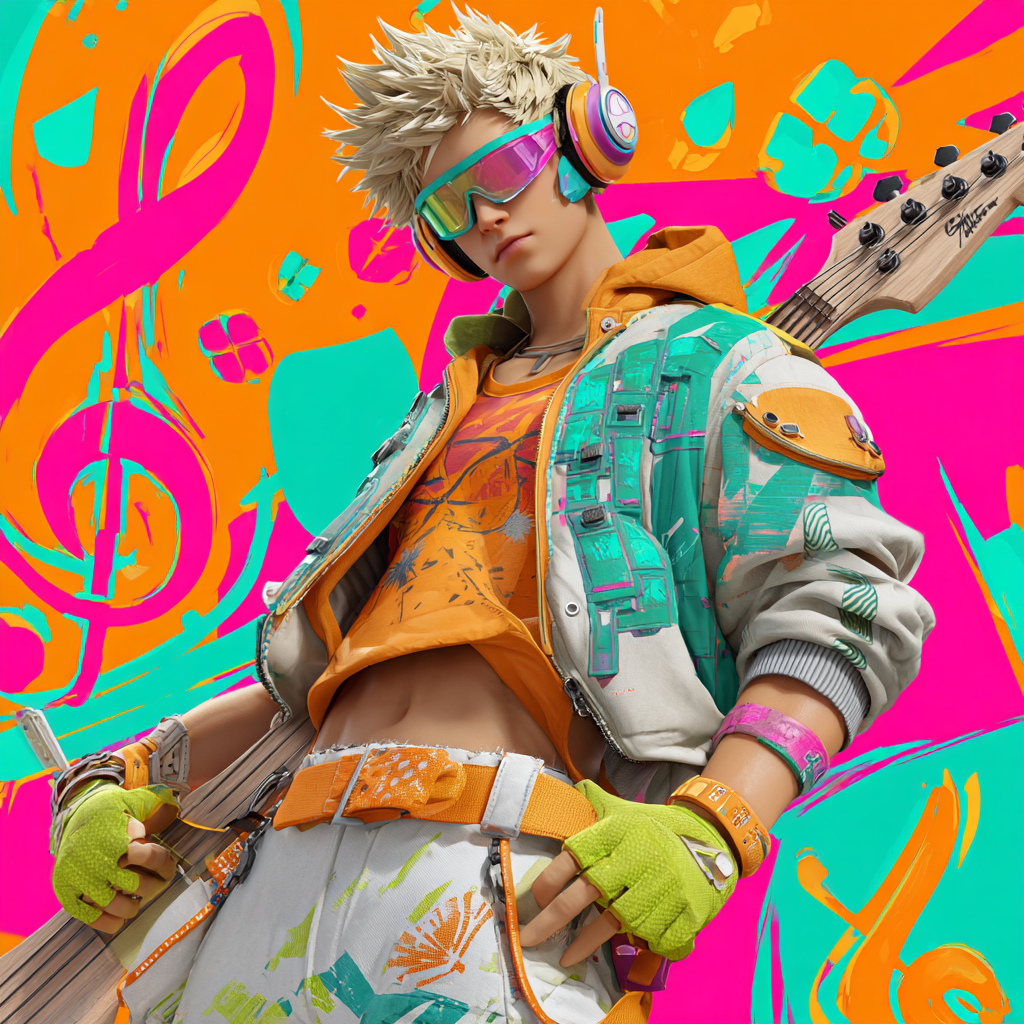
James is already strumming.
One chord — low, electric, buzzing with its own kind of energy — and the orange musical staff comes alive. It spirals out of the guitar’s body like a ribbon of solidified sound, coiling up around James in wide loops as his feet leave the ground. He spins with it, leaning into the rotation, and cyan, magenta, and yellow music notes explode outward from him in every direction, each one landing with a little pop of actual sound, like the air itself is applauding.
Faster. The staff flashes — brilliant orange — and dims.
Oppa Rockstar stands where a high schooler used to be.
He’s got that look. White, spiky hair catching the wind. Magenta visor glasses that have absolutely no business looking that cool. The white-and-gray jacket with glowing cyan cityscape lines traced across it, layered over an orange shirt with a sun blazing at the center. Apple green fingerless gloves. Yellow sneakers, rich and vivid. And the butterscotch guitar, polished to a mirror shine, strapped confidently across his back like punctuation.
The music notes settle into orbit around them — cyan, magenta, yellow — hopping and popping in rhythm as the orange musical staff manifests beneath Rockstar’s feet in the shape of a sleek white surfboard.
He steps onto it. Naturally.
Bee Girl’s wings hit full speed. They launch.
Seventeen floors below, a man in a dark gray suit steps out of his corner office. Enrico, hedge fund manager, a guy who spends his days staring at numbers and believing the world operates by logic. He turns to the window — probably expecting the usual city view, traffic, pigeons, nothing unusual — and his face does the thing faces do when the brain stops processing.
Eyes wide. Mouth open. Coffee cup hovering halfway to lips, forgotten.
Outside his floor-to-ceiling glass window, a girl with bee wings buzzes past at full speed, yellow-and-black against the blue sky, antennae twitching. Behind her, a teenager in a K-pop outfit rides a surfboard on a wave of orange light, trailing musical notes like exhaust fumes.
Achievement Unlocked: First Civilian Witness.
Enrico just stands there, staring at the sky where they were.
Buddy. Welcome to the new normal.
Dont_look_down_kuya.sav
The window cleaner doesn’t see it coming.
He’s three floors below where I’m watching, suspended on a four-cable platform the width of a dining table, humming something tuneless to himself the way people do when they’ve made peace with being very high up. Squeegee in hand, bucket hooked to the rail, rubber-soled boots planted on the metal grate. Just a guy doing his job on the glass face of a building that probably costs more per square meter than most people make in a year.
Then one of the cables snaps.
Not slowly. Not with a warning creak. Just — crack — and the platform lurches, one corner dropping hard, the whole thing tilting at a forty-five degree angle toward the city below. The bucket slides off instantly, disappearing without a sound. The man grabs the remaining cables with both hands, squeegee gone, knuckles white, feet scrambling against a surface that’s no longer horizontal.
“HELP! HELP!”
His voice tears up the side of the building. Inside, office workers rush to the windows — I can see them pressing against the glass on three different floors, phones already appearing in hands, faces stretched with that particular expression humans make when something terrible is happening just far enough away that they can’t do anything about it.
Loading rescue sequence, I think. Three, two—
Bee Girl moves.
No preamble. No speech. She’s already diving from above, wings a translucent blur, the bzzzzz of her flight shifting pitch as she pulls into a steep descent. She hits the man’s altitude in under two seconds and wraps both arms around his torso from behind, wings beating furiously to compensate for the weight difference. He’s easily twice her size — a grown man in coveralls versus a seven-year-old in a yellow varsity jacket — and for exactly one second the physics look alarming.
Then the wings find their rhythm and they rise.
Structural load calculations: somehow fine. Bee Girl defying biomechanics as usual.
She hovers them stable, twenty stories up, while the broken platform swings loose below. The man is making sounds that aren’t quite words — somewhere between prayer and profanity — his arms locked around Bee Girl’s like she’s the only solid thing left in the universe. Which, fair enough, she basically is right now.
Across the gap, Oppa Rockstar is already on it.
He shifts his weight on the surfboard, the orange musical staff curving him toward the building’s face, and strums a single hard chord. The note that erupts from the butterscotch guitar is solid — a life-size magenta sixteenth note, stem and flag and all, spinning through the air like a thrown disc. It hits the nearest window dead center.
The glass explodes inward.
Bee Girl doesn’t hesitate. She angles through the new opening, carrying the window cleaner across the threshold and setting him down gently on the office carpet, surrounded by a halo of glass fragments catching the fluorescent light. Rockstar rides in right behind her, surfboard dissolving at the threshold as he lands smooth on both feet and straightens his jacket.
The office has gone completely silent.
Then everyone moves at once. Clerks surge forward, half of them already livestreaming, phones held up like offerings. Someone gasps. Someone else says something in a voice too high to be casual.
The window cleaner sits on the floor, still gripping the front of his coveralls, breathing hard. He looks up at Bee Girl — at the antennae, the goggles, the wings still making their soft background hum — with an expression that cycles through about six emotions before landing on something adjacent to gratitude.
“What are you?!” he manages. “But — thanks.”
“You’re alright now,” Bee Girl says, and she means it the way only Sophie can mean something — no performance, no pose, just a small girl with bee wings who wanted to make sure a stranger was okay.
Rockstar grins. “Bee Girl. We’re done here.”
She stands. Nods. Lifts off.
He turns to the room full of phones and stunned faces, raises one apple-green gloved hand, and waves.
The office erupts in applause.
Exit, stage everywhere.
Noon_one_word_spartan.sav
The sim shifts me to an open field somewhere north of the city.
Noon. The sun is directly overhead, doing its job with maximum aggression — the kind of noon that turns asphalt into a soft suggestion and makes the air above the grass shimmer at the edges. There are no buildings out here, no traffic, no witnesses. Just Michael Pangilinan standing alone in the middle of a wide, flat nothing, his jaw set and his eyes fixed on the sky like he’s got an appointment up there.
He crosses his arms over his chest. Fists clenched. Shoulders squared.
There’s a beat — a single breath of stillness — and then he slams both arms down to his sides and shouts it like a detonation:
“Spartan!”
The field answers.
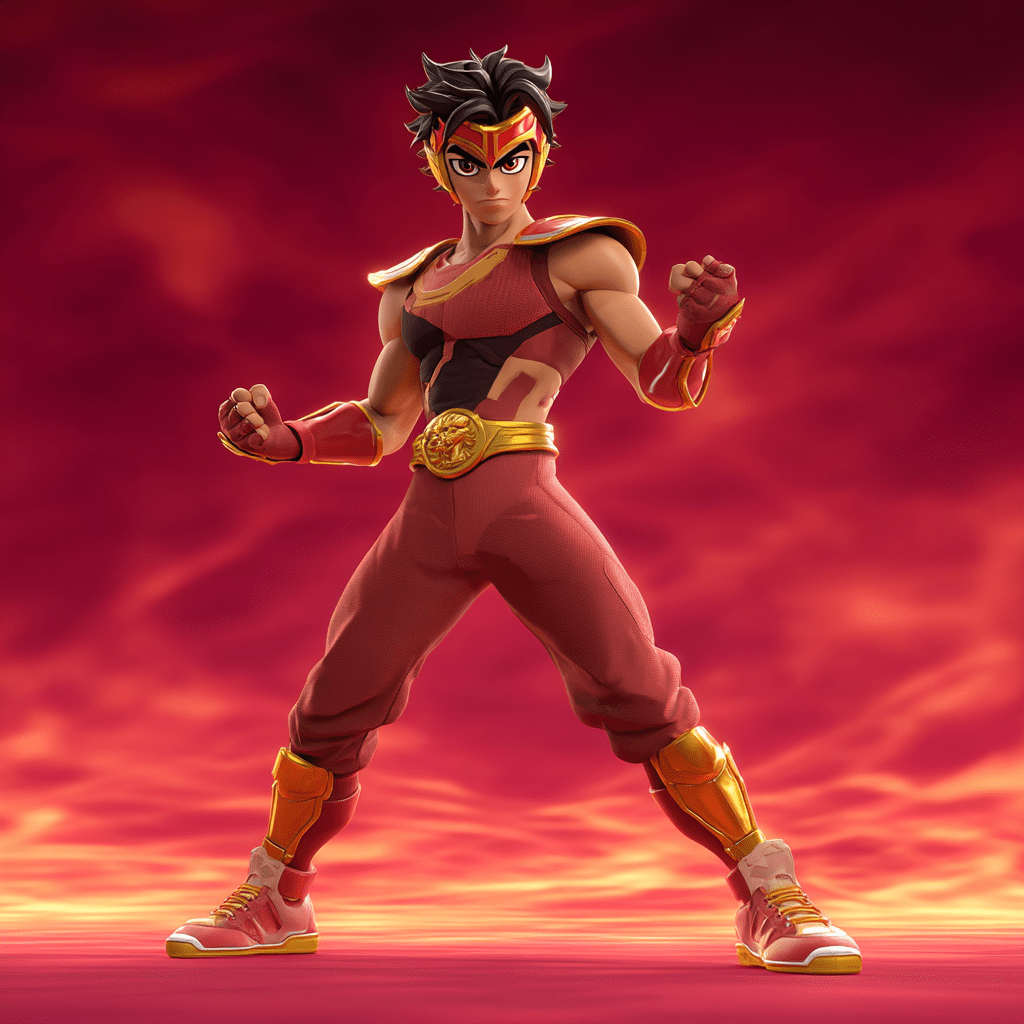
Scorching scarlet heat waves erupt from the ground around his feet, spiraling upward in tight rings, the air above the grass warping instantly into visible waves of thermal energy. It’s the kind of heat that makes you expect the smell of burning, except nothing actually burns — it’s all contained, all his. The waves close in, merging with his body, and the transformation moves fast: maroon-red spandex seals over his frame, the acrylic-molded chest and abs catching the sunlight like armor plate. The red helmet frames his face — back of the head covered, cheekbones outlined, jaw free, expression fully visible. Gold-and-red bracers lock into place along two-thirds of his forearms. The golden belt cinches at his waist, lion’s head at the center, laurel leaves circling the whole thing like he’s already won. High boots, deep red, rising to just below the knee.
The heat waves recede.
Spartan stands in the field, and the field looks smaller because of it.
Fourteen years old, I note from the sim room, watching him roll his shoulders once, the way athletes do before a race. Fourteen years old and he looks like he stepped off a comic book cover.
He looks up. His superhuman sight locks onto something I can’t see from this angle — a shape in the high sky, trailing a contrail. His expression doesn’t change. He just bends his knees slightly.
And launches.
It’s not like a jump. There’s no hang time, no arc. He goes up, straight up, arms extending forward, fists punching the air ahead of him, and within two seconds he’s a streak of scarlet and vermillion tearing a line through the blue. The heat distortion trails behind him like a jet exhaust made of light. He hits cloud layer and doesn’t slow down — he cuts through it, banking at altitude with the kind of casual precision that says he’s been doing this for two months and is already comfortable with it.
Achievement Unlocked: Supersonic Commute.
Red_streak_window_seat.sav
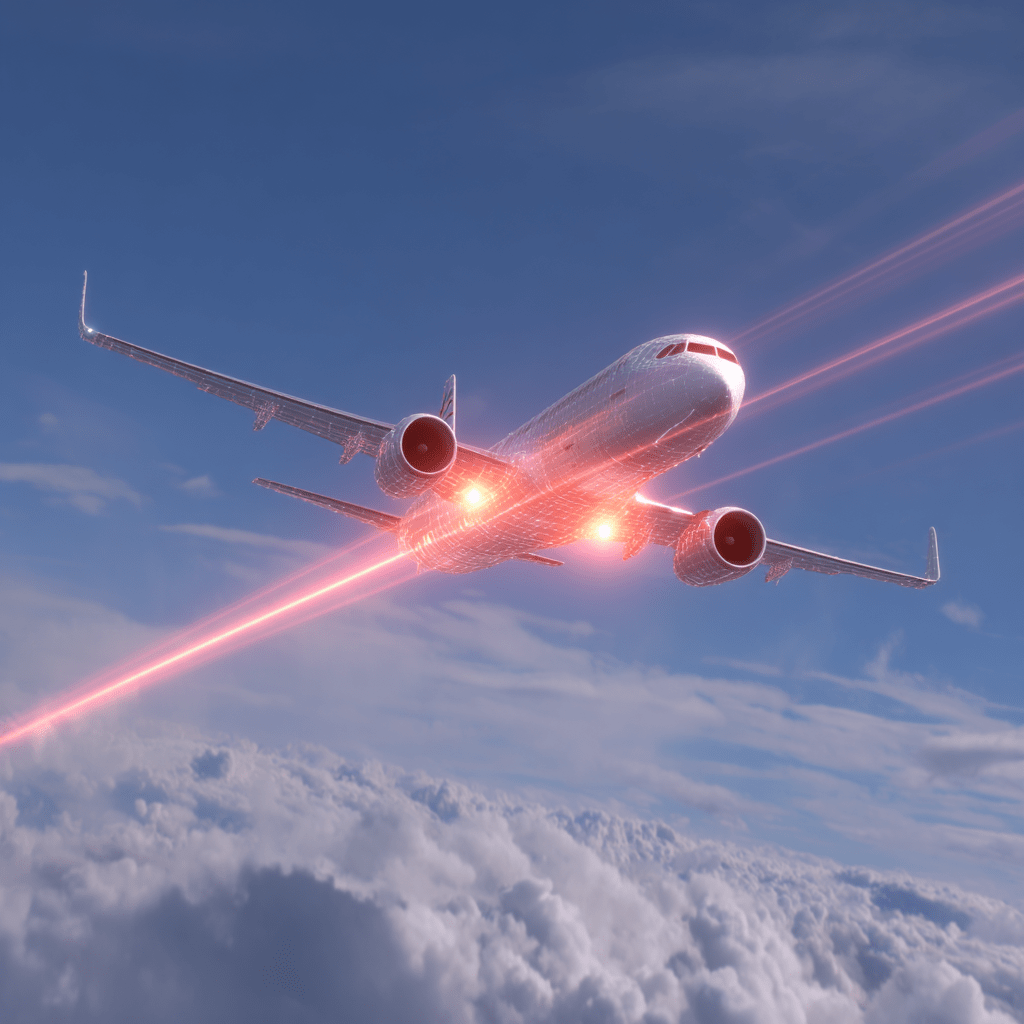
The sim snaps me inside the aircraft cabin, and the contrast is jarring.
Climate-controlled air. The white noise of engines. Passengers in their seats, some with earbuds in, some dozing, one kid with his face pressed against the window at his row — nine, maybe ten years old, nose smooshed against the oval glass, watching the sky.
Then his eyes go wide.
He sees the streak of red outside, pulling alongside the fuselage. His mouth forms a perfect O.
He has no idea what’s happening six rows behind him.
The masked leader is already standing, black hood pulled down to his chin, something held low at his side, voice pitched to carry without being too loud. Armed men positioned at the front and back galley. Flight attendants motionless against the bulkhead, their expressions doing the precise work of staying calm so the passengers don’t panic. It’s not working entirely — I can see the white-knuckled armrests, the darting eyes, the person in 14C very slowly putting their phone away.
“This is a hijack.” Flat. Practiced. The voice of someone who rehearsed this in front of a mirror. “Nobody moves.”
He pushes past the attendant into the cockpit.
“Land the plane. Nearest open field.” A pause. “Now.”
The pilot — grey-haired, steady hands, the kind of person who’s trained for every scenario except this one — complies. The nose dips. The cabin tilts. Seat belt signs ping on and half the passengers grab their armrests on instinct.
Outside, the kid at the window watches the red streak bank and pace the plane, keeping exact speed, close to the mid-fuselage. He presses his whole palm flat against the glass.
Wrong_field_right_hero.sav
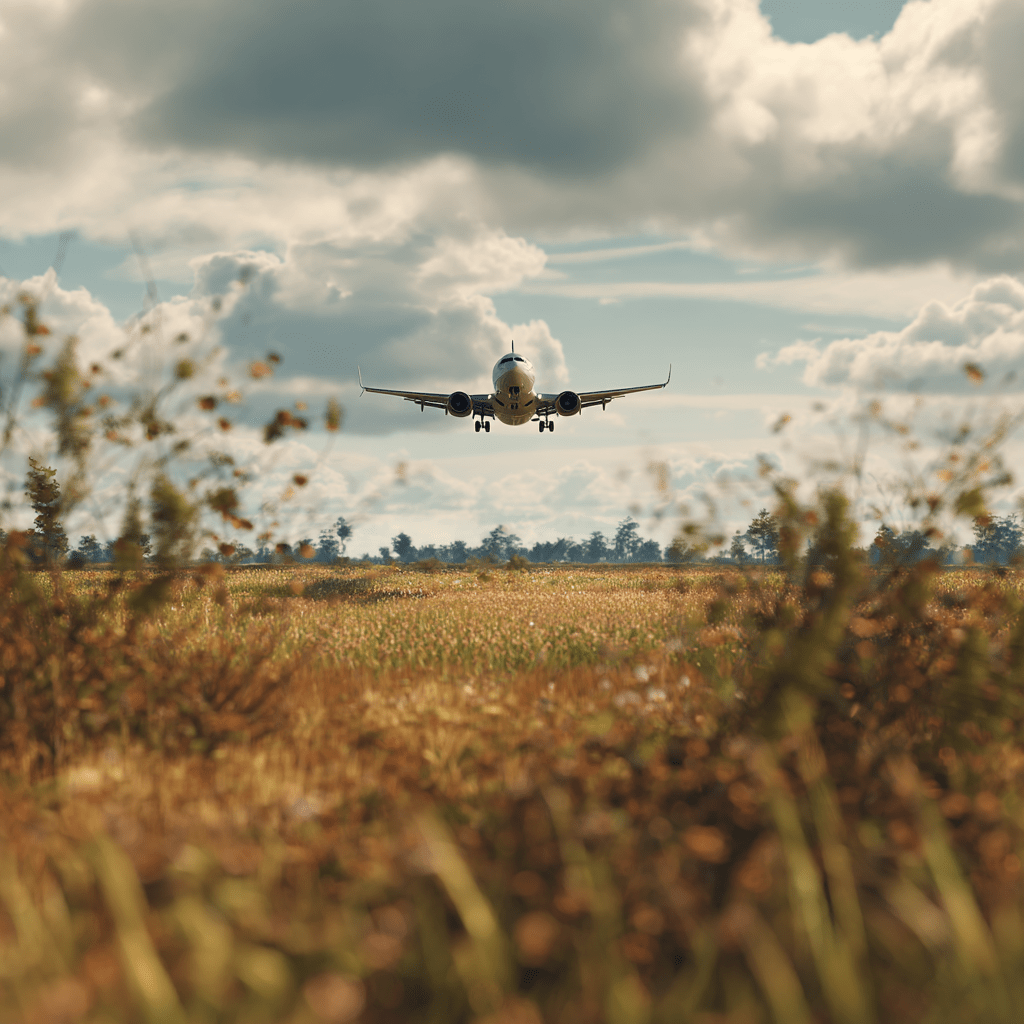
The field is the same field. Or one just like it.
The plane touches down — gear first, then the rest — rolling across the grass with the particular wrongness of a commercial aircraft landing somewhere it absolutely is not supposed to. It stops. The doors open. The hijackers funnel the passengers out in a line, weapons visible now, the leader at the front issuing quiet instructions.
The passengers step down onto the grass, blinking in the noon sun.
And then the sky flashes scarlet.
Beams of glowing energy crackle across the scene — not aimed at the passengers, not at anything critical, just there, sudden and unmistakable, lighting up the open field in pulsing red. Every head turns upward.
Spartan descends from directly above, arms wide, the heat distortion radiating off him in visible waves, and the shadow he casts on the grass is enormous.
The superhero has entered the field.
Boss fight: loading.
One_clap_lights_out.sav
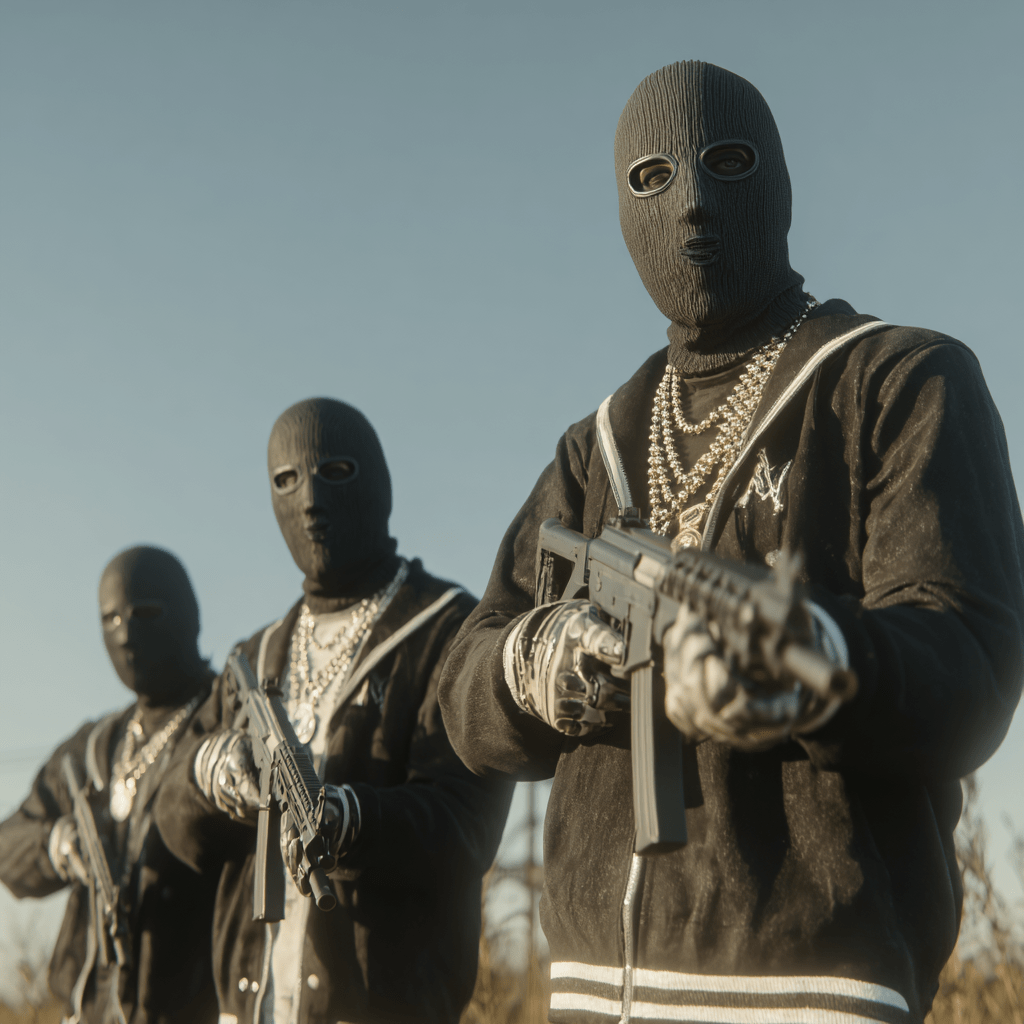
The leader’s voice cracks at the edges. That’s the tell.
“Stay focused! We can handle this!”
They cannot handle this.
I’ve seen enough action sequences — played enough of them, watched enough of them, analyzed the tropes until they’re basically a second language — to know exactly what happens next. The hijackers know it too, somewhere in the part of their brains that’s older than bad decisions. The ones at the edges start shifting their weight. One of them glances at the door. Another tightens his grip on his rifle in a way that means he’s already thinking about dropping it.
The scarlet streak touches down in front of the passenger line.
Time does something strange.
It doesn’t stop — not literally — but Spartan moves at a speed that makes everything else look like it’s standing still. The passengers are frozen mid-flinch. The hijackers, all casual clothes and dark jackets and black ski masks, seem to be operating at a different frame rate than the red-and-maroon blur now moving between them.
Superhuman speed: engaged. Frame rate: hero.
He goes for Hijacker A first — the one on the far left with the Armalite rifle, arms extended, trying to track a target that’s already somewhere else. Spartan comes in low and sharp, one hand driving down hard across the man’s forearm. The strike is precise — not brutal, just surgical — and the rifle drops to the grass with a heavy, final thud. A’s knees buckle. He doesn’t fall. He just stops being a threat.
Hijacker B is already turning when Spartan pivots to face him sideways. There’s a half-second where B probably thinks the angle gives him an advantage.
It doesn’t.
One upper hook. Clean contact to the jaw, snapping B’s head to the side. He’s unconscious before he finishes rotating, and he goes down in a single piece like a statue tipped off its base.
Single-strike knockout. Classic.
Hijacker C on the right tries to back up, which is understandable but tactically useless. Spartan closes the gap in the time it takes C to complete one step backward, and then it’s a controlled barrage — rapid punches to the midsection, each one precise enough to wind without breaking anything. C’s knees give out and he folds forward in stages, like a building being demolished floor by floor.
Three down.
The Leader, his Right Hand, and the remaining elite guards are clustered near the aircraft door, and they’ve had about four seconds to watch their entire operation dismantle itself from left to right. The elite guards peel off first — admirable commitment, genuinely poor timing — and Spartan takes them in a lateral sweep, successive kicks landing across cheekbones with metronomic efficiency. The Right Hand gets a final kick that I’ll describe only as below the belt and not at all ambiguous, and he goes down in a very specific kind of agony.
The Leader is the last one standing.
He’s still wearing his black hood. Both fists raised. Still trying.
Spartan faces him, rolls his neck once, and then raises both hands — palms facing inward — and claps.
It’s a single clap. One clean sound.
The shockwave that comes off it is small — just a compressed burst of air, a little pulse of superheated pressure — but it hits the Leader square in the face and he goes back and down like he’s been shoved by something much larger than a sound. His hood puffs outward on impact. He’s unconscious before he hits the grass.
Silence.
The field holds it for a long moment.
Then the passengers start breathing again — audibly, collectively — one big exhale from thirty-odd people who’d been holding their breath without realizing it. Heads turn toward Spartan, and the expressions cycling across their faces run through the full sequence: shock, disbelief, the dawning recognition that it’s actually over, and finally something warm and relieved and grateful.
Spartan stands in the noon sun, heat still radiating off the maroon armor in slow waves.
Fourteen years old.
Not bad, kid.
 B. K. P. Carreon
Leave a comment