Overview:
| Four-year-old Sophie watches SpongeBob SquarePants. Afterwards, she grabs her trusty crayons and begins to draw. Out on the balcony, her sister Mary lovingly tends to the garden, while their brother Michael shoots hoops in the backyard. On Intramurals Day, the eldest, James, performs with the boy band during the opening number. Later that noon, Michael and the Red Lions face off against the Blue Sharks on the basketball court. |
Sophies_living_room.sav
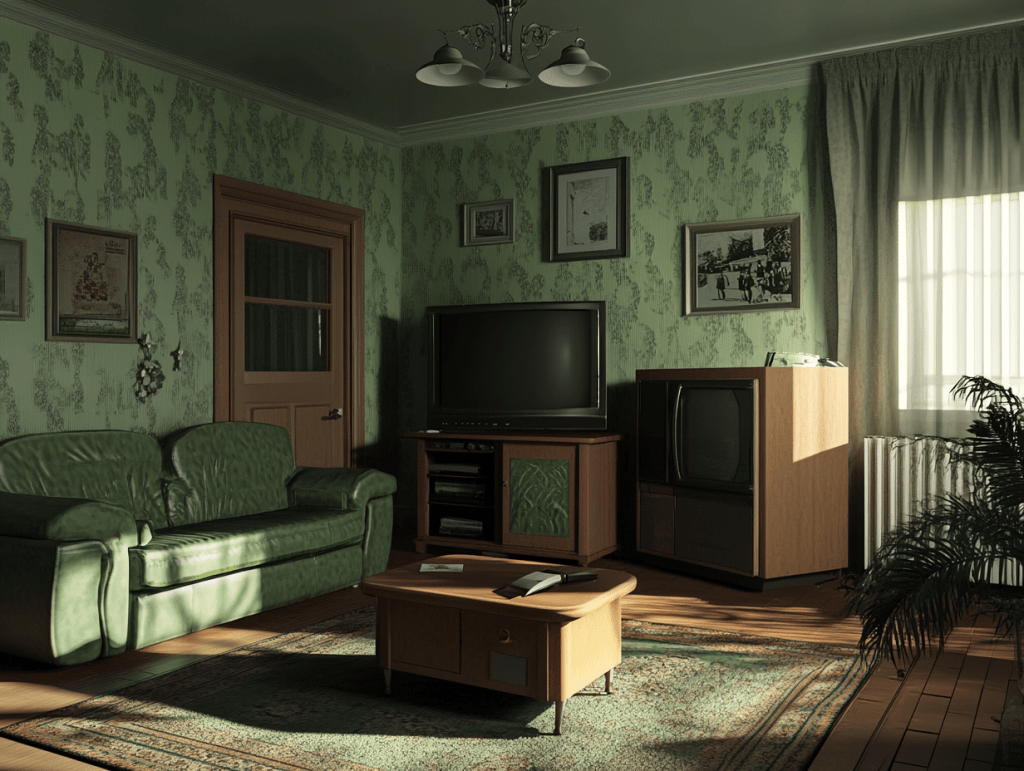
Sophie melts into the worn fabric of the living room sofa like she’s achieved maximum comfort level—that sweet spot gamers hit during a marathon session when the couch becomes an extension of their spine. Her legs curl beneath her, bare toes peeking from under an oversized hoodie that’s probably stolen from someone’s closet. The afternoon light streams through half-closed blinds, casting those cinematic bars of gold across her face as she stares at the TV screen with the kind of focus usually reserved for boss battles.
Classic comfort viewing, I think, watching her unconsciously mouth along with dialogue she’s probably heard a thousand times. There’s something beautifully mundane about this moment—like those slice-of-life anime episodes that seem pointless until you realize they’re building character depth.
The television flickers with Nickelodeon’s signature orange logo before diving into the underwater world of Bikini Bottom. SpongeBob SquarePants fills the screen in all his porous, yellow glory—a character design so iconic it’s basically the Mickey Mouse of the 2000s generation. His square pants remain perpetually crisp despite living underwater, because cartoon logic trumps physics every time.
“I tell you, Gary, there’s nothing better on a sunny day than a brisk walk,” SpongeBob chirps to his pet snail, his voice carrying that eternal optimism that would be insufferable in real life but somehow works in animation.
Sophie’s lips quirk upward at the familiar line. Her fingers absently play with the drawstring of her hoodie, twisting it around her index finger—a nervous habit I’ve catalogued along with her tendency to tap her foot during tense movie scenes. She’s the type who gets invested in fictional characters’ wellbeing, even when she’s seen the episode dozens of times before.
On screen, Gary—a meowing snail who’s basically SpongeBob’s version of a loyal dog—suddenly stops his leisurely crawl along the sandy street. The pet-owner dynamic between them hits that perfect note of wholesome that modern cartoons struggle to recapture. It’s all about the subtlety; Gary doesn’t need dialogue to communicate distress.
“What’s the matter, pal? Walk too fast for you?” SpongeBob asks, tilting his square head with genuine concern.
Here comes the plot hook, I muse, recognizing the story beats. This is where the episode shifts from slice-of-life to adventure mode—the classic “animal leads hero to danger” trope that’s been around since Lassie was saving kids from wells.
Gary performs a sharp U-turn, dragging SpongeBob behind him like a reluctant sled. The yellow sponge bounces along the ocean floor, still clutching the leash with that trademark determination. His sneakers—because apparently underwater creatures need footwear—leave little puffs of sand in their wake.
Sophie leans forward slightly, her attention sharpening. Even though she knows what’s coming, she’s still engaged. That’s the mark of good storytelling—rewatchability without boredom.
“Where is it, boy? Is someone in danger?” SpongeBob pants, his voice carrying that hero-complex urgency that defines his character. He’s basically Superman with a spatula, always ready to save the day even when nobody asked him to.
The camera reveals Gary’s discovery: a withered old snail cowering behind a barnacle-encrusted rock. The creature’s shell is cracked and faded, eyes clouded with age—visual shorthand for “needs help” that even kids can decode instantly.
“Uh, come here, little fella. I won’t hurt you,” SpongeBob coos, extending one four-fingered hand with the gentleness of someone who’s never met a problem he couldn’t solve with kindness.
Sophie’s expression softens at the scene, her guard dropping in that unconscious way people do when they think nobody’s watching. It’s moments like these that remind me why I find her so fascinating—she’s got this capacity for empathy that extends even to animated sea creatures.
And there’s the hook, I think, watching both Sophie and SpongeBob prepare to embark on whatever adventure this random encounter will spark.
Sophies_art_session.sav
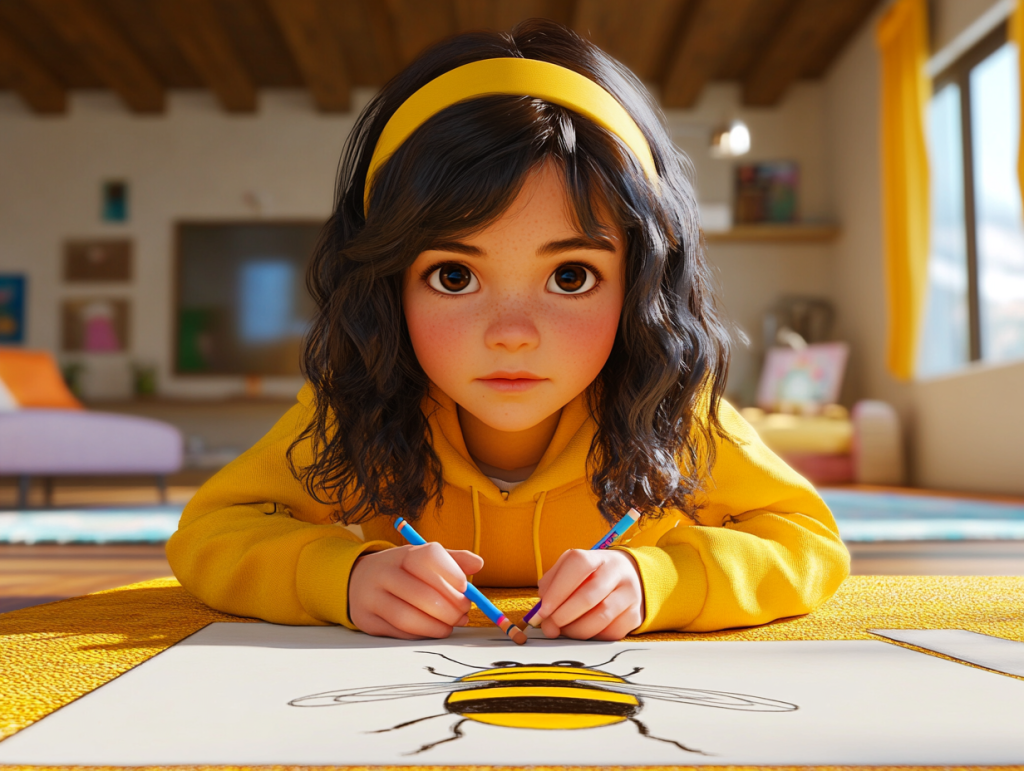
The SpongeBob credits roll across the screen like the end of a gaming session—that bittersweet moment when you’ve cleared a level but aren’t ready to stop playing. Sophie doesn’t even glance at the TV as it transitions to some pharmaceutical commercial promising to cure ailments I can’t pronounce. She’s already moved on to her next quest: analog entertainment in the form of a Winnie the Pooh coloring book.
From underwater chaos to Hundred Acre Wood, I observe, noting how seamlessly kids transition between fictional universes. Adults lose that ability somewhere between paying taxes and worrying about mortgage rates.
Sophie sits cross-legged on the hardwood floor now, the coffee table transformed into her creative workstation. Her small fingers grip a burnt orange crayon with the focused intensity of a surgeon performing microsurgery—or a speedrunner attempting a pixel-perfect jump. The coloring book lies open to a page featuring Pooh Bear in his classic red shirt, looking perpetually content in that way only cartoon characters achieve.
Sophia “Sophie” Macatangay Pangilinan. Four years old. The kind of kid who still believes in magic because nobody’s taught her it doesn’t exist yet. Her shoulder-length black hair catches the afternoon light streaming through the window, waves that remind me of those physics simulations in high-end graphics engines—natural movement that programmers spend years trying to replicate digitally. A bright yellow headband sits like a crown across the top of her head, the color matching her current artistic tool.
Her eyes are the kind of brown that seem to reflect light rather than absorb it—big and expressive in a way that makes you think she’s processing more than she lets on. Classic protagonist material, if this were an anime. Light skin speaks to mixed Filipino heritage. Genetics are basically biological RNG, I think, watching how her features blend different ancestries into something uniquely her own.
She finishes coloring Pooh’s iconic red shirt with methodical precision, staying within the lines with the dedication of someone completing a 100% achievement run. No rushing, no shortcuts—just pure focus on the task at hand. It’s almost meditative watching her work, like those satisfying video compilations that loop endlessly on social media.
“Done!” Sophie announces to nobody in particular, holding up the page to examine her handiwork. Pooh Bear now sports his properly colored red shirt and honey-golden fur, looking ready to embark on another “thinking spot” adventure.
Inspiration strikes, I note, as Sophie’s eyes light up with that spark of creative connection. She grabs a fresh sheet of paper from the stack beside her coloring book and starts sketching. The honey jar emerges first—a simple cylinder topped with a dome, but recognizable enough. She adds horizontal lines to suggest the wooden honey dipper, then colors the whole thing golden yellow.
“For Pooh,” she explains to her imaginary audience, because four-year-olds haven’t learned the social convention of keeping thoughts internal yet.
The completed honey jar gets carefully set aside, joining the growing gallery of her afternoon’s artistic output. Her workspace resembles a miniature animation studio—scattered crayons, finished pieces, works in progress. It’s controlled chaos, the kind that screams “creative genius at work.”
Sophie reaches for a black crayon next, her attention shifting to the center of a fresh sheet. The bee takes shape under her guidance: two antennae sprouting from a circular head, a simple smile that somehow conveys pure joy, stick arms extending from an oval body. Wings appear as translucent ovals—she draws the outlines but leaves them mostly uncolored, understanding instinctively that bee wings should look see-through.
She’s got the fundamentals down, I realize, watching her add tiny legs to complete the insect’s anatomy. But here’s where it gets interesting—Sophie adds a small bow to the bee’s head, transforming a generic insect into a character with personality. It’s a detail that speaks to her understanding of visual storytelling, even if she doesn’t realize that’s what she’s doing.
The coloring process begins: black stripes across the body, careful attention to the antennae and legs. Then comes the yellow crayon, filling in the spaces between stripes with sunny brightness. The finished bee looks like it could buzz right off the page and join Pooh for a honey-hunting expedition.
Classic complementary character design, I think, appreciating how her bee could seamlessly fit into the Hundred Acre Wood universe. She’s unconsciously creating franchise-appropriate content—the kind of instinctive world-building that professional animators study for years to master.
Marys_garden_sanctuary.sav
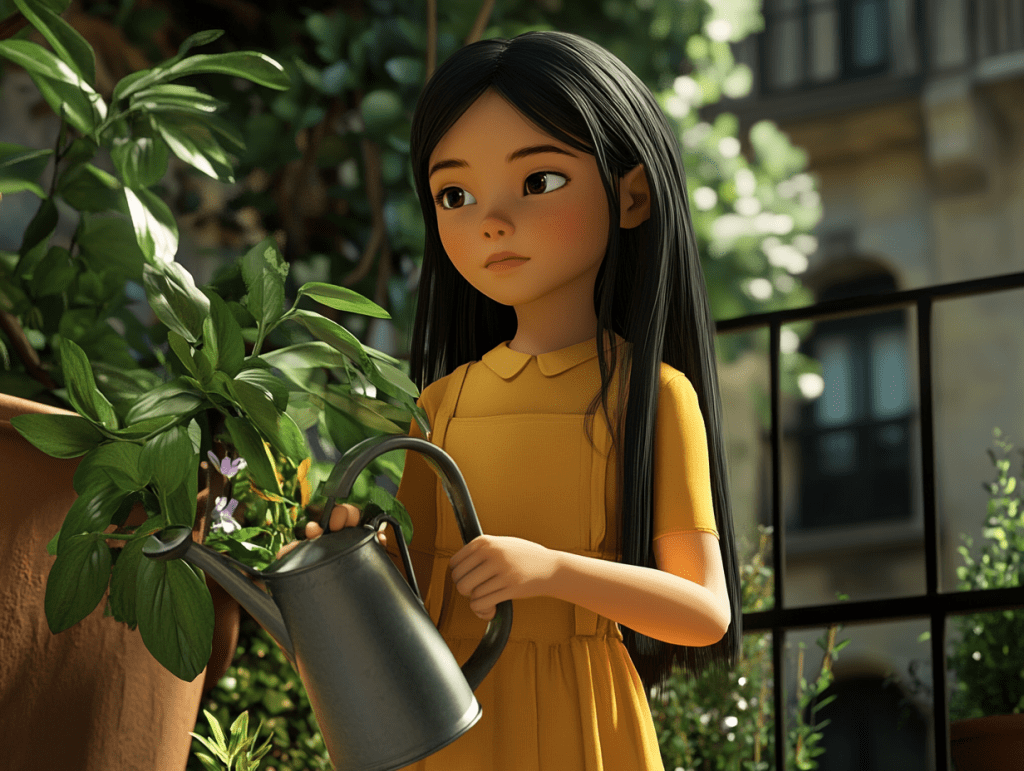
The balcony stretches above like a suspended biome from No Man’s Sky—this carefully curated ecosystem floating between earth and sky. Morning light slants through the gaps in the apartment complex across the street, casting geometric shadows that shift like a screensaver across the collection of potted plants. It’s like someone took a greenhouse level from Stardew Valley and made it real.
Mary emerges onto the balcony carrying a mint-green watering can that’s seen better days—plastic faded from countless UV cycles, but still functional. Form follows function, I think, appreciating tools that prioritize utility over aesthetics. She moves with the purposeful grace of someone following a well-established routine, like an NPC executing their daily programming.
Mary Jane Macatangay Pangilinan. Sophie’s older sister by maybe two years, though she carries herself with the confidence of someone who’s figured out her role in the family ecosystem. Her long black hair flows past her shoulders in straight lines that would make anime artists weep with envy—no flyaways, no tangles, just perfect strands that catch the light like fiber optic cables. Dark brown eyes scan her green kingdom with the focus of a botanist cataloging specimens.
She’s got that Martha resemblance locked down, I note, comparing her features to her mother’s. Same bone structure, same thoughtful expression, but where Martha keeps her hair in practical ponytails, Mary lets hers flow free. It’s a small rebellion—choosing aesthetics over convenience in that way teenagers do when they’re testing boundaries.
Her fair skin complements with Sophie’s fair complexion, genetics playing favorites with melanin distribution. Average height and build for her age, but there’s something about the way she moves among her plants that suggests hidden depths. This isn’t just casual gardening—this is cultivation with a capital C.
The balcony hosts an impressive collection that would make any plant parent jealous. Aloe Vera sits in terracotta pots like green starfish frozen mid-gesture. Lucky Bamboo stalks twist upward in glass containers, their roots visible through clear walls like some kind of biological art installation. Begonias bloom in coral and pink clusters that remind me of those procedurally generated flowers in exploration games.
Snake Plants stand at attention like green-and-yellow striped sentinels, their thick leaves cutting sharp angles against the softer curves of the Heartleaf Philodendron. A Fiddle-leaf Fig dominates one corner, its broad leaves spreading like green umbrellas, while Peace Lilies display their white spathes like surrender flags in the plant kingdom’s endless territorial wars.
Pothos vines cascade from hanging planters, creating natural curtains that filter the harsh morning sun. Jade Plants cluster in smaller pots like green coral formations, their succulent leaves storing water like biological batteries. Bromeliads add tropical flair with their colorful centers—nature’s way of showing off.
“Olivia, Liam, Emma, Noah, and Charlotte, grow healthy and well,” Mary says to her plants, her voice carrying that gentle tone reserved for things you actually care about.
She’s named them. Of course she has. It’s the classic anthropomorphization protocol—humans assigning personalities to non-sentient entities because we’re hardwired to form connections. Every pet owner, every kid with stuffed animals, every gamer who names their Pokémon. Mary’s just applying the same emotional investment to her botanical friends.
She begins watering the front row, the can tilting with practiced precision. Water streams out in controlled arcs, hitting soil without splashing leaves—technique that speaks to experience. Her movements flow like a ritual, each plant receiving exactly the right amount of attention.
A happy tune emerges from her lips, something wordless and melodic that drifts on the morning air like ambient music in a peaceful game level. It’s not performance—nobody’s watching, or so she thinks. This is pure expression, the kind of unconscious joy that happens when someone’s doing exactly what they love.
The theory about talking to plants improving growth is actually legit, I recall from some science documentary I binged during a late-night Wikipedia spiral. The carbon dioxide from human breath, the vibrations from speech—there’s actual data supporting Mary’s methodology. She’s inadvertently running a controlled experiment in botanical optimization.
Smart kid, I think, watching her work. Very smart kid.
Michaels_basketball_session.sav
The backyard transforms into Michael’s personal training ground, complete with a regulation-height basketball hoop that’s seen more action than a Street Fighter tournament. The metal rim bears the battle scars of countless shots—paint chipped from aggressive dunking attempts, net frayed from years of swishing baskets. It’s the kind of setup every suburban kid dreams of having.
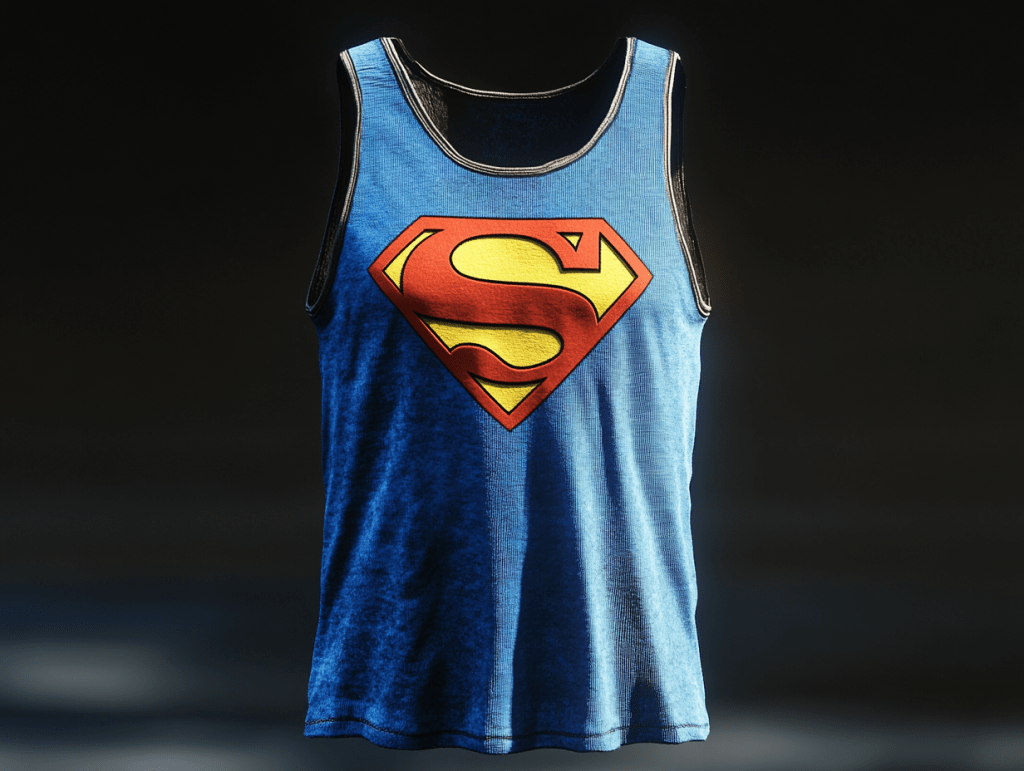
Michael stands at the free-throw line wearing a blue tank top that screams his allegiances to anyone with functioning eyeballs. The Superman emblem stretches across his chest in classic red and yellow—not some knockoff design, but the real deal that would make Clark Kent proud. Smart choice, I think, appreciating how he’s channeling superhero energy for his workout. The psychological boost from power symbols is scientifically documented, though most people don’t realize they’re basically cosplaying their way to better performance.
He bounces the orange sphere against concrete with the rhythmic precision of a metronome, each dribble echoing off the house walls like a hip-hop beat. His form’s decent—not NBA material, but solid fundamentals that suggest actual coaching rather than playground improvisation. The ball kisses his fingertips before arcing toward the hoop in a perfect parabola that would make physics teachers weep.
Swish. Nothing but net.
“Classic opener,” I mutter, watching him retrieve the ball with the confidence of someone who’s hit that shot a thousand times before. But here’s where it gets interesting—instead of celebrating the easy money, Michael steps back. Way back. Like, NBA 2K three-point contest distance.
The between-the-legs dribble comes next, a move that separates the wannabes from the ballers. His hand guides the ball through his stance with fluid control, no hesitation, no fumbling. It’s muscle memory territory—the kind of skill that only develops through obsessive repetition. Respect, I think, recognizing the hours of practice compressed into that single fluid motion.
The shot release looks identical to his first attempt: same arc, same rotation, same follow-through that freezes his wrist in perfect form. The ball traces another physics-defying curve before dropping through the rim with that satisfying thunk of leather meeting metal.
“Yes! I did it!” Michael’s victory celebration hits peak anime protagonist energy—right fist pumping skyward while his left clenches tight against his torso. It’s pure, unfiltered joy, the kind that happens when skill meets opportunity and everything clicks into place. No audience needed, no social media validation required. Just a kid and his hoop, living his best Superman moment.
Sweat glistens across his forehead like he’s been grinding through a boss fight, evidence of legitimate effort rather than casual shooting around. The towel he grabs from the nearby table is already damp from previous sessions—this isn’t his first ordeal today. Practical white terry cloth, function over fashion.
The bottled water disappears in long gulps as he collapses into a rusted white metal chair that’s probably older than both of us combined. The metal frame creaks under his weight, but holds steady—garden furniture built when they actually made things to last. He drinks like someone who’s earned their hydration, understanding the basic mechanics of athletic recovery even if he doesn’t know the science behind electrolyte replacement.
Kid’s got dedication, I conclude, watching him prepare for whatever comes next in his solo training montage.
Our_lady_of_lourdes_intramurals_opening.sav
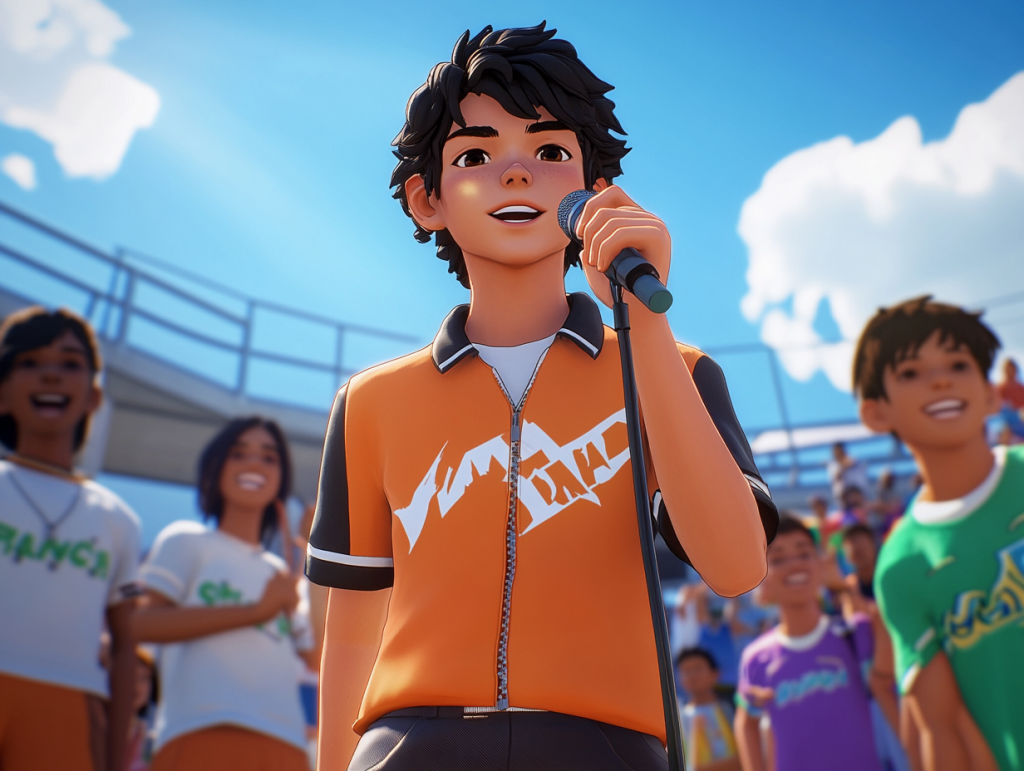
Two weeks have crawled by since the last normal day—fourteen rotations of mundane classes, homework assignments, and cafeteria food that tastes like it was algorithmically designed to be as bland as possible. But today breaks the pattern like a season finale cliffhanger. Today is Intramurals, and the entire school transforms into something resembling organized chaos.
The quadrangle buzzes with pre-event energy that reminds me of convention crowds waiting for the keynote speaker. Students cluster in their respective year levels, uniforms replaced by house colors that turn the concrete courtyard into a living mosaic. Red, blue, green, and yellow jerseys create distinct tribal boundaries—Hunger Games vibes, but with less dystopian murder and more teenage drama.
Morning sunlight slants through the covered walkways, casting geometric shadows across the assembled student body. The air carries that specific Filipino morning freshness—cool enough to be comfortable, warm enough to promise scorching heat by noon. Palm trees frame the scene like stage curtains, their fronds rustling in the breeze with the consistency of white noise generators.
Mr. Carrasco, head of the Intrams committee, approaches the microphone setup with the practiced confidence of someone who’s done this routine countless times before. His polo shirt bears the telltale wrinkles of early morning preparation, sleeves rolled up to suggest hands-on leadership. The PA system crackles to life with that familiar electronic whine that makes everyone unconsciously wince.
“Let’s welcome Principal Gomez to the stage with a warm round of applause,” he announces, his voice carrying across the quadrangle with crystal clarity that the school’s ancient sound system has no right to produce.
The applause rises like a wave—clap, clap, clap, clap—mechanical but enthusiastic enough to suggest genuine school spirit rather than forced compliance. Principal Gomez emerges from the administrative building wearing his trademark navy blazer and that diplomatic smile perfected by decades of addressing hormone-addled teenagers.
“I formally welcome you, Lourdesians, to Our Lady of Lourdes School Intramural Sports,” he begins, his voice carrying the authority of someone accustomed to commanding attention from crowds. “Over the next three days, we will have different sports and activities. This is your time to have fun, enjoy with your friends, and compete. I expect camaraderie and sportsmanship from all. Thank you.”
Classic opening ceremony dialogue, I think, appreciating how he hits all the expected beats—welcome, schedule preview, behavioral expectations, graceful exit. It’s like listening to NPC dialogue that’s been perfectly scripted for maximum crowd engagement with minimal controversy.
“Thank you, Principal Gomez,” Mr. Carrasco.
“Now, brace yourselves for the performance of Kaleidoscope!” The host’s energy is in hype-man territory as he introduces the main event.
The crowd erupts with genuine excitement—this isn’t polite academic applause anymore, but full-throated teenage enthusiasm. Girls scream with the fervor usually reserved for K-pop concerts, while guys try to look cool while obviously being impressed. It’s that beautiful moment when school events transcend obligation and become actual entertainment.
Then I see him.
Jameson “James” Macatangay Pangilinan steps onto the makeshift stage like he was born for this moment. Fourteen years old, but carrying himself with the confidence of someone who’s figured out his place in the social ecosystem. His short, wavy black hair catches the morning light in ways that probably took twenty minutes of bathroom mirror optimization to achieve. Dark brown eyes scan the crowd with performer’s awareness—not nervous, but calculating audience engagement like a seasoned pro.
His tan skin suggests someone close to ‘tall, dark and handsome’ and glued to screens, though the lean build screams “toned and looking good” rather than “gym rat.” Fairly tall for his age, which gives him natural stage presence that shorter performers have to work twice as hard to project.
“Oppaaaaa!!!” The scream cuts through the morning air like a banshee with attachment issues. Some girl in the sophomore section completely loses her composure, hands pressed against her cheeks in classic K-drama fan pose. The Korean look phenomenon strikes again, I observe, noting how James’ features hit that perfect sweet spot between Filipino and East Asian aesthetics that drives teenage girls absolutely feral.
The band arranges themselves across the stage with practiced efficiency. Kai settles behind the keyboard setup—a Yamaha PSR that’s probably older than most of the audience but still produces respectable sound. Rowan takes position behind a drum kit that’s seen better decades, sticks twirling in that casual display of coordination that screams “I’ve been doing this since elementary school.”
Apollo and Ezra strap on their guitars—matching Stratocaster knockoffs that probably came from the same music store package deal. The instruments gleam under stage lights with the kind of careful maintenance that suggests these boys actually care about their craft rather than just trying to look cool.
James grabs the microphone stand with natural ease, adjusting the height with the unconscious competence of someone who’s done this a thousand times in bedroom practice sessions. His grin radiates pure joy—not the forced smile of someone going through motions, but genuine excitement about sharing music with an audience.
The opening chords ring out across the quadrangle, and I recognize the progression immediately. “Fruitcake” by Eraserheads. Holy shit, they’re going deep into the Filipino rock archives for this one.
“There’s a fruitcake for everybody…” James’ voice carries across the courtyard with surprising power and pitch accuracy. The kid can actually sing—not just karaoke-level competent, but legitimately good. His vocal tone captures that perfect balance between Ely Buendia’s distinctive style and his own natural timbre.
The teachers lose their collective minds. I watch as faculty members who usually maintain professional distance start swaying to the rhythm, some actually singing along with lyrics they probably haven’t heard in decades. It’s like watching a generational bridge form in real time—90s kids turned educators connecting with current students through shared musical DNA.
Strategic song choice, I realize, appreciating the tactical brilliance. By picking an Eraserheads classic, James isn’t just performing—he’s creating a nostalgic feedback loop that transforms the entire audience into willing participants rather than passive observers.
Smart kid. Very smart kid.
Basketball_championship_match.sav
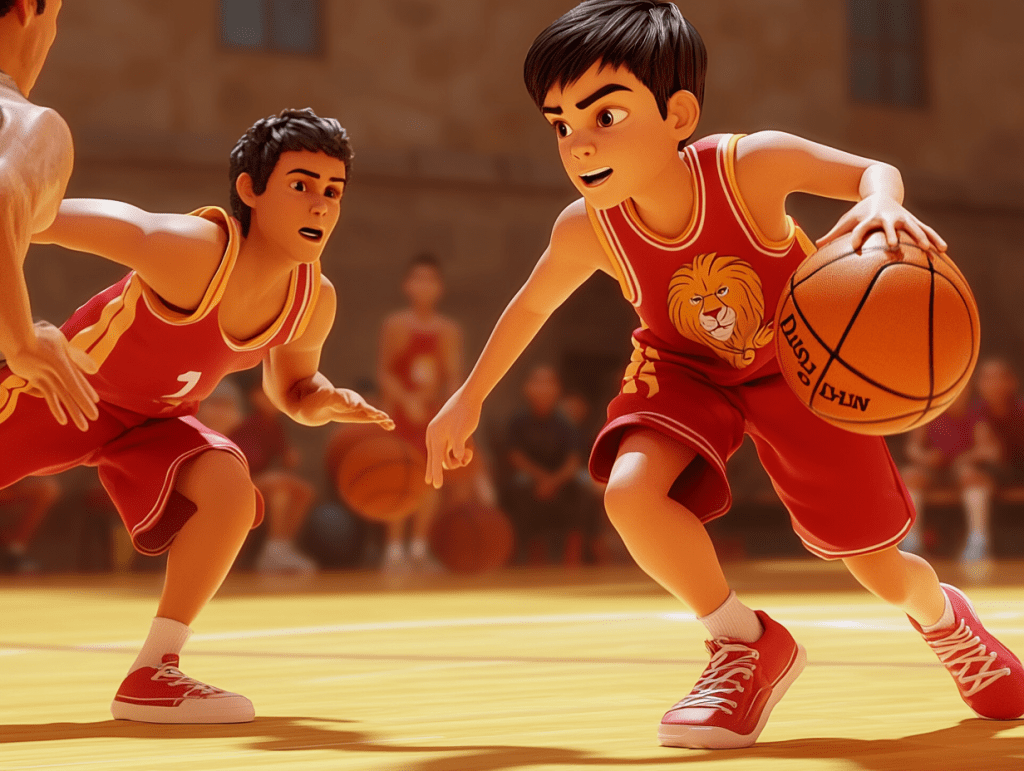
The afternoon sun streams through the gymnasium’s high windows like stage lighting in a sports anime, casting long rectangles of gold across the polished court. The air thrums with that electric pre-game energy that transforms ordinary school spaces into gladiatorial arenas. Sneakers squeak against hardwood in warm-up drills while the bleachers fill with chattering students who’ve come for live entertainment.
“Red Lions from Section St. Peter and Blue Sharks from Section St. Paul,” the coach bellows through his whistle-scarred voice, clipboard clutched like a sacred text. His polo shirt bears the sweat stains of someone who’s been hustling between multiple matches all day, but his enthusiasm remains undiminished. Classic coach energy, I observe—the kind of adult who never quite outgrew the thrill of competitive sports.
The teams emerge from opposite sides of the gym like opposing armies in a medieval siege. Red Lions sport crimson jerseys that gleam under fluorescent lights, each player’s surname and number emblazoned across their backs in bold white lettering. Their formation speaks to practiced coordination—not just random kids thrown together, but a unit that’s spent serious time drilling plays and building chemistry.
Blue Sharks counter in navy jerseys that absorb light rather than reflecting it, creating visual contrast that makes the court look like a color-coded battlefield. The designers knew what they were doing with these team aesthetics—red for aggression and energy, blue for calm professionalism. Psychological warfare through uniform selection, I think, appreciating the subtle mind games embedded in youth sports.
Then Michael takes the court, and the entire dynamic shifts.
Michael Macatangay Pangilinan moves like someone who’s internalized basketball mechanics at a cellular level. Eleven years old, but carrying himself with the confidence of someone twice his age. His short, straight black hair stays perfectly positioned despite the humidity—either superior genetics or strategic hair product application. Dark brown eyes scan the court with predatory focus, cataloging defensive positions and potential weaknesses.
His tan skin glistens with that light sheen of pre-game preparation sweat, evidence of proper warm-up rather than nervous perspiration. The kid’s athletically toned in ways that suggest actual training rather than casual playground pickup games. Fairly tall for his age bracket, which gives him natural advantages in reach and court vision that shorter players spend years learning to compensate for.
Sharp features, I note, understanding his self-deprecating jokes about his appearance. Angular jawline, defined cheekbones—the kind of bone structure that probably makes him look older than his actual age. Combined with his natural athletic presence, it creates what people call ‘bad boy’ energy. Not malicious, just that edge that suggests someone who doesn’t back down from challenges.
The opening tip-off sends the ball skyward like a prayer to the basketball gods. Michael immediately shifts into motion, his movements flowing with the fluid precision of someone who’s watched countless hours of professional gameplay and absorbed the fundamentals through obsessive practice. He dribbles with his fingertips rather than his palms—proper technique that keeps the ball low and protected.
“Pass the ball to me!” Michael’s voice cuts through the gymnasium noise with authority that makes his teammates instinctively look in his direction. It’s not pleading or demanding—just confident communication from someone who’s earned the right to call plays. The kid’s on fire, and everyone in the building can feel it.
Zone state activated, I think, recognizing that psychological sweet spot where skill meets opportunity and everything becomes automatic. Michael weaves through Blue Shark defenders like he’s running predetermined algorithms, each step calculated to maximize efficiency while minimizing exposure to steals.
The opposing defense converges on him like antibodies targeting an infection. A Blue Shark player steps directly into his path—bigger kid, probably their designated enforcer. The classic David versus Goliath setup that defines underdog sports narratives from The Karate Kid to Space Jam.
Michael protects the ball with his body, using leverage and positioning instead of raw strength. His dribble stays tight against his hip while he pivots to keep the defender on his back foot. When the opening appears—that split-second gap in defensive positioning—he explodes toward the basket with the acceleration of someone who’s spent countless hours perfecting first-step quickness.
The shot goes up in perfect arc, leather spinning through air with that distinctive whisper of a well-struck ball. The gymnasium holds its collective breath for that eternal moment between release and resolution.
Swish.
The Red Lions section erupts like a convention crowd witnessing a surprise announcement. Students shake red pom-poms with religious fervor while others thrust handmade placards skyward—lion heads on crimson backgrounds with “Red Lions” lettered in bold strokes that suggest hours of careful arts-and-crafts preparation.
The gym buzzes with that pure excitement unique to elementary school sports, where every basket carries the weight of world championships and every victory feels like conquering kingdoms. Boys who usually maintain carefully cultivated cool facades abandon all pretense to celebrate their classmate’s athletic heroics.
This is peak school spirit, I realize, watching genuine joy radiate through the crowd. No cynicism, no calculated social positioning—just pure appreciation for someone doing something extraordinary.
When the final buzzer sounds and Red Lions claim victory, Michael’s teammates mob him with congratulations that border on hero worship. Sweaty high-fives and shoulder pats from kids who understand they’ve witnessed something special. The kind of performance that becomes legend in hallway conversations and gets retold at class reunions decades later.
Future varsity captain material, I conclude, watching Michael accept praise as someone who’s learned to overcome pressure albeit with bit of ego.
Strong kid. Very strong kid.


Leave a Reply