Overview:
| The Sevillas are an affluent family based in the Makati Central Business District. Enrico, the father, is a hedge fund manager who caters to VIP clients. Thalia, the mother, runs her own beauty salon. Their daughter, Allison, occasionally books modeling gigs and enjoys the spotlight. The family employs an all-around maid named Morissette, who also serves as Thalia’s assistant and acts as Allison’s chaperone. Allison, a spirited and sassy girl, is an avid fan of magical girl anime. On their free days, the Sevillas usually go shopping. Meanwhile, Selena—currently living in the United States—keeps in touch with the grandparents through regular Skype video calls. |
The_wolf_of_makati_street.sav

May arrives like a software update nobody asked for—inevitable and slightly annoying. The Morris-Scott Financial Group building pierces the Makati CBD skyline like a glass-and-steel lightsaber, all forty floors of corporate ambition gleaming under the Philippine sun. It’s the kind of monolithic structure that screams “we have your money and we’re not giving it back” in architectural form.
Inside this temple of capitalism, Enrico Mercado Sevilla hunches over his workstation like a data miner in EVE Online, eyes locked onto multiple monitors displaying stock market patterns that dance across his screens in hypnotic waves of green and red. The guy’s practically merged with his ergonomic chair at this point—peak cyberpunk aesthetic, minus the cool neon implants.
Knock, knock, knock.
The rhythm breaks his concentration. Classic NPC behavior—always interrupting at the worst possible moment. His secretary materializes in the doorway, a professional ghost in business attire who probably practices that perfectly neutral expression in the mirror every morning.
“Come in,” Enrico says, not bothering to look up from his digital crystal ball.
She glides forward with practiced efficiency. “Mr. Anderson is here to inquire.”
Anderson. Even the name sounds like it was generated by a random American expat name generator. Enrico nods, filing away the information while his fingers continue their keyboard ballet across the trading interface.
Moments tick by—the kind of pregnant pause you get in dialogue-heavy RPGs right before an important character reveal. Then the man himself enters: a walking stereotype of American business success abroad. Mid-to-late fifties, silver hair perfectly styled, wearing confidence like an expensive cologne. He’s got that whole “I’ve conquered emerging markets and lived to tell about it” vibe down to a science.
The nameplate on Enrico’s desk catches the fluorescent light: “Mr. Enrico Mercado Sevilla – Hedge Fund Manager.” It’s like a boss title card in a financial simulation game, except the stakes are real people’s retirement funds.
Enrico finally tears his gaze away from the monitors to study his visitor. The Filipino hedge fund manager cuts an impressive figure himself—early forties, built like he actually uses that expensive gym membership instead of just posting about it on social media. His black hair is styled with the kind of precision that suggests a morning routine involving more products than most people’s entire bathroom cabinet. Dark brown eyes sharp enough to spot market inefficiencies from three fiscal quarters away. The beard frames his face with calculated casualness—not quite hipster, not quite executive, landing somewhere in the sweet spot of “trustworthy but edgy.”
His tan skin suggests someone who occasionally remembers there’s a world outside air-conditioned offices, though probably only during mandatory company retreats. The muscular dad bod speaks to a man who lifted weights religiously in his twenties and now maintains just enough definition to fill out his tailored suits properly. And those suits—dark gray and black numbers that probably cost more than most people’s monthly rent. He wears money like armor.
“I’m here to invest in hedge funds,” Anderson announces, cutting straight to the digital chase with all the subtlety of a Call of Duty cutscene. “I want to make the most of my savings from my businesses.”
Businesses. The word hits Enrico’s ears like the satisfying cha-ching of a successful trade execution. Now this is my kind of man, he thinks, allowing a smirk to play across his features like he’s just unlocked a rare achievement.
The smirk transforms into something more calculated—part genuine enthusiasm, part sales presentation, all predator recognizing prey. It’s the kind of expression that would make Gordon Gekko proud, if Gordon Gekko had been Filipino and operating in Southeast Asia’s financial playground.
“Well, Mr. Anderson,” Enrico says, leaning back in his chair with the fluid confidence of someone who’s closed deals bigger than small countries’ GDP, “you’ve made the right choice with Morris-Scott Financial Group.”
He gestures expansively at the office around them—floor-to-ceiling windows offering a commanding view of Makati’s urban jungle, walls lined with certificates and awards that scream credibility, multiple monitors still flickering with real-time market data like some kind of financial command center. The whole setup designed to inspire confidence and maybe just a little intimidation.
“The hedge fund department is a haven for private investors like yourself,” he continues, voice smooth as aged whiskey and twice as intoxicating. It’s a line he’s delivered a thousand times, but he sells it like it’s the first—like he’s sharing some insider secret instead of standard industry marketing speak.
Anderson shifts forward, interest clearly piqued. The body language screams “serious money looking for serious returns”—exactly the kind of fish every fund manager dreams of landing.
Enrico leans forward too, creating that intimate business conspiracy atmosphere that closes deals. His dark eyes glitter with the promise of mutual profit, and when he speaks again, his voice carries the weight of someone who’s turned market volatility into personal fortune.
“So, shall we start?” The question emerges paired with what can only be described as a beguiling smile—part invitation, part challenge, all confidence. It’s the smile of someone who knows exactly how this conversation ends: with signatures on contracts and money changing hands in very favorable directions.
The monitors continue their silent dance of numbers and graphs behind him, the city sprawls endlessly beyond the windows, and somewhere in this forty-floor tower of ambition, another deal is about to be born.
The_pink_palace_of_transformation.sav

Queen Thalia Salon blazes across Makati’s CBD like a Pepto-Bismol fever dream, its hot pink facade practically screaming “LOOK AT ME” to every corporate drone shuffling past in their monochrome suits. The whole establishment looks like someone took a Barbie movie set and dropped it into the middle of Southeast Asia’s financial district—which, honestly, is either genius-level marketing or complete madness. Maybe both.
Through floor-to-ceiling windows that would make any Cyberpunk 2077 storefront jealous, the salon’s interior unfolds like a shrine to feminine empowerment wrapped in millennial pink aesthetic. But the real showstopper? That massive portrait dominating the back wall like some kind of beauty industry propaganda poster.
The woman in the picture stares out with the confidence of someone who’s conquered the world one makeover at a time. Thirty-five and owning it—that sweet spot where youth meets wisdom, where mistakes have been made and lessons learned. Her wavy brown hair cascades past her shoulders in perfect salon-advertisement waves, the kind that probably took three hours and half a bottle of product to achieve but looks effortlessly natural. Light brown eyes hold that “I’ve-seen-some-stuff-but-I’m-still-optimistic” gleam that middle-aged entrepreneurs perfect after surviving their first business quarter.
She’s got that slightly plump softness that comes with age and comfort—the kind of figure that says “I eat real food and don’t survive on kale smoothies and self-loathing.” Tall enough to command respect without needing heels, though she probably wears them anyway because confidence is a choice, not an accident.
The polished wooden frame beneath bears the inscription like a royal decree: “Nathalia ‘Thalia’ Pangilinan Sevilla – Owner/Manager/Senior Image Stylist.” Three titles that basically translate to “I do everything around here and don’t you forget it.”
And there she is in the flesh—the queen herself, scissors dancing through Mrs. Sanchez’s black-dyed hair with the precision of a Fruit Ninja master. Thalia moves with practiced efficiency, each snip calculated and confident. Her hands work steadily while she maintains that customer service smile that’s equal parts genuine warmth and professional necessity.
Mrs. Sanchez sits enthroned in one of those salon chairs that look like they belong on a spaceship—all chrome and adjustable angles, probably more technologically advanced than half the computers in nearby offices. She’s one of those well-maintained Filipino matriarchs who’ve perfected the art of looking effortlessly elegant while probably running three different family businesses and keeping five grandchildren in line.
“You’re working hard, Thalia,” Mrs. Sanchez observes, her voice carrying that particular tone older women use when they’re about to dispense life wisdom whether you want it or not.
Thalia’s reflection catches in the mirror—focused, professional, but with something deeper flickering behind her eyes. Pride, maybe. Or determination. Probably both. “Of course, Mrs. Sanchez,” she replies, and there’s something in her voice that makes it sound less like customer service and more like a mission statement. “My dear husband Enrico provided the capital for this salon. I owe it to my love to make sure this business prospers.”
Enrico. The name drops like a plot point in a romance novel—the mysterious benefactor, the supportive husband, the guy who probably shows up in expensive suits and makes all the other salon customers fan themselves dramatically. There’s something almost fairy-tale about it, if fairy tales included business loans and entrepreneurial ambition.
The scissors pause mid-snip as Thalia tilts her head, studying her work with the critical eye of an artist approaching a masterpiece. “Are you sure you don’t want me to curl your hair?” The question carries just enough hopeful persistence to suggest this isn’t the first time she’s made this offer.
Mrs. Sanchez catches Thalia’s gaze in the mirror, and her smile holds decades of experience with beauty trends that came and went like seasons. “Sometimes, less is more. Simplicity is elegance.”
It’s the kind of wisdom that sounds simple but probably took years to learn—the anti-Instagram philosophy in a world obsessed with filters and maximum everything. Thalia’s shoulders shift slightly, a micro-expression of professional disappointment mixed with customer-is-always-right acceptance.
“If you say so,” she concedes, but there’s fondness in her surrender. This is clearly a woman who respects her clients’ choices even when they go against her artistic vision.
The afternoon light streams through those massive windows, catching the pink décor and turning everything into a soft-focus dream sequence. Outside, Makati’s urban jungle continues its relentless march of progress and ambition, but inside Queen Thalia Salon, time moves differently—measured in careful snips, gentle conversations, and the quiet satisfaction of making people feel beautiful.
It’s like watching a real-life side quest unfold, where the reward isn’t XP or loot, but something more valuable: the simple human connection between artist and canvas, between two women navigating life’s complexities one conversation at a time.
The_palmolive_chronicles.sav

Whoops kirri, whoops kirri, whoops Every time I see you…
The Fruitcake classic from ’98 bounces through the makeshift studio like sugar-coated nostalgia, all bubblegum sweetness and manufactured joy. It’s the kind of song that probably traumatized a generation of Filipino kids who had to perform to it at school programs, and now here it is again, weaponized for commercial purposes. The irony isn’t lost on anyone with functioning brain cells.
The studio setup screams “we have a budget but not a big one”—think Black Mirror episode about childhood commodification, except with more pastels and less existential dread. Pink and white balloons cluster in strategic corners like cotton candy tumors, their helium-filled forms bobbing with artificial cheer. But the real stars of this capitalist theater? Two giant Palmolive bottles standing guard like plastic sentries, their green-and-gold labels catching the studio lights. They’re positioned with the kind of precision that says “someone’s marketing degree is about to pay for itself.”
Front and center in this consumer paradise, seven-year-old Allison Samantha Pangilinan Sevilla moves like she was born for this moment. Which, given her genetic lottery ticket, she probably was.
The kid’s got that whole mestiza thing working for her—long, wavy black hair that catches light like it’s been personally blessed by whatever hair gods govern commercial perfection. Her light brown eyes hold that specific spark of childhood confidence that hasn’t been crushed by reality yet. Pinkish-light skin suggests Spanish ancestry mixing with Filipino heritage, creating that particular look casting directors probably have vision boards for.
She’s tall for seven, with that lean figure that suggests she’ll grow up to be one of those people who can eat pizza without consequences—at least until her metabolism hits the wall of adulthood. Those European features courtesy of some Spanish great-grandfather on her dad Enrico’s side.
But here’s the thing about Allison—she’s not just standing there looking pretty like some kind of miniature mannequin. She’s dancing, and not in that stiff, rehearsed way most kids do when adults point cameras at them. There’s genuine joy in her movements, like she’s channeling every Disney movie and K-pop video she’s ever seen into one enthusiastic performance.
Behind the cameras, Thalia orchestrates this whole production like a stage mom crossed with a choreographer crossed with a helicopter parent. She mirrors every step, every gesture, her body language screaming “I will not let my daughter fail on my watch.” When Allison’s rhythm falters for a split second—that universal moment when all kids momentarily forget what they’re supposed to be doing—Thalia’s there with silent guidance, her movements exaggerated just enough to be a visual cue without being obvious to the cameras.
It’s actually kind of beautiful, in a weird way. Like watching a real-time backup system in action, except instead of preventing data loss, it’s preventing a seven-year-old from having an on-camera meltdown. Thalia’s face holds that particular expression of focused concentration mixed with maternal pride—the look of someone who’s invested everything in this moment working out perfectly.
Off to the side, Morissette handles the digicam like she’s documenting history instead of a shampoo commercial. Her finger hovers over the record button with the dedication of someone who knows this footage will probably end up in family Christmas videos for the next decade. She’s doing that thing where you try to cheer silently—lips moving in wordless encouragement, free hand making tiny victory gestures that probably look ridiculous from any angle.
The whole scene has this surreal quality, like watching a miniature version of The Truman Show except everyone’s in on it and the product placement is shameless. These giant Palmolive bottles stand witness to this family moment disguised as corporate content, while somewhere in an advertising agency, someone’s probably calculating exactly how many units this seven-year-old’s charisma will move.
But underneath all the commercial machinery, there’s something genuinely sweet happening. A kid doing her thing, a mom supporting her dreams, the family maid capturing the moment. It’s capitalism with a human face, exploitation wrapped in genuine love and ambition.
The song keeps playing, Allison keeps dancing, and the cameras keep rolling on this weird intersection of childhood innocence and marketing strategy. Just another day in the life of a family that’s figured out how to monetize cuteness without losing their souls in the process.
Whoops kirri, whoops kirri, whoops—indeed.
The_chronicles_of_domestic_solitude.sav

Welcome to Ashford Residences, where forty-eight floors of aspirational living tower over Makati like a concrete Jenga game that somehow hasn’t collapsed yet. Floor twenty-eight houses the Sevilla family’s 300-square-meter slice of domestic paradise—a shabby chic wonderland that looks like someone fed Pinterest and The Sims into an AI generator and told it to make something “expensive but approachable.”
The apartment exists in this weird design limbo where vintage meets feminine meets pastel meets “we have money but we’re not nouveau riche about it.” Think Bridgerton set design if Lady Whistledown had discovered Instagram and developed an obsession with rose gold fixtures. Glass walls stretch floor to ceiling, offering a panoramic view of Makati’s urban sprawl—the kind of vista that probably adds fifty thousand pesos to the monthly rent just for existing.
Outside those windows, the city spreads like a circuit board made of concrete and ambition, all sleek skyscrapers and modern architecture that contrasts beautifully with the apartment’s deliberately weathered charm. It’s like watching two different TV shows simultaneously—one about contemporary Filipino success, the other about curated domesticity.
In the heart of this domestic kingdom sits the large kitchen, designed with the kind of spacious functionality that suggests someone actually cooks here instead of just ordering GrabFood every night. Modern appliances gleam under carefully positioned pendant lights, while pastel accents soften what could have been a sterile workspace into something that belongs in a lifestyle magazine.
And in this kitchen theater, Morissette Pascua performs her daily ritual with the dedication of a seasoned RPG player grinding for experience points.
She moves with practiced efficiency, hefting a wicker basket filled with the Sevilla family’s dirty laundry like she’s carrying precious loot from a successful dungeon raid. Her route to the washing machine is so well-worn it might as well be programmed into her muscle memory—a perfect example of real-life pathfinding algorithms in action.
The washing machine itself sits like some kind of domestic altar, all gleaming white surfaces and digital displays that probably cost more than most people’s monthly salary. Morissette loads the clothes with the methodical precision of someone who’s done this exact sequence thousands of times, her movements economical and purposeful.
She adjusts the settings with the confidence of a tech user who’s actually read the manual—a rare species in the wild. Detergent goes in with measured precision, not too much, not too little, the Goldilocks zone of cleaning chemistry. The machine accepts her inputs like a well-programmed system responding to user commands.
Click. The cycle begins.
Woosh, woosh, woosh. The clothes begin their aquatic dance, spinning in sudsy circles like some kind of textile Beyblade tournament. It’s oddly hypnotic, this mechanical ballet of fabric and water, the kind of mundane magic that happens a million times a day in apartments just like this one.
But Morissette isn’t done with her domestic quest line. She produces a small radio from seemingly nowhere—the kind of old-school device that predates smartphones and streaming services, a relic from an era when you actually had to tune into specific frequencies to find your entertainment.
Her fingers work the dial with practiced familiarity until she hits her target frequency. Static clears, and suddenly the kitchen fills with the opening notes of something that immediately transports anyone over thirty back to the early 2000s.
Hanggang ngayon ay alaala sa tuwina Araw nating nagdaan…
Aegis. “Sayang na Sayang.” From their 2002 album Ating Balikan. Classic OPM that hits different when you’re doing household chores—like a soundtrack designed specifically for moments of domestic solitude and nostalgic reflection.
Morissette Pascua herself is a study in contradiction and confidence. Late thirties, carrying herself with the kind of self-assurance that comes from knowing exactly who you are and refusing to apologize for it. Her short, curly black hair frames her face in a style that’s both practical and deliberately chosen—no-nonsense but not without personality.
Dark brown eyes hold decades of experience, the kind that comes from leaving your home province and making your way in the big city. Her brown skin bears the subtle marks of someone who’s spent time in both sun and artificial light, someone who’s worked with her hands and isn’t ashamed of it.
She’s got what she generously describes as an “average” body and height, though “average” in her case seems to mean “perfectly proportioned for someone who doesn’t need external validation.” Because here’s the thing about Morissette—she often proclaims herself beautiful, even when others might not immediately agree. And honestly? That level of self-confidence is kind of inspiring in a world that constantly tells women they’re not enough.
Her uniform tells its own story: modern maid’s attire that’s a far cry from the colonial-era costumes some households still insist on. Gray buttoned short-sleeved blouse, matching slacks—professional but not servile, practical but not demeaning. It’s clothing that says “I’m here to work, not to play dress-up in your historical fantasies.”
As the Aegis song builds to its emotional crescendo, Morissette begins her next task with the enthusiasm of someone who genuinely enjoys her work. White basins emerge from storage, filled with clean water that catches the kitchen’s LED lighting like liquid crystal. Into these go the family’s undergarments—the most intimate and vulnerable of clothing items, requiring the kind of personal care that machines can’t quite replicate.
Her hands work the soapy, foaming water with practiced technique, creating bubbles that drift and pop like tiny soap opera moments. It’s meditative in its repetition, this ancient art of hand-washing, a human touch in an increasingly automated world.
“Sayang na sayang talaga,” she sings along with passionate commitment, hitting those high notes with the kind of gusto that suggests she’s been waiting all morning for this exact moment. Her voice carries throughout the empty apartment, filling the space with sound and emotion in a way that makes the large rooms feel less lonely.
And that’s the key detail here—this is the Sevilla residence when the family isn’t home. Morissette exists in these moments of domestic solitude, the only human presence in 300 square meters of carefully curated lifestyle. She’s the ghost in the machine, the NPC who keeps the world running while the main characters are off pursuing their primary storylines.
But watching her now, singing Aegis at full volume while hand-washing underwear in a million-peso apartment overlooking one of Southeast Asia’s major financial districts, it’s clear that Morissette doesn’t consider herself a side character in anyone’s story. This is her moment, her space, her song—and she’s going to own every second of it.
The_princess_cave_chronicles.sav
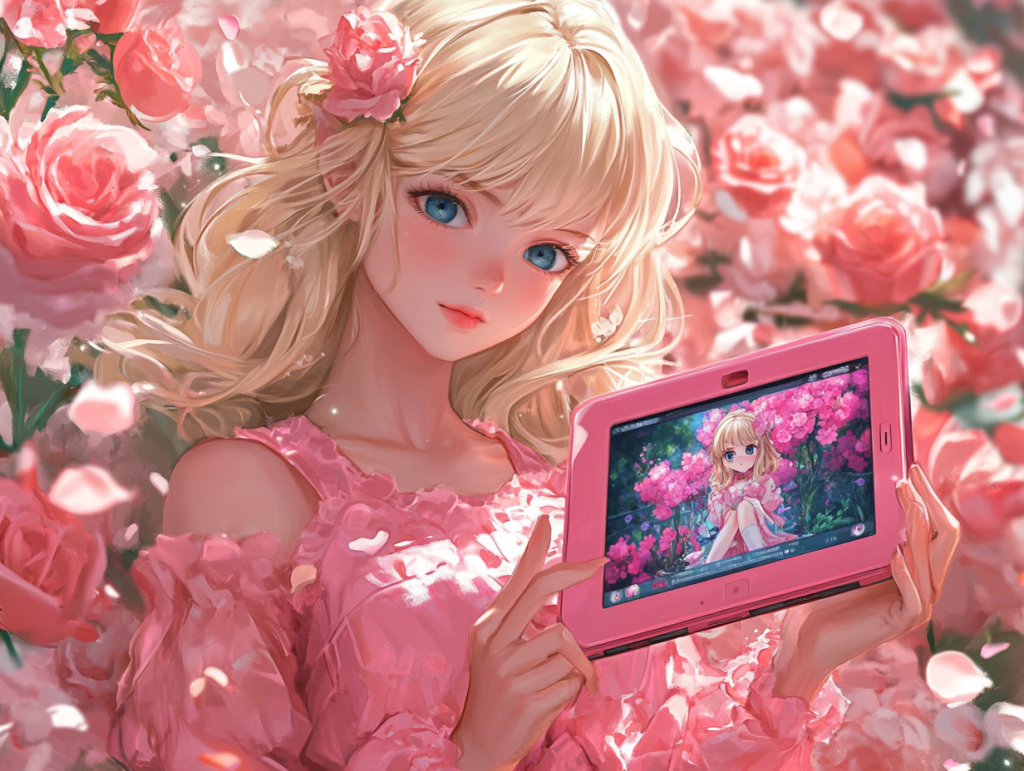
One hour before bedtime in the Sevilla household means entering what can only be described as the Pink Dimension—a bedroom that exists at the intersection of Sailor Moon aesthetics and capitalist fairy tale marketing. If Marie Antoinette had been born in the 21st century with access to Amazon Prime, this is probably what her room would look like.
The pink saturation levels here would make a Barbie movie set designer weep with envy. Every surface radiates various shades of rose, from cotton candy to hot magenta, creating a color palette that’s simultaneously soothing and slightly overwhelming. It’s like being inside a strawberry milkshake that’s achieved consciousness and decided to become a living space.
Dominating one wall, a large portrait showcases a girl in full fairy costume regalia—the kind of professional photography that suggests someone took their child’s dress-up dreams very seriously and had the budget to make them reality. The fairy costume gleams with sequins and tulle, wings spread in perfect symmetry, creating the impression of childhood magic frozen in time and framed for posterity.
But the real MVP of this domestic wonderland? A gigantic cream-colored she-bear that sits in the corner like a plush guardian deity. The thing’s massive—easily three feet tall—with a big satin bow around her neck that screams “I cost more than your monthly internet bill.” She watches over the room with button eyes that have probably witnessed more tea parties and bedtime confessions than most therapists.
The supporting cast includes an army of stuffed animals in various states of cuteness deployment, strategically positioned across surfaces like a soft sculpture installation. Barbie dolls stand at attention on shelves, their impossible proportions and perfect hair serving as tiny ambassadors of Western beauty standards. Hello Kitty figures add that essential Japanese kawaii element, because no properly curated childhood experience is complete without cross-cultural character merchandising.
And then there’s the pièce de résistance: a plastic cash register from some kind of cupcakeria playset. It sits on a small table, complete with fake money and receipts, teaching the fundamentals of retail capitalism disguised as imaginative play. SimCity for the preschool demographic.
In the center of this carefully orchestrated childhood paradise, Allison burrows into her vintage floral bed like a digital age princess in her pastel castle. The bedding pattern suggests someone raided every country cottage aesthetic Pinterest board and somehow made it work together—florals mixing with checks and polka dots in a way that should be chaotic but instead feels deliberately whimsical.
Her tablet screen bathes her face in blue light, creating that modern contradiction of high-tech device in old-fashioned setting. She’s locked onto Crunchyroll like it’s her personal portal to another dimension, which, let’s be honest, it basically is.
On screen, Go! Princess PreCure unfolds with all the magical girl glory that 2015 could muster. This isn’t just any anime—this is premium transformation sequence content, the kind that probably awakened a generation of kids to the possibilities of sparkly costume changes and empowerment through accessories.
Haruka, the heroine, holds her dress-up key with the reverence of someone about to unlock the secrets of the universe. The key morphs into a perfume bottle because apparently the magical girl industrial complex has figured out that cosmetics and power fantasies go hand in hand. She fills it with pink liquid that looks suspiciously like the kind of glittery slime seven-year-olds beg their parents to buy at toy stores.
The spray triggers what can only be described as botanical special effects. A stream of flowers materializes from nowhere, floating around Haruka like she’s starring in a Final Fantasy summon sequence crossed with a shampoo commercial. She twirls under a classical Greco-Roman dome that’s been saturated in rose hues, because why settle for regular architecture when you can have aesthetic architecture?
The transformation climax hits like a sugar rush made visual. Haruka receives her tiara—because crowns are the ultimate symbol of magical girl authority—and her hair pulls a Dragon Ball Z color-change maneuver. Red-copper locks shift to blonde with pink streaks at the tips, a hair transformation that probably violated several laws of physics but looks absolutely spectacular in 2D animation.
Thousands of petals explode in the background like confetti cannons loaded with flowers, creating the kind of over-the-top visual spectacle that anime does better than any other medium. It’s pure sensory overload in the best possible way.
“Princess of the flourishing flowers! Cure Flora!” Haruka declares with the kind of passionate conviction that makes you believe she could actually save the world through the power of positive thinking and really good costume design.
Allison absorbs every frame with the focused intensity of someone witnessing religious revelation. Her eyes reflect the screen’s glow, wide with that particular seven-year-old wonder that comes from watching someone twice your age become a superhero through sheer force of will and magical accessories.
This is her bedtime ritual, her digital lullaby—not fairy tales read from books, but transformation sequences streamed from Japanese studios that understand the universal childhood desire to become something more powerful, more beautiful, more magical than ordinary life allows.
The_mall_quest_&_restaurant_rendezvous.sav

Welcome to Landmark, the beating retail heart of Ayala Malls—a consumer paradise where capitalism wears designer clothes and speaks in hushed, air-conditioned whispers. This isn’t just shopping; this is the Filipino middle-class experience distilled into its purest form, complete with imported brands, aspirational pricing, and the kind of customer service that makes you feel like minor royalty.
Morissette navigates the polished marble floors with practiced efficiency, pushing a shopping cart that’s about a third full—the perfect ratio of “we’re not broke” to “we’re not completely irresponsible with money.” Her posture suggests someone who’s done this exact routine countless times, weaving between display cases and promotional stands with the muscle memory of a seasoned RPG player who’s memorized the optimal path through a familiar dungeon.
At the jewelry counter, where glass cases gleam under strategically positioned LED spotlights, a saleslady deploys that particular brand of Filipino retail charm—professional but warm, helpful but not pushy, with just enough deference to make customers feel important without being obvious about it.
“Ma’am, here is our collection of necklaces. You can choose one for your daughter,” she offers to Thalia, gesturing toward a display that probably costs more than most people’s monthly grocery budget. The necklaces catch the overhead lighting like tiny constellations, each piece positioned to maximize its sparkle potential.
Allison’s reaction is immediate and strategic. “Mommy, I want the heart necklace. Please?” The plea comes wrapped in that particular seven-year-old sweetness that’s part genuine desire, part calculated manipulation, and one hundred percent effective on parental decision-making processes. Her eyes widen just enough to activate maximum cute-factor without crossing into obvious territory.
But the real fashion show happens when she emerges from the fitting room like a miniature runway model making her debut. The pink floral dress swirls around her as she twirls, the fabric catching air and light in exactly the way dress designers intend when they talk about “movement” and “flow.” It’s a performance that would make Project Runway contestants weep with envy—pure confidence wrapped in carefully selected retail therapy.
“That looks lovely on you, my dear,” Morissette observes from her position as family documentation specialist and general supporter of all things Allison-related. Her tone carries genuine affection mixed with that particular pride adults feel when children in their care look especially presentable.
“I know. I have good taste,” Allison responds with the kind of self-assurance that would be arrogant in an adult but somehow works perfectly for a seven-year-old who’s just discovered her personal style. She executes another turn, this time with deliberate dramatic flair, showcasing the dress like she’s auditioning for America’s Next Top Model: Junior Edition.
Thalia, observing from her maternal command center, focuses on the practical elements of this fashion acquisition. “These red shoes already look nice on you, Allison.” It’s a statement that acknowledges both aesthetic success and the reality that they’re building a complete outfit, not just buying individual pieces.
“You know me, Mom—I don’t settle for second best,” Allison declares with the conviction of someone who’s clearly absorbed lessons about quality and self-worth from watching her parents navigate the world of business and social expectations. At seven, she’s already learned that confidence is a choice, and she’s choosing to own every square inch of her retail territory.
The shopping expedition reaches its natural conclusion when Thalia deploys the ultimate parental deadline: “You know your father is already waiting for us at Italianni’s.” It’s the kind of gentle but firm redirection that acknowledges everyone’s had their fun, but now it’s time to move to the next stage of their family programming.
Scene transition: Mall to restaurant, shopping bags to dinner menus.
Italianni’s represents the Filipino upper-middle class’s relationship with international cuisine—authentic enough to feel sophisticated, familiar enough to not intimidate, expensive enough to qualify as a special occasion but not so exclusive that it requires advance planning. The restaurant buzzes with that particular energy of families celebrating minor victories and major paydays.
Enrico sits in the waiting area like a man who’s calculated exactly how long “quick shopping trip” translates to in real time and discovered he’s been overly optimistic. His posture suggests patience that’s been tested but not quite broken—the body language of someone who’s learned that family logistics operate on their own timeline, regardless of restaurant reservations.
His position on the plush restaurant couch gives him a perfect view of the entrance, where he can monitor foot traffic like a radar system scanning for familiar signals. The way he shifts slightly every few minutes suggests internal calculations about arrival times, traffic patterns, and the mysterious temporal dynamics of women’s shopping expeditions.
“We’re here, Enrico,” Thalia announces as the shopping party finally materializes, forming the kind of entrance that suggests they’ve been having adventures while he’s been practicing the ancient art of waiting. She holds Allison’s hand with that particular maternal grip that says “we are a unit, and we are arriving together,” while Morissette trails behind like a loyal support character carrying the evidence of their retail conquests.
Enrico’s response is immediate and practical: “Take your seats so we can order. Here’s the menu.” He distributes the leather-bound menus with the efficiency of someone who’s ready to transition from waiting mode to eating mode without unnecessary delays. His tone carries just enough gentle impatience to acknowledge the delay while maintaining family harmony—a diplomatic achievement that probably requires years of practice to perfect.
The scene settles into that familiar family rhythm where individual adventures converge into shared experiences, shopping bags transforming into dinner conversation topics, and everyone prepares to navigate the complex social dynamics of choosing pasta in a restaurant where the prices reflect both the quality of ingredients and the premium of eating Italian food in Southeast Asia.
Digital_family_bridges.sav

One month before “the incident inside the cave”—and honestly, that sounds like either the setup for a Lost episode or the beginning of every Filipino urban legend ever—Lolo Al and Lola Emily position themselves in front of their laptop like they’re preparing for a diplomatic summit with a foreign nation. Which, in a way, they kind of are.
The laptop sits on their dining table like a digital altar, its screen reflecting the warm glow of their living room lights. Both elderly figures lean forward with that particular posture older people adopt when interacting with technology—slightly tense, hyperaware of every button, treating the device with the respect usually reserved for potentially explosive ordinance.
Lolo Al, weathered hands hovering over the keyboard, embodies that specific generation of Filipino men who survived decades of political upheaval and economic uncertainty only to be defeated by video calling software. His reading glasses perch precariously on his nose, the kind of wire-rimmed spectacles that suggest practicality over fashion, function over form.
Beside him, Lola Emily radiates the patient energy of someone who’s spent a lifetime managing family communications across impossible distances. Her white hair is styled in that timeless Filipino grandmother fashion—neat, practical, dignified—while her eyes hold the anticipation of someone about to witness magic happen through fiber optic cables.
Ring, ring. The Skype notification sounds like a digital doorbell announcing visitors from another dimension. Al’s finger hovers over the answer button for that brief moment of technological anxiety that afflicts everyone over sixty, then commits to the click with the determination of someone defusing a bomb.
The screen flickers, pixels rearrange themselves, and suddenly—boom—there’s Selena, their daughter, smiling at them from what appears to be approximately eight thousand miles away. The video quality has that slightly compressed, vaguely robotic aesthetic that makes everyone look like they’re starring in a low-budget sci-fi movie, but the emotional connection transcends technical limitations.
Selena appears in that classic overseas Filipino worker setup—neat, professional, surrounded by the kind of middle-class American domestic environment that represents the successful end of the immigration story. Her smile carries the weight of someone who’s made sacrifices for family advancement, the particular expression of Filipino parents who’ve traded geographical proximity for economic opportunity.
“Itay, how are you and Inay doing?” she asks, and the formal address system kicks in like linguistic GPS, mapping family relationships through inherited terminology. Itay and Inay—the respectful designations that maintain cultural hierarchy even across digital connections.
Emily, demonstrating the grandmother superpower of immediately cutting to what matters most, responds with characteristic directness: “We’re doing fine. Where are Topher and Bill?” Because when you only get limited video calling time with your overseas family, small talk is a luxury you can’t afford.
“I’m on the laptop, Inay. Bill and Topher are in the recreation room. I’ll take you to them,” Selena explains, and suddenly the camera starts moving in that nauseating handheld style that would make The Blair Witch Project cinematographers proud. She carries the laptop like it’s a magic window, transitioning from formal adult conversation to family tour guide mode.
The recreation room reveals itself in shaky laptop-cam fashion—a quintessentially American family space with the kind of organized chaos that suggests both disposable income and child occupancy. Toys scattered with strategic randomness, furniture designed for comfort over elegance, the domestic archaeology of successful assimilation.
“Say hello to Lolo and Lola,” Selena instructs her son, and this moment represents the complex negotiation of maintaining Filipino family culture within American domestic space. The child must perform respectful acknowledgment of elders who exist only as pixels, maintaining traditions across digital mediums.
Young Topher materializes on screen with the boundless energy that only children possess when showing off their favorite things to people they love. His excitement radiates through the laptop speakers as he launches into his presentation: “Hello, Lolo and Lola! Dad and I are playing with the Thomas and Friends set, and we have these HUGE railways!”
The camera gets a shaky tour of what appears to be an elaborate train set—the kind of toy setup that suggests either serious parental investment in childhood development or the adult rediscovery of playground joy. Thomas the Tank Engine pieces spread across the floor like a miniature industrial revolution, complete with tracks, stations, and enough rolling stock to make actual railroad executives jealous.
Emily, channeling her grandmother instincts through fiber optic cables, engages with genuine curiosity: “What are you playing?” It’s the universal grandmother question, the verbal equivalent of a warm hug transmitted through internet protocols.
Bill enters the frame with that particular energy of American sons-in-law navigating Filipino family dynamics—respectful, warm, but slightly careful about cultural protocols he’s still learning. “Mom and Dad, I’m happy to see you both looking so well and healthy,” he says, and his choice of address demonstrates successful integration into Filipino family terminology while maintaining his natural speaking patterns.
Lolo Al responds with characteristic Filipino faith-based humility: “By God’s grace, we are doing great.” It’s the kind of response that acknowledges blessing while deflecting personal credit, maintaining spiritual perspective on material circumstances.
But the real comic relief happens in the background, where Uncle Ronald hovers near the kitchen door like an NPC waiting for his dialogue tree to activate. His internal monologue reveals the hilarious anxiety of having to speak English to what he’s apparently designated as “the Kennedys”—a nickname that suggests either their American affluence or just his general intimidation by English-speaking in-laws.
My nose will bleed speaking English to the Kennedys, he thinks, and honestly, this is the most relatable content in the entire scene. His awkward wave from the background captures the universal experience of trying to participate in conversations where language barriers make you feel like you’re performing rather than communicating.
The whole scene represents the modern Filipino diaspora experience compressed into a single video call—grandparents maintaining connection across impossible distances, children learning cultural respect through digital mediums, and everyone navigating the complex choreography of family love expressed through internet infrastructure.


Leave a Reply