Overview:
| The Kennedys bond at the pool with a water slide, water guns, an inflatable beach ball—and a joyful charge! Selena encourages her husband Bill and their butler Carlisle to try the spicy Filipino dish Laing. Meanwhile, their son Topher befriends Roanne, a kind and hospitable cashier from the coastal town. The Sevillas depart from the Ashford Residences, though not without mother and daughter Thalia and Allison overpacking their luggage with dresses and accessories. As for the Pangilinans, they endure a long, tiring journey along the Metro Manila Sky Expressway, finding creative ways to entertain themselves and pass the time. |
Pool_day_chronicles.sav
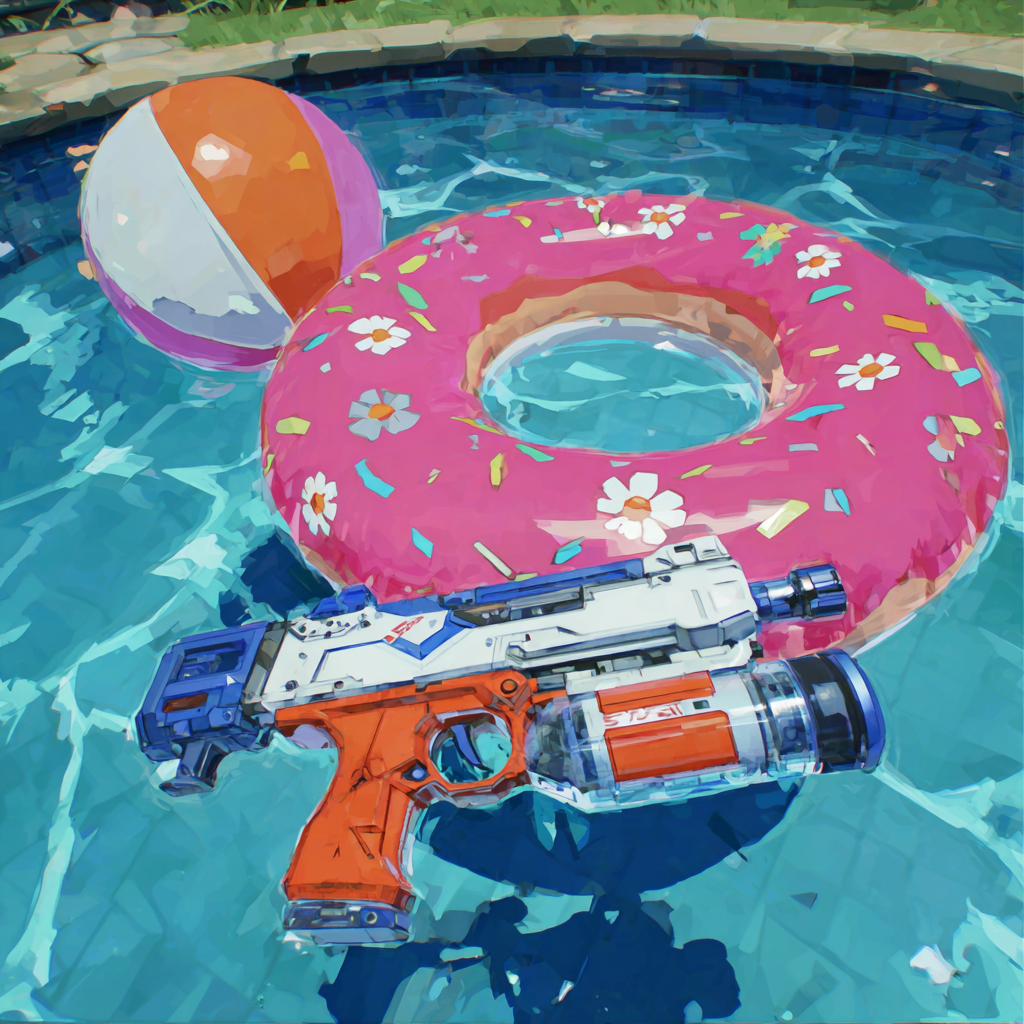
The midday sun beats down on this sprawling aquatic playground like something out of a Nintendo Water Park level—all chrome railings, rainbow-colored tube slides, and that distinctive chlorine-tinged air that screams “summer vacation mode activated.” I watch from the poolside observation post, noting how the scene unfolds with the predictable rhythm of a feel-good family sitcom.
Carlisle—the family butler who looks like he stepped out of a British period drama but somehow ended up in board shorts and a polo shirt—grips the metal handrail as he climbs the towering water slide alongside his young charge. The guy’s got to be approaching thirty, but he’s scaling those steps like he’s training for some kind of Ninja Warrior: Butler Edition. His black hair catches the sunlight, and despite the casual aquatic attire, he maintains that impeccable posture that screams “I iron my swim trunks.”
Topher—the kid who’s basically living every nine-year-old’s dream of having a personal butler who doubles as a water park buddy—bounces on his toes at the slide’s peak. His sun-bleached hair sticks up in every direction, and his swim trunks are the kind of bold choice that only works when you’re young enough to pull off primary colors without irony. The kid’s practically vibrating with excitement, like he’s channeling pure kinetic energy from some hyperactive anime protagonist.
They launch themselves down the twisting behemoth of a slide—a serpentine monster of blue and yellow plastic that corkscrews through the air like something designed by someone who clearly played too much Sonic the Hedgehog. Carlisle maintains his dignified composure even while hurtling through space, which is honestly impressive. Most adults look like they’re questioning their life choices halfway down these things.
The physics of their descent follows the standard water slide trajectory: initial velocity, centrifugal force on the curves, that moment of brief weightlessness before gravity reasserts dominance. They rocket through the final straightaway and—SPLASH—the pool swallows them in an explosion of white foam and flailing limbs.
When they surface, Topher’s grin could power a small city. Water streams from his hair, and he’s got that post-adrenaline glow that makes kids look like they’ve discovered the secret to eternal happiness.
“That was fun, Carlisle!” The exclamation bursts from him like dialogue from a Saturday morning cartoon.
Carlisle smooths his wet hair back with practiced efficiency, his smile genuine but measured—the kind of understated approval that comes from someone who’s probably seen more excitement than most people could handle in three lifetimes. “I’m glad you had fun, bud,” he replies, and there’s something almost paternal in the way he says it. Found family tropes are everywhere once you start looking.
But Topher’s already moved on to his next target, because kids have the attention span of caffeinated squirrels. He spots his mother lounging on what can only be described as the Rolls-Royce of pool floats—a massive inflatable bed that looks like it could double as a small aircraft carrier. Selena’s the picture of leisure: oversized sunglasses, a wide-brimmed hat that somehow stays perfectly positioned, and a one-piece swimsuit that screams “I have arrived at peak relaxation.”
The kid’s eyes light up with that particular brand of mischief that every parent learns to recognize from a mile away. He raises his water gun—a decent mid-range squirter that probably holds about twelve ounces—and takes aim like he’s channeling his inner Deadshot.
PSSSHHHH.
The stream arcs through the air with surprising accuracy, catching Selena square in the face. She startles, nearly losing her designer sunglasses, and the hat tips at a rakish angle that would be stylish if it weren’t for the water dripping from her chin.
“That’s naughty, son,” she says, but her tone carries about as much genuine disapproval as a feather carries weight. She wipes the water from her face with the back of her hand, and there’s a smile tugging at the corner of her mouth that she’s trying really hard to suppress. Classic mom behavior—maintaining the appearance of authority while secretly enjoying the chaos.
“Sorry, Mom, but it’s too much fun!” Topher giggles, and the sound is pure, unfiltered joy. No cynicism, no irony, just the kind of happiness that adults spend their entire lives trying to recapture.
Enter Bill, the dad, who emerges from the pool’s deeper end like some kind of suburban Neptune. He’s got that classic dad-at-the-pool look: slightly sunburned shoulders, swim trunks that have seen better days, and the kind of easy confidence that comes from knowing you’re exactly where you’re supposed to be.
“Hey buddy, catch!” Bill calls out, and suddenly there’s an inflatable beach ball sailing through the air in a perfect parabolic arc. The thing’s probably regulation size, about fourteen inches in diameter, with those classic rainbow stripes that have been standard beach ball design since the dawn of time.
What follows is the kind of impromptu game that happens when you put a father and son in a pool together. Physics meets fun as they volley the ball back and forth, each toss a small lesson in trajectory and timing. Topher’s throws are enthusiastic but wildly inconsistent—sometimes too high, sometimes too low, always with enough spin to make the ball do interesting things in the air.
Bill’s clearly holding back, throwing with just enough challenge to keep it interesting but not so much that the kid gets frustrated. It’s the kind of subtle parenting that looks effortless but probably took years to master.
Then comes the inevitable missed catch.
The ball sails past Bill’s outstretched hands, and Topher’s victory cry could probably be heard from orbit. “I scored, Dad! You missed the ball!” The kid’s jumping up and down in the shallow end, arms raised like he just won the World Series of Pool Sports.
“Yep, I lost this round,” Bill concedes with a theatrical shake of his head, and there’s something beautifully genuine about the way he lets his son have the moment. No wounded pride, no need to assert dominance—just pure dad contentment.
But Topher’s already plotting his next move, because the kid’s got the strategic mind of a tiny general. He swims over to his father with purpose, scrambling up Bill’s back like he’s scaling a human mountain. Within seconds, he’s perched on his dad’s shoulders, looking like the world’s youngest lifeguard.
“We’re coming for you, Mom!” Topher declares, pointing dramatically at Selena’s floating fortress of relaxation.
Bill adjusts his grip on his son’s legs, making sure the kid’s secure before beginning their advance across the pool. “Yeah, we’re coming!” he echoes, and his voice carries that mock-serious tone that dads use when they’re fully committed to the bit.
They wade through the water like some kind of aquatic cavalry charge, Bill’s steady progress creating small waves that ripple outward in concentric circles. Topher bounces slightly with each step, his hands gripping his father’s hair for stability, and the whole scene has this epic quality that only exists in the imagination of a nine-year-old.
Meanwhile, Carlisle has transformed from water slide companion to family documentarian, wielding a DSLR camera like he’s shooting for National Geographic. The camera’s probably a Canon or Nikon—something professional-grade with a telephoto lens that can capture the action from a respectful distance. He frames the shot with the kind of practiced eye that suggests this isn’t his first rodeo behind a camera.
Click.
The shutter captures the moment: father and son in their aquatic charge, the perfect combination of action and emotion frozen in time. Carlisle lowers the camera, studying the LCD screen with the satisfied expression of someone who knows they’ve just documented something special.
“You all look great together,” he observes, and there’s genuine warmth in his voice. It’s the kind of comment that comes from someone who’s spent enough time with the family to understand the real dynamics at play.
The setting itself is like something out of a summer blockbuster’s opening scene—a massive public pool complex that stretches across several acres of concrete and chlorinated paradise. Families dot the landscape like colorful chess pieces, kids in flotation devices that look like everything from unicorns to fighter jets, parents in various states of sun-soaked relaxation.
The water slide network dominates the northern section of the complex, a maze of tubes and towers that would make an architect weep with joy. There are the standard racing slides, the family raft ride, and that one slide that’s basically a vertical drop designed to test your relationship with gravity. Water fountains sprout from seemingly random locations, creating impromptu dance parties for the under-twelve crowd.
And overseeing it all, perched on a lifeguard chair that looks like it was designed by someone who took “commanding presence” literally, sits the guardian of aquatic safety. The lifeguard’s got that classic summer job look: zinc oxide on the nose, wraparound sunglasses, and the kind of tan that only comes from spending eight hours a day in direct sunlight. A whistle hangs from a lanyard around his neck, ready to restore order to the chaos with a single sharp blast.
The whole scene pulses with that particular energy that only happens when you combine water, sunshine, and the universal human need to occasionally act like you’re eight years old again. It’s the kind of place where memories get made, where the simple act of being together becomes something worth documenting.
And honestly? Sometimes the best stories are the ones where nothing world-ending happens. Sometimes it’s enough to watch a family be a family, to see joy in its purest form, and to remember that happiness doesn’t always need a plot twist to be worth your time.
Filipino_feast_chronicles.sav
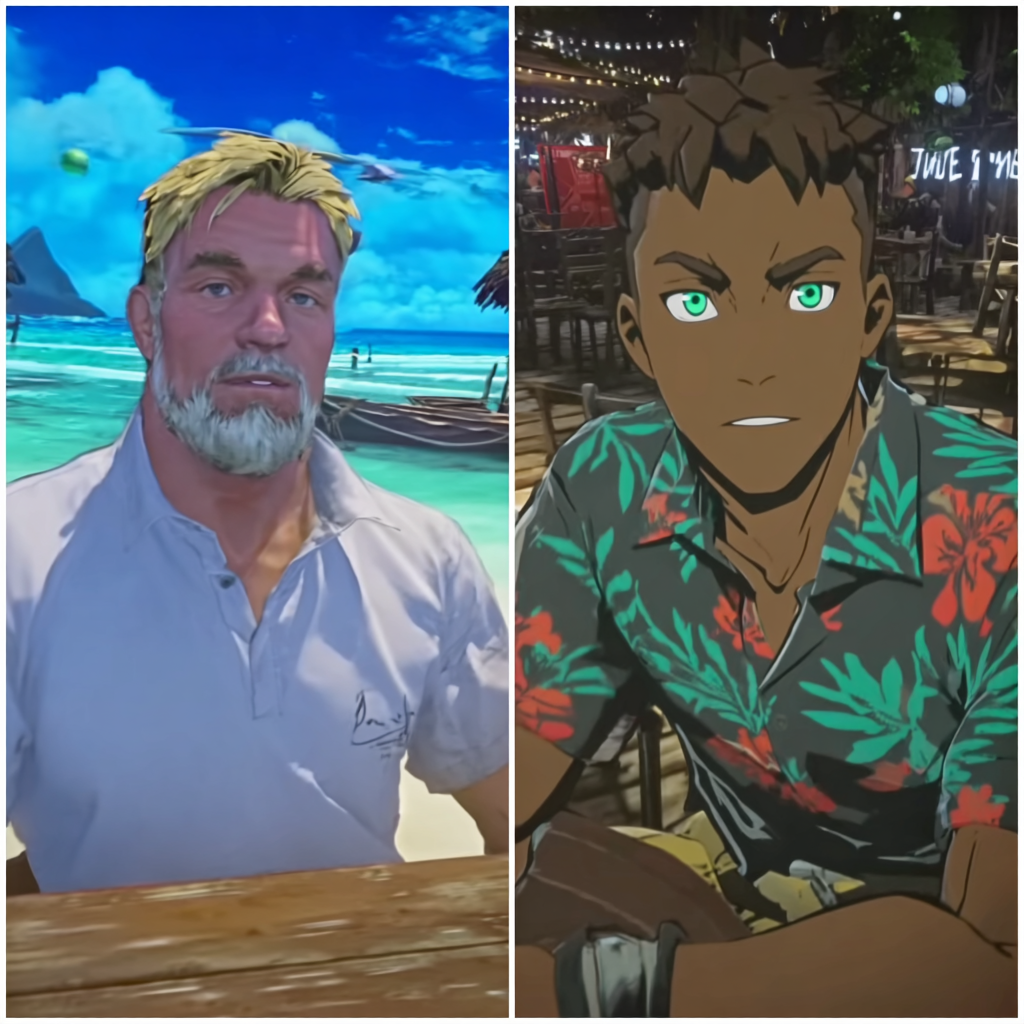
The next day finds the Kennedy family plus their butler parked at a wooden table inside Aling Corazon—which sounds like the kind of restaurant name that would show up in a Filipino indie film about family traditions and secret recipes. I observe the scene from mental director’s chair, noting how the restaurant’s bamboo ceiling fans spin lazily overhead like tired helicopter blades, pushing around air that smells like a perfect fusion of coconut milk, garlic, and adventure.
The place screams authentic Filipino dining experience: woven placemats that look handcrafted by someone’s lola, mismatched wooden chairs that have probably seen more family celebrations than a Facebook timeline, and walls decorated with vintage jeepney photos and old San Miguel beer advertisements. The kind of establishment where the food tastes like it comes with generational wisdom and the waitstaff treats you like extended family whether you want it or not.
Selena sits with the posture of someone about to conduct a masterclass in cultural cuisine. Her dark hair is pulled back in a practical ponytail, and she’s wearing a flowy sundress that suggests “relaxed vacation mom who’s still put-together enough to educate people about her heritage.” There’s this particular gleam in her brown eyes—the same look gamers get when they’re about to introduce their friends to an underrated RPG that’s about to blow their minds.
Bill lounges in his chair like he’s ready for whatever culinary adventure awaits, his Hawaiian shirt looking pleasantly rumpled in that “I’m on vacation and embracing it” way. The guy’s got sun-kissed skin that suggests he’s been making good use of the beach resort, and his expression carries the kind of open curiosity that makes him the perfect candidate for food exploration.
Carlisle, meanwhile, maintains his signature butler poise even in casual khakis and a polo shirt. The man could probably look dignified while eating cereal, but right now he’s leaning forward with the focused attention of someone who takes cultural education seriously. His jet black temples catch the afternoon light filtering through the restaurant’s bamboo screens.
And then there’s Topher, fidgeting in his chair like he’s got Pokemon-level energy barely contained in a nine-year-old body. The kid’s wearing a bright blue t-shirt with some cartoon character that I don’t immediately recognize, and his hair is still doing that post-beach, slightly tousled thing that only works when you’re young enough to make bedhead look intentional.
“Since you two like spicy food, here’s some laing,” Selena announces, sliding a ceramic bowl across the table toward Bill and Carlisle with the ceremonial care of someone presenting a legendary weapon in an RPG cutscene.
The dish itself looks like something that would be described as “rustic” in a food blog—dark green leaves swimming in what appears to be thick, creamy coconut milk that’s been enriched with enough spices to make it look almost burgundy in places. Steam rises from the surface, carrying an aroma that’s simultaneously earthy and complex, like someone took the essence of tropical vegetation and upgraded it with serious culinary skill points.
“What’s laing?” Bill asks, leaning closer to examine the mysterious green concoction with the cautious curiosity of someone approaching an unknown power-up in a video game.
Selena’s face lights up with the kind of enthusiasm that comes from someone who genuinely loves sharing their culture—not in a preachy way, but like a gamer explaining the lore behind their favorite franchise. “It’s taro leaves, either shredded or whole, cooked in thick coconut milk with meat or seafood. It’s seasoned with chili, lemongrass, garlic, shallots, ginger, and shrimp paste. This is a specialty from Bicol, where it’s called pinangat.”
The explanation flows from her like she’s reciting the ingredient list for a master-level crafting recipe, each component carefully selected for maximum flavor synergy. Her hands gesture expressively as she talks, painting invisible pictures of the cooking process.
“Sounds incredible!” Carlisle responds with the kind of genuine enthusiasm that suggests he’s not just being polite—the man actually seems excited to expand his culinary database. He serves himself a generous portion with the confidence of someone who’s learned that the best adventures happen when you commit fully to the experience.
Bill follows suit, loading his spoon with enough laing to get a proper taste-test sample. When he takes his first bite, his eyebrows do this thing that happens when someone’s taste buds suddenly realize they’ve been missing out on something amazing their entire lives.
“This is amazing!” he declares, and the enthusiasm in his voice suggests he’s not just being politely complimentary. His eyes are wide with the kind of genuine surprise that happens when reality exceeds expectations by a significant margin.
“I couldn’t agree more. It’s fiery but delicious!” Carlisle adds, taking another spoonful with the methodical appreciation of someone who’s definitely adding this dish to his personal favorites list. There’s a slight flush creeping up his neck—probably from the chili content—but his expression suggests he considers it a feature, not a bug.
“I’m so glad you both like it,” Selena beams, and her smile carries the satisfaction of someone who’s successfully shared a piece of home with people she cares about. It’s the kind of moment that feels like a small victory for cultural bridge-building through food.
But then she turns her attention to Topher, shifting into full mom-mode as she introduces the next course. “Topher, this is bilo-bilo.”
The dessert arrives in a clear glass bowl, looking like something that escaped from a kawaii anime about magical cooking. Colorful spheres float in creamy coconut milk like tiny planets in a sweet, edible galaxy—glutinous rice balls sharing space with chunks of bright orange sweet potato, purple taro, yellow jackfruit, and what appears to be small tapioca pearls that look suspiciously like bubble tea accessories.
“What’s bilo-bilo, Mom?” Topher asks with the wide-eyed curiosity of someone encountering a new type of Pokemon for the first time.
“It’s a dessert made of glutinous rice balls in coconut milk with sugar. We add jackfruit, bananas, sweet potatoes, taro, and tapioca pearls. This recipe comes from Luzon,” Selena explains, watching her son with the patient expression of someone who’s used to being a walking encyclopedia of Filipino cuisine.
Topher dips his spoon into the colorful mixture and takes a careful taste, his face cycling through a series of expressions that would make a good reaction GIF. First there’s earnest curiosity, then surprise, followed by that unmistakable look of someone who’s just discovered their new favorite thing.
“I love it, Mom!” he exclaims, diving back in for another spoonful with the enthusiasm of someone who’s just unlocked a secret level.
“I’m so happy to hear that!” Selena responds, reaching over to give him a quick side-hug that’s equal parts maternal pride and cultural satisfaction. Her expression suggests she’s filing this moment away in the “successful parenting achievements” category.
Topher continues working his way through the dessert with single-minded determination, occasionally pausing to take sips from his glass of iced tea—which looks like standard restaurant fare, probably sweetened and served with enough ice to survive the tropical heat.
But as he scrapes the last bit of bilo-bilo from his bowl, his expression shifts to that particular look kids get when they’re formulating plans that may or may not worry their parents. “The iced tea is good, but I want something else, Mom.”
Selena immediately shifts into problem-solving mode, her maternal instincts activating like a defense system coming online. “What do you want? We can order it for you,” she offers, clearly ready to flag down their server and make whatever beverage magic happen.
But Topher’s already shaking his head, his nine-year-old independence protocols fully engaged. “No, Mom, I can do it myself. I’ll go to the cashier,” he declares, pointing toward the restaurant’s front counter with the confidence of someone who’s clearly been paying attention to how restaurants work.
The kid’s got that determined set to his jaw that suggests he’s reached one of those developmental milestones where independence becomes more important than convenience. It’s the kind of moment that probably makes parents simultaneously proud and mildly terrified.
Bill, displaying the kind of dad wisdom that comes from understanding the delicate balance between protection and growth, weighs in with diplomatic support. “Let him be. Our little man is growing up,” he says, though I notice the way his eyes track toward Topher with subtle awareness—the kind of parental radar that stays active even when you’re officially giving your kid space to spread their wings.
Selena’s expression cycles through what appears to be an internal debate between protective instincts and recognition that her son is, in fact, capable of ordering his own beverage. It’s the classic parenting paradox: wanting your kid to be independent while simultaneously wanting to wrap them in bubble wrap and keep them safe forever.
The afternoon sunlight streams through the restaurant’s windows, casting everything in that golden hour glow that makes even mundane moments feel cinematically significant. And honestly? Sometimes the best adventures aren’t about saving the world—sometimes they’re about watching a kid take his first steps toward independence, one restaurant order at a time.
Friendship_quest_initiated.sav
Topher slides off his chair like he’s executing a flawless NPC animation—smooth, purposeful, and with the kind of confidence that suggests he’s been mentally rehearsing this independence mission since breakfast. His blue Converse hit the polished concrete floor of Aling Corazon with soft squeaks as he navigates between tables, weaving through the lunch crowd like a miniature speedrunner heading for the final checkpoint.
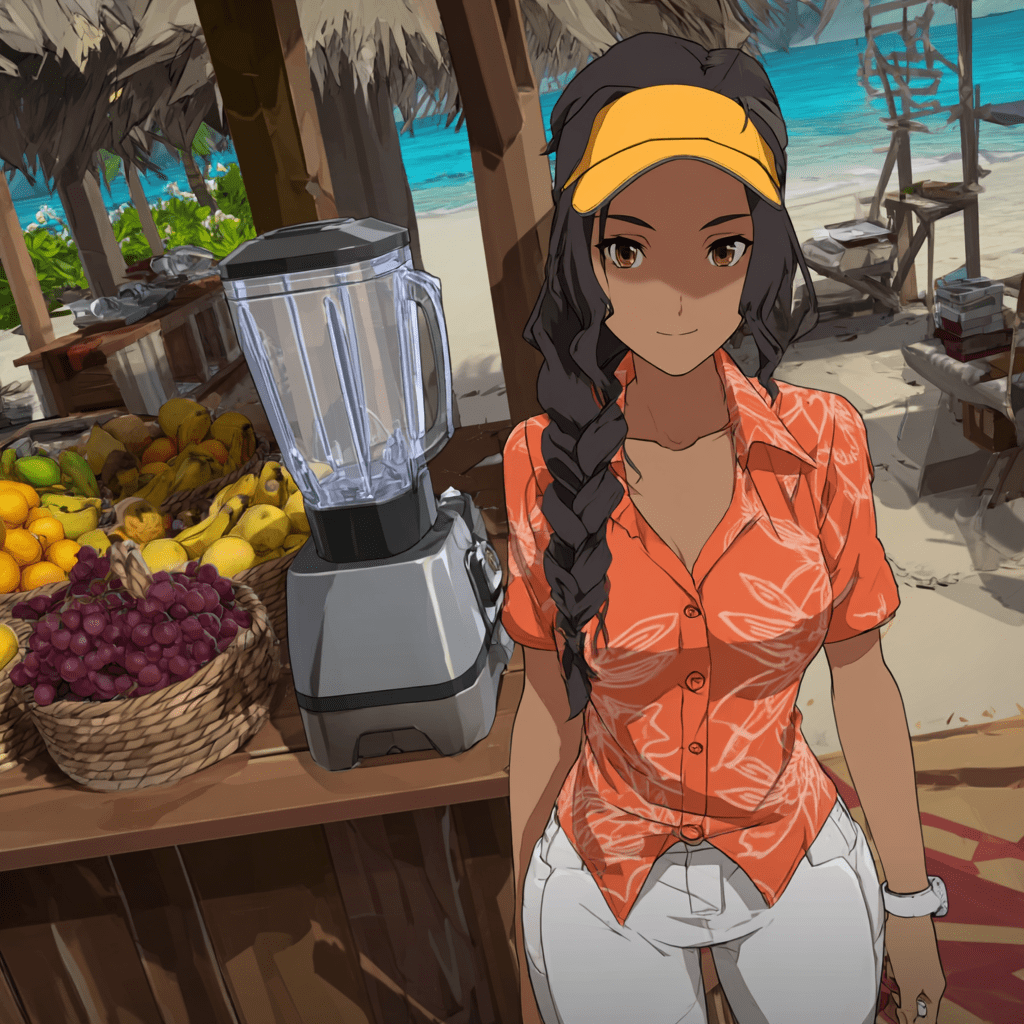
The restaurant’s bar area stands against the far wall like a tropical command station, its bamboo frame giving off serious tiki-lounge vibes that wouldn’t look out of place in a Far Cry level. Behind the counter, an industrial blender sits ready for action next to a display of fresh fruit arranged with the kind of care that suggests someone actually takes pride in their workstation setup.
Topher approaches one of the woven rattan bar stools and executes what can only be described as a tactical climbing sequence. His sneakers find the footrest, and he hoists himself up with the determination of someone who’s clearly mastered the art of bar stool conquest. His t-shirt rides up slightly during the ascent, and once perched on top, he straightens his shoulders like he’s activating his “serious business” protocol.
“Can I order a watermelon shake, please?” The request emerges with textbook politeness that would make any parent proud. His voice carries that particular mix of confidence and underlying excitement that happens when kids venture into solo quest territory while knowing their party members are still watching from across the room.
Behind the counter stands what appears to be the establishment’s designated shake specialist—a teenage girl who looks like she belongs in one of those feel-good Filipino summer films about finding yourself through honest work. Her smile activates immediately upon hearing Topher’s request, genuine rather than the automated customer service variety.
“Of course!” she responds, and there’s actual delight in her tone that goes way beyond standard hospitality programming. Her dark eyes crinkle with amusement—probably because Topher’s earnest politeness is the kind of thing that could melt even the most battle-hardened food service worker’s heart.
What follows is basically Iron Chef: Fruit Shake Edition. The girl moves with practiced efficiency, reaching for a fresh watermelon from the refrigerated display. Her knife work is legitimately impressive—clean, precise cuts that slice through the thick rind like she’s got maxed-out culinary skills. Within seconds, she’s produced perfect red cubes that glisten with juice, each piece getting a quick quality inspection before seeds get flicked away with surgical precision.
Topher leans forward, chin propped on his hands like he’s watching the most fascinating livestream ever. His eyes track every movement as she loads the watermelon chunks into the industrial blender alongside crushed ice that rattles like crystalline percussion, condensed milk that swirls through the mixture like sweet ivory ribbons, and just enough water for optimal blending consistency.
The blender roars to life with mechanical enthusiasm, transforming individual ingredients into a vortex of rosy perfection. Thirty-seven seconds later—my internal chronometer is surprisingly accurate when it comes to kitchen equipment—silence returns and she pours the finished product into a tall glass that looks like it holds about twelve ounces of liquid satisfaction.
But she’s not done yet. With the focused artistry of someone who’s turned garnishing into a personal craft, she selects a perfect triangular watermelon slice and balances it on the glass rim like a tiny red victory flag.
“Here you go, young sir, with a slice of watermelon on top,” she announces, sliding the completed masterpiece across the bamboo counter with the satisfied expression of someone who’s just crafted something Instagram-worthy.
Topher accepts the shake with both hands, cradling it like he’s been entrusted with a legendary artifact. The condensation immediately begins transferring to his palms, but he doesn’t seem to notice—he’s too busy admiring the perfect rosy gradient and the way the garnish catches the afternoon light.
“Thank you! My name is Topher, by the way,” he declares with the kind of straightforward honesty that only works when you’re nine and haven’t yet learned that adult social interactions require complicated negotiation protocols. His smile is wide enough to show the watermelon stain of his tooth, and his eyes have that particular brightness that comes from someone genuinely happy to be exactly where he is.
“What a lovely name. I’m Roanne,” the girl responds, extending her hand for a proper handshake that Topher accepts with the seriousness of someone sealing an important diplomatic agreement.
Now that formal introductions are complete, I get a better visual scan of Roanne Reyes Mallari—fifteen years old and clearly someone who’s mastered the art of looking put-together even during a busy restaurant shift. Her long black hair is secured in a neat braid that extends halfway down her back, woven tight enough to survive tropical humidity but precisely straight that suggest it would be stunning when loose.
Her dark brown eyes hold genuine curiosity rather than the glazed-over look of someone going through customer service motions. Her skin has that healthy tan that comes from year-round sunshine, and when she smiles, it transforms her entire face into something that would make casting directors take notes. Her floral orange blouse and crisp white pants somehow remain spotless despite what must be a demanding shift—a feat that deserves recognition.
“There’s my younger sister, Kate. She’s a waitress here, too,” Roanne continues, gesturing toward another section where a slightly smaller figure navigates between tables with graceful efficiency. “We work here during our summer vacation.”
Kate appears to be around thirteen, moving with the kind of purposeful confidence that suggests good training and natural aptitude. Even from this distance, the family resemblance is clear in her posture and the way she tilts her head when taking orders from confused tourists struggling with Filipino menu terminology.
“Thanks for telling me! I guess that makes us friends now,” Topher announces with the kind of direct logic that would make social media relationship experts weep. His declaration carries the confidence of someone who’s just solved a simple equation: shared names plus pleasant conversation equals friendship status achieved.
“Yes, you’ve made a new friend today, little man,” Roanne confirms, and there’s something genuinely sweet about how she accepts this instant friendship designation. Her tone suggests she’s charmed by Topher’s directness rather than annoyed—probably because his enthusiasm is infectious enough to break through the usual barriers between customers and service workers.
From across the restaurant, I note how this entire interaction represents cross-cultural connection happening in real time. No complicated protocols required—just a kid being genuinely interested in another person and someone being kind enough to respond with equal authenticity.
Topher takes his first sip through the pink-striped straw, and his expression of pure contentment suggests this beverage mission has been accomplished with complete success. Sometimes the best quests aren’t about saving kingdoms—sometimes they’re about climbing onto a bar stool and discovering that friendship can happen anywhere, as long as you’re brave enough to introduce yourself and kind enough to care about the response.
Loading_screen_family_vacation_mode.sav

The elevator at Ashford Residences hums with that particular mechanical frequency that reminds me of ambient sound effects from sci-fi corridor scenes—steady, predictable, and somehow both comforting and ominous depending on your current mission parameters. The Sevilla family stands arranged inside the brushed steel compartment like players positioning themselves for a dungeon run, each member locked into their designated roles for what’s clearly about to be an epic family vacation quest.
Enrico Sevilla occupies the classic “Dad Tank” position near the elevator controls, his posture radiating that particular brand of resigned determination that comes from someone who’s accepted his fate as the family’s primary logistics coordinator. He’s wearing khaki pants that probably came from one of those “practical dad” clothing lines, paired with a dark and striped polo shirt that’s seen enough weekend errands to qualify as battle-tested gear. His jet black hair is combed with military precision, and his expression carries the focused intensity of someone mentally calculating trunk space versus luggage volume ratios.
Thalia stands beside him like a perfectly calibrated support character, her designer sundress flowing in soft waves that somehow manage to look both vacation-casual and expensive enough to fund a small gaming setup. Her brown dyed hair is styled in one of those effortlessly elegant arrangements that probably required forty-five minutes and professional-grade products to achieve. She clutches a leather shoulder bag that looks like it cost more than most people’s monthly gaming budget, and her manicured fingers tap against the strap with the rhythmic precision of someone inputting complex combo sequences.
Allison—clearly the party’s designated Princess character—bounces slightly on her toes with barely contained excitement that would put hyperactive anime protagonists to shame. The kid’s probably around seven years old, dressed in a mostly pink get-up decorated with sparkly butterflies that catch the elevator’s LED lighting like tiny disco balls. Her wavy hair is accessorized with ribbons that match her outfit’s color scheme, and she’s got that particular glow that kids get when they’re about to embark on an adventure that involves swimming pools and room service.
Morissette brings up the rear formation, positioned like a dedicated support NPC whose entire existence revolves around making sure the main characters have everything they need for their journey. She’s wearing the kind of fancy attire that suggests she’s optimized her entire wardrobe for fashion over functionality—comfortable sandals that can handle extended walking missions, clothing that won’t show stains or wrinkles, and an overall appearance that conceals “professional logistics specialist.” Her expression carries the patient competence of someone who’s managed family vacation preparations enough times to know exactly how this scenario typically unfolds.
The elevator descends with the smooth efficiency of a well-programmed animation sequence, floor numbers counting down on the digital display like a mission timer approaching zero. When the doors slide open with a soft pneumatic hiss, they reveal the underground parking garage—a concrete cavern that stretches into shadowy distances like the opening level of a cyberpunk adventure game.
The family steps out in synchronized formation, their footsteps echoing against the polished concrete floor with the kind of acoustic precision that sound designers spend weeks perfecting. Overhead, fluorescent lights cast everything in that particular bluish-white glow that makes every underground parking garage look like it belongs in a thriller movie’s establishing shots.
Enrico immediately assumes his role as pack mule, hefting a substantial duffel bag over his shoulder while gripping the telescoping handle of a wheeled suitcase that’s clearly seen enough travel to qualify as a veteran campaign companion. The luggage rolls behind him with the steady rhythm of tiny wheels against concrete, creating a percussion track that echoes through the garage’s cavernous space.
Thalia follows in perfect formation, her heels clicking against the floor with the confident cadence of someone who’s mastered the art of looking elegant while navigating potentially hazardous terrain. Her shoulder bag bounces slightly with each step, and she maintains her grip on Allison’s small hand with the protective instincts of someone whose primary objective is keeping her party member safe and accounted for.
Allison practically vibrates with excitement as she walks, her sparkly dress catching the overhead lights and turning her into a mobile light show that would make rave organizers jealous. Her other hand swings freely, occasionally reaching out to touch random car surfaces as they pass—the kind of unconscious exploration behavior that happens when kids encounter new environments and feel compelled to interact with everything within reach.
Morissette trails behind them like a dedicated support character managing the team’s inventory, surrounded by an impressive collection of luggage that represents what appears to be enough clothing and accessories to supply a small resort. She maneuvers multiple wheeled bags with practiced efficiency, occasionally adjusting her grip or repositioning a strap with the kind of muscle memory that comes from extensive experience in luggage management operations.
They navigate through rows of parked vehicles that stand like sleeping mechanical beasts waiting for their owners to return from whatever missions brought them to this underground lair. Sedans, SUVs, and the occasional sports car create a maze of metal and glass that reflects the fluorescent lighting in complex patterns across windshields and chrome bumpers.
Enrico raises his key fob like he’s activating a targeting system, pressing the unlock button with the focused precision of someone initiating a critical sequence. His dark gray sedan responds immediately with a cheerful electronic chirping—”Beep, beep, beep, beep”—that cuts through the garage’s ambient silence like a friendly NPC providing helpful navigation assistance.
The car reveals itself to be a practical mid-size sedan, the kind of vehicle that prioritizes cargo space and fuel efficiency over flashy performance specs. Its dark gray paint job gleams under the artificial lighting, and the overall design suggests someone chose function over form when configuring their family transportation module.
Enrico approaches the trunk with the weary determination of someone about to engage in inventory management mechanics that he knows will test his spatial reasoning skills to their absolute limits. As the trunk lid pops open, he begins the complex process of luggage optimization, trying to fit what appears to be enough belongings for a month-long expedition into a cargo space designed for weekend grocery runs.
“Thalia, why did you and Allison bring so much? We’re only staying in Laiya, Batangas, for five days,” he asks, his voice carrying that particular tone that dads use when they’re questioning tactical decisions while simultaneously knowing that resistance is futile.
“These are all essentials, Enrico,” Thalia replies with the unwavering confidence of someone who’s clearly put serious strategic planning into this operation. “Allison and I have our outfits planned for the entire trip. Do you want your wife and daughter looking shabby at a high-end resort?”
The logic is bulletproof, and Enrico’s internal dialogue probably runs something like: There’s no point arguing—when she makes up her mind, it’s final. His expression shifts to that resigned acceptance that comes from someone who’s learned to pick his battles carefully, and he returns to the luggage Tetris challenge with renewed focus on making everything fit regardless of the spatial impossibility involved.
Allison’s personal luggage deserves special mention—a rolling suitcase covered in sparkly pink accents that look like they were designed by someone who took “Princess Aesthetic” as a serious design brief. The thing practically glows under the garage lighting, and Morissette can’t help but smile at the kid’s commitment to maintaining her fabulous style standards even during travel operations.
With the trunk finally loaded through what appears to be a combination of engineering skill and minor physics violations, the family settles into their assigned seating positions. Enrico claims the driver’s seat like a pilot preparing for launch, his hands automatically adjusting mirrors and seat position with practiced efficiency. Thalia slides into the passenger seat beside him, immediately beginning what’s probably a comprehensive review of their vacation itinerary stored on her smartphone.
In the back, Morissette and Allison establish their own little command center, with the maid clearly prepared to handle any mid-journey requirements that might arise from traveling with an excited seven-year-old who’s probably going to ask “Are we there yet?” approximately every twelve minutes for the duration of the trip.
The dark gray sedan’s engine purrs to life with the satisfied rumble of a machine that’s ready to begin the next phase of this family adventure. As they navigate through the parking garage’s exit ramp, the car emerges from the underground depths into the bright Philippine sunshine like a submarine surfacing after a successful mission.
The vehicle’s paint job gleams in the natural light, transforming from garage-fluorescent gray to a rich metallic finish that suggests this family vacation is about to commence in proper style. And honestly? Sometimes the best adventures start with the simple act of loading too much luggage into a car and heading toward a destination where the biggest challenge will be deciding which pool to use first.
Road_trip_chaos_engine.sav
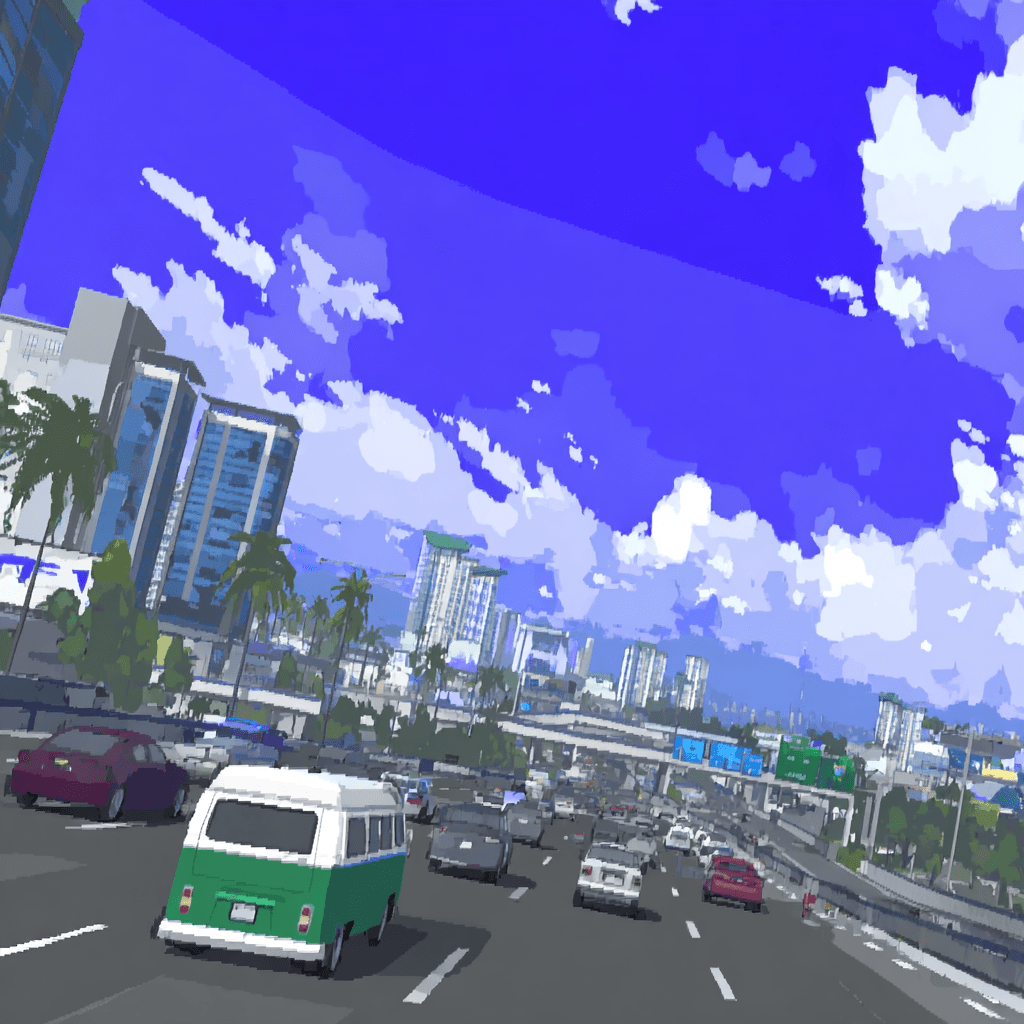
The Pangilinan family van rolls through Metro Manila like a mobile command center loaded with enough chaos energy to power a small gaming convention. I observe this traveling ecosystem from my mental observation deck, noting how each family member has settled into their designated roles for what’s clearly going to be an epic road trip campaign.
Greg maintains his position in the driver’s seat like a seasoned raid leader navigating through Manila’s notorious traffic dungeons. His hands grip the steering wheel with the focused determination of someone who’s learned that survival in Philippine traffic requires the reflexes of a pro gamer and the patience of a Buddhist monk. The guy’s wearing a comfortable polo shirt that’s probably seen enough family road trips to qualify as battle-tested gear, and his expression carries that particular zen-like focus that comes from years of family transportation logistics.
Martha occupies the co-pilot position with the efficient grace of someone who’s mastered the art of being the party’s support coordinator. Her dark hair is pulled back in a practical ponytail, and she’s got that alert posture that suggests she’s ready to handle navigation, snack distribution, or sibling conflict resolution at a moment’s notice. Her casual blouse and comfortable pants suggest someone who’s optimized her outfit for extended travel comfort rather than fashion points.
The van’s stereo system pumps out classic Filipino OPM with the kind of nostalgic energy that makes every road trip feel like a movie montage. The current track—”Umiiyak ang Puso” by April Boy Regino—fills the vehicle’s interior with dramatic vocals that would fit perfectly in a telenovela’s emotional climax scene. The lyrics float through the cabin with that particular melodramatic intensity that only Filipino ballads can achieve, creating a soundtrack that’s both heartfelt and hilariously over-the-top.
In the middle row, James and Mary have transformed their shared space into an impromptu gaming arena using what appears to be a travel tray balanced between their seats. The makeshift table wobbles slightly with the van’s movement, but they’ve achieved that perfect balance of concentration and adaptability that comes from being experienced mobile gamers.
James—who looks like he’s around fourteen and clearly takes his role as big brother seriously—shuffles the Uno deck with the practiced efficiency of someone who’s logged serious hours in card game mechanics. His styled black hair and trendy t-shirt give him that classic “level-headed but fun older sibling” aesthetic, and his expression carries the focused intensity of someone about to engage in serious tactical warfare.
“I’ll go first, clockwise order,” he announces, placing his yellow seven on the discard pile with the ceremonial gravity of someone initiating a legendary duel. The card lands with a satisfying snap against the improvised playing surface.
Mary—probably around six years old and radiating that particular brand of competitive energy that makes younger siblings formidable opponents—examines her hand with the calculating expression of someone plotting tactical superiority. Her ponytail bounces as she leans forward, and her flowery dress somehow manages to stay neat despite the cramped vehicle conditions.
“I don’t have a seven, but I have a yellow!” she declares with the triumphant glee of someone who’s just discovered a game-breaking exploit. She plays a yellow skip card with flourish, effectively nullifying James’s turn in a move that would make tournament players weep with admiration.
“Aw, bummer! But it’s okay—ladies first. I’m a gentleman,” James responds with the kind of good-natured sportsmanship that suggests their parents have successfully installed proper sibling cooperation protocols. His wink carries just enough playful teasing to maintain his big brother status while acknowledging her tactical victory.
Meanwhile, Sophie—who appears to be around four years old and clearly the party’s designated entertainment specialist—sits absorbed in her tablet like she’s accessing a portal to another dimension. The device’s screen glows with the bright, cheerful colors of Peppa Pig, and she wears those kid-sized headphones that make every child look like a tiny DJ managing their own personal sound system.
“If you are jumping up and down in muddy puddles, you must wear your boots!” Peppa’s voice drifts from the tablet’s speakers with that distinctly British accent that somehow makes even the simplest statements sound educational and slightly posh. Sophie nods along with serious concentration, as if she’s taking notes for future muddy puddle operations.
The van’s audio landscape gets additional percussion from Michael, who’s engaged in what can only be described as aggressive snack consumption. The rhythmic crunching of his cheese-flavored corn chips creates a steady beat that somehow harmonizes with both the OPM ballad and Peppa Pig’s dialogue. The kid’s probably around eleven, and he’s attacking his snack bag with the kind of focused intensity that suggests he’s treating this as a speed-eating challenge rather than casual road trip munching.
Benjamin occupies the window seat like a contemplative NPC whose primary function involves providing atmospheric depth to the party’s journey. The second oldest brother—probably around thirteen—gazes out at Metro Manila’s urban sprawl with the kind of thoughtful expression that suggests he’s either composing poetry in his head or planning his eventual progression to college. His position gives him the best view of their route, and he watches the cityscape scroll past like he’s studying the level design of an open-world game.
The van cruises along the Metro Manila Skyway, that elevated expressway that turns regular traffic into something resembling a real-life racing game track. From their elevated position, the city spreads out below them like a massive circuit board covered in concrete and steel, with countless smaller vehicles moving through the urban maze-like digital characters following their programmed paths.
As they cross the San Juan River, the water reflects the late morning sunlight in patterns that would make graphics designers jealous. The bridge provides a momentary sense of transition—like passing through a checkpoint that marks progress from one zone to another in their family road trip adventure.
The van itself hums with that particular mechanical contentment that comes from a well-maintained family vehicle that’s seen enough adventures to develop its own personality. The air conditioning works overtime against Manila’s tropical heat, creating a climate-controlled bubble that allows this mobile family ecosystem to function despite the external environmental challenges.
And honestly? There’s something beautifully chaotic about this scene—five kids with completely different entertainment strategies, parents managing the complex logistics of family transportation, and everyone somehow coexisting in a space smaller than most bedroom setups. It’s like watching a perfectly orchestrated multiplayer session where everyone’s playing different games but somehow making it work as a cohesive team experience.
The road trip continues, carrying this family unit through Manila’s urban landscape toward whatever destination awaits them, with Uno strategies, Peppa Pig wisdom, corn chip percussion, and Filipino ballads providing the perfect soundtrack for their journey.


Leave a Reply