Overview:
| The grandparents, Uncle Ronald, and Mr. and Mrs. Agoncillo prepare lunch as the Pangilinans arrive at the beach resort—Benjamin dressed in smart casual, James in cool and trendy, Michael in sporty gear, and Sophie in a dainty ensemble. The Sevillas make a dramatic entrance, led by Mom Thalia and her eye-catching hat that turns heads. Morissette, the family maid, is instantly smitten with Carlisle, the dashing Kennedy butler who helps with the luggage. Outdoorsy Topher reunites with his sassy cousin Allison, while Selena finds herself caught between her younger sisters: Ellie, who champions elegant simplicity, and Thalia, who embraces a flashier style. Grandpa Al and Granny Emily share a heartfelt reflection on the warmth of their annual family reunion. |
Beach_cooking_coop_mode.sav

The outdoor kitchen at Laiya Beach operates like a perfectly coordinated multiplayer session, each family member locked into their designated cooking roles with the kind of synchronized efficiency that would make esports teams jealous. I observe this culinary command center, noting how the tropical late morning sun creates dramatic lighting effects across what’s basically become a real-life cooking simulation game.
The beachside cottage’s covered patio faces the sea, where gentle waves provide constant background audio that sounds like nature’s own ambient loop. Palm trees sway overhead like organic cooling fans, casting dancing shadows across the cooking stations while salt-tinged air carries the mingled aromas of sizzling food and ocean breeze.
Grandma Emily commands the central work station like a master chef who’s unlocked every recipe in the game. She moves around that massive pan with fluid grace that comes from decades of technique perfection. Her white hair is pinned back with practical bobby pins, and her comfortable floral blouse somehow stays spotless despite the serious cooking operation she’s orchestrating.
The oversized wok before her—which looks like it could feed a gaming convention—contains canton noodles undergoing their transformation from simple ingredients into something that could earn five-star delivery app reviews. Steam rises as she stir-fries with practiced precision, her wooden spatula moving in calculated arcs that incorporate chunks of fresh vegetables, strips of meat, and premium seafood into a symphony of textures and colors.
Ansel Agoncillo stands at his designated prep station like a support character who’s mastered ingredient preparation mechanics. Ansel, wearing a casual button-down rolled up to the elbows, his focused expression suggesting he takes his coating responsibilities seriously. His chicken preparation setup looks professional: seasoned breadcrumbs in one bowl, beaten egg yolk in another, raw chicken pieces arranged with military precision.
His technique involves methodical dipping—each piece gets fully submerged in golden egg yolk until completely coated, then passed along the assembly line to his wife with timing that suggests they’ve perfected this partnership through countless family meal preparations.
Ellie operates the frying station like someone with master-level certification in temperature control. She’s positioned at the stove with a heavy-bottomed pan that’s reached optimal frying temperature, her dark hair pulled back in a practical ponytail, wearing an apron that’s clearly seen enough kitchen action to qualify as battle-tested equipment.
The chicken pieces sizzle with satisfying intensity as they hit the hot oil, creating that perfect golden-brown crust that makes food photography possible. Ellie turns each piece with practiced timing, using tongs that move with surgical precision to ensure even browning. Her expression carries the focused concentration of someone who understands that proper frying requires constant attention and split-second decision making.
Meanwhile, Ronald and Grandpa Al have established their specialized operation at the dessert preparation station. Ronald, wearing board shorts and a tank top that maximize his beach vacation aesthetic while still contributing to the cooking effort. His role involves assisting Grandpa Al, who moves with deliberate care that prioritizes precision over speed.
Their current project involves a gelatin mixture that looks like some kind of Filipino dessert creation—probably leche flan or similar milk-based treat requiring careful temperature management. The mixture has that creamy, luxurious texture from combining evaporated and condensed milk in proportions that maybe represent family recipe knowledge passed down through generations.
Ronald carefully transfers filled plastic cups onto a tray with attention to detail that suggests he’s learned not to underestimate proper presentation importance. Each cup contains identical portions of the creamy mixture, and when he slides the tray into the freezer, it’s with satisfaction of someone completing a critical quest objective.
But apparently, his mind’s already wandering toward more convenient alternatives. “Inay, why are we cooking? We could just order takeout from Aling Corazon,” he asks while watching his mother continue her noodle stir-fry performance with hypnotic precision.
The question hangs in the salt-scented air like someone just suggested using cheat codes in a game that’s supposed to be about skill development and personal achievement. Emily’s response comes without missing a beat in her cooking rhythm, her tone carrying gentle wisdom from decades of family leadership experience.
“Anak, preparing meals ourselves is different. It’s special. This way, we show our love and appreciation by giving our time and effort to those we care about. That’s something money can’t buy,” she explains, delivering this philosophy while simultaneously managing multiple cooking variables with expert precision.
Her words carry the weight of someone who understands that real value in family meal preparation isn’t about efficiency or convenience—it’s about shared experience of creating something together, the investment of time and energy that transforms simple ingredients into expressions of care and connection. It’s wisdom you can’t download or purchase, only learn through experience and family tradition.
The cooking operation continues around them, each family member contributing specialized skills to what’s clearly going to be an impressive feast. The beach setting adds extra magic—like they’ve unlocked a special location where cooking becomes more than food preparation and transforms into shared adventure in family bonding.
Honestly? There’s something beautiful about watching multiple generations work in perfect synchronization, each person bringing their own skills to create something way more meaningful than any restaurant delivery could achieve.
Character_selection_screen_resort_edition.sav
The Pangilinan family emerges from their mobile command center like a perfectly coordinated party finally arriving at their destination zone after completing the epic Manila-to-Batangas transportation quest. I watch this family unit deploy from their van with the kind of fascination reserved for observing how different character archetypes function when they’re finally released into their vacation environment.
The resort’s entrance lobby spreads before them like the opening area of a tropical-themed RPG, complete with polished marble floors that reflect the late morning sunlight streaming through floor-to-ceiling windows, potted palm plants arranged with resort-designer precision, and that particular air-conditioned atmosphere that immediately signals “you have now entered premium vacation mode.” The space hums with the subtle background noise of family conversations, rolling luggage wheels, and the distant sound of pool activities that promise aquatic adventures just beyond the registration area.
Greg and Martha advance in classic parental formation, moving with the practiced efficiency of experienced family logistics coordinators who’ve mastered the art of resort check-in procedures. Martha handles a designer tote that likely contains the essential paperwork, snacks, and emergency supplies that keep family expeditions running smoothly.
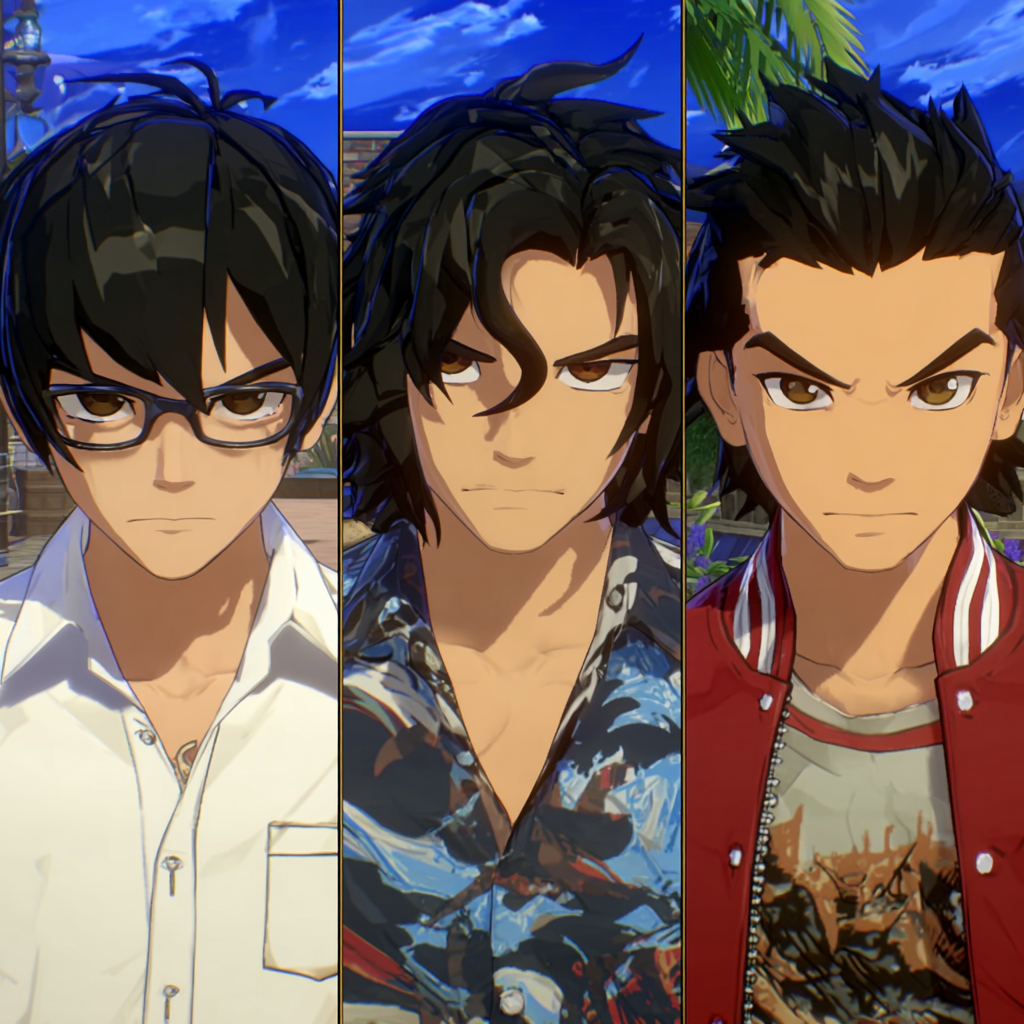
But honestly, the real entertainment comes from observing how the three Pangilinan brothers have each developed their own distinctive character builds, like someone spent serious time customizing their avatars for maximum personality expression.
Benjamin trails behind his parents like the party’s designated intellectual specialist, and his entire appearance screams “smart kid who’s embraced the scholarly aesthetic with zero apologies.” The eyeglasses perched on his nose are serious prescription strength—the kind that suggest he’s probably been dealing with nearsightedness since elementary school and has learned to make corrective lenses part of his personal brand rather than something to hide.
His outfit choice is legitimately impressive in its commitment to formal sophistication. The kid’s wearing what can only be described as “smart casual meets teenage academic,” with a button-down shirt and jeans. The addition of a tie suggests he’s either heading to a job interview or he’s decided that vacation doesn’t mean abandoning his commitment to looking like he belongs in a boarding school catalog.
His dual-display wristwatch catches the lobby lighting with the kind of technical precision that makes gadget enthusiasts weep with envy. The thing probably tracks everything from local time zones to tide schedules, and knowing Benjamin’s apparent appreciation for preparedness, it’s probably synchronized to atomic time standards just because accuracy matters.
The sling bag draped across his shoulder looks like it could contain everything from backup chargers to emergency study materials—the kind of comprehensive personal inventory that suggests he’s approached this vacation with the same methodical planning that other people reserve for actual military operations.
James represents the complete opposite end of the personality spectrum, embodying what appears to be “aspiring musician meets fashion influencer” energy that would fit perfectly in a coming-of-age film about teenage self-discovery through artistic expression. The headphones draped around his neck aren’t just audio equipment—they’re a fashion statement that immediately communicates his priorities and interests to anyone within visual range.
The headphones connect to an MP3 player tucked securely in his pocket, and I can practically guarantee the device contains a carefully curated playlist that represents months of musical research and personal taste development. This is clearly someone who takes his audio consumption seriously, probably spending significant time organizing playlists for different moods, activities, and social situations.
His outfit reflects genuine attention to current fashion trends—not the kind of desperate trend-chasing that happens when kids try too hard to fit in, but the confident style choices of someone who actually understands how clothing works as personal expression. Everything from his jeans to his graphic t-shirt and open polo suggests he’s been paying attention to what’s currently popular while filtering it through his own aesthetic preferences.
Even though his guitar is at the back, there’s something about his posture and the way he moves that suggests musical muscle memory—like his hands are unconsciously positioned for chord changes and his internal rhythm section is constantly running background beats that only he can hear.
Michael completes the trio as the family’s designated athletic powerhouse, and his entire appearance functions as a walking advertisement for his basketball dedication. The red varsity jacket he’s wearing isn’t just clothing—it’s armor that communicates his team affiliation, athletic achievements, and personal identity all in one highly visible package.
The jacket features what appears to be a lion logo that probably represents his school’s team mascot, along with his last name printed on the back with the kind of bold lettering that makes sure everyone knows exactly which athlete they’re looking at. This isn’t casual sportswear—this is earned gear that represents hours of practice, team commitment, and probably some legitimate athletic accomplishments that justify the prideful display.
When he’s not in the full varsity jacket ensemble, his backup outfit apparently consists of Red Lions tank top and shorts that maintain the team branding while accommodating different weather conditions or activity requirements. It’s the kind of consistent style choice that suggests basketball isn’t just a hobby for this kid—it’s a core component of his personal identity.
His basketball serves as both accessory and fidget device, constantly spinning on his finger with the kind of unconscious dexterity that comes from thousands of hours of ball-handling practice. The spinning motion is mesmerizing in that way that only comes from watching someone perform a skill they’ve completely mastered—like seeing a guitarist absentmindedly pick out complex melodies while having a conversation about something completely unrelated.
Mary and Sophie represent the family’s designated sisterly support unit, with Mary clearly operating in protective big sister mode as she maintains careful supervision over her younger sibling. Mary’s got that particular alertness that comes from being entrusted with important family responsibilities, her hand firmly but gently holding Sophie’s smaller one while scanning the resort environment for potential hazards or interesting attractions.
Sophie herself is still in the early stages of developing her personal style identity—unlike her brothers, who’ve clearly figured out their aesthetic preferences and committed to specific character builds. Right now, she’s experimenting with what appears to be a “classic little girl” theme involving headbands, dainty yellow dresses, and carefully coordinated accessories that suggest someone (probably their mother) is helping her explore different style options without pushing her toward any particular direction.
The yellow dress she’s currently wearing has that perfect balance of comfortable and pretty that makes practical sense for resort activities while still looking special enough for family vacation photos. Her headband adds a touch of coordinated color that suggests attention to detail without being overly fussy, and her matching accessories complete a look that’s age-appropriate while still allowing room for personal preference development.
As they move toward the resort’s registration desk, the family formation maintains its cohesion while allowing each member to express their individual personalities through their chosen appearance and behavior. It’s like watching a well-balanced RPG party where everyone’s found their preferred character class and learned to work together effectively while still maintaining their distinct specializations.
Honestly? There’s something beautiful about seeing how families develop their own internal dynamics while still functioning as a coordinated unit, each person contributing their unique strengths to the overall group success.
Boss_battle_fashion_edition.sav
The Sevilla family crashes through the resort lobby entrance thirty minutes behind schedule like they’re making a dramatic entrance in a telenovela where punctuality is less important than maximum visual impact. I watch this spectacle unfold with the kind of fascination reserved for witnessing legendary cutscenes that prioritize style over substance.
Thalia leads the formation like she’s activating some kind of “Grand Entrance” special ability that’s designed to draw every available eyeball in a fifty-foot radius. Her oversized hat could probably provide shade for a small gaming setup, and it floats above her head like a designer UFO that’s somehow achieved perfect aerodynamic balance despite defying all known laws of practical headwear physics.
The flowing dress she’s sporting moves with the kind of ethereal grace that costume designers spend months perfecting for fantasy movie characters. The fabric catches the lobby’s air conditioning currents and creates these hypnotic wave patterns that would make physics engine programmers weep with appreciation. Every step she takes generates a small tornado of visual drama that transforms ordinary resort lobby walking into something that belongs on a fashion runway.
Her entrance strategy is legitimately effective—conversations pause mid-sentence as other resort guests execute involuntary head-turn animations, their attention immediately hijacked by whatever supernatural charisma field she’s apparently broadcasting. It’s the kind of crowd control that most people couldn’t achieve even if they tried, but she makes it look effortless.
Enrico trails behind her like a support character who’s suddenly realized he’s been cast in a completely different genre than what he signed up for. The guy’s facial expression cycles through what appears to be a complex emotional subroutine involving embarrassment, resignation, and that particular brand of husband-induced cringe that happens when your spouse decides to activate maximum attention-drawing protocols in a public space.
His body language screams “I would prefer to be invisible right now” as he attempts to minimize his own presence while simultaneously staying close enough to fulfill his designated husband duties. The contrast between Thalia’s dramatic flair and his obvious desire for low-profile operation creates a comedy dynamic that would fit perfectly in a sitcom about mismatched personality types.
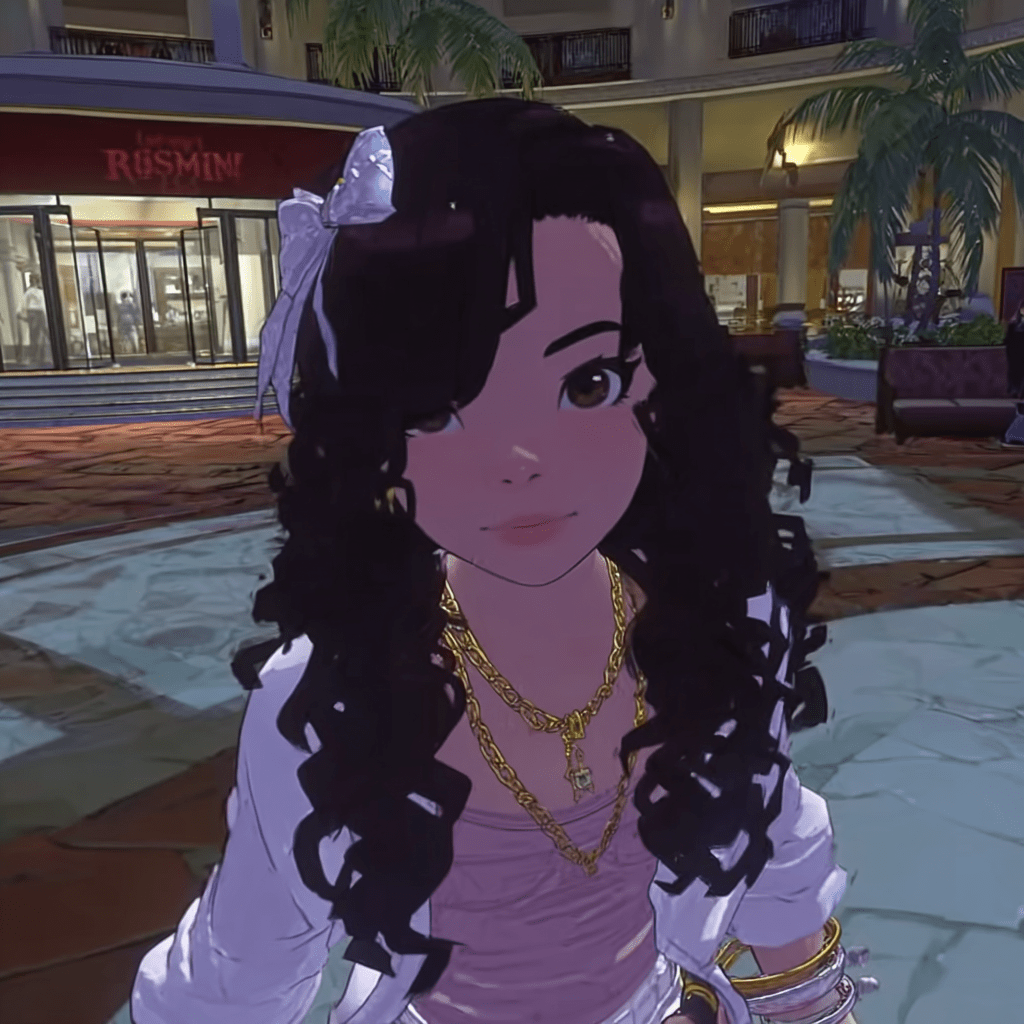
But the real fashion boss battle comes courtesy of Allison, who’s apparently decided that “subtle” is a word that doesn’t exist in her personal vocabulary database. The kid has completely transformed her usual aesthetic from “normal seven-year-old” to “miniature pop star preparing for a red carpet event.”
Her hairdo is loose waves that somehow stay perfectly positioned despite what must be significant humid coastal air exposure. The bow crowning this masterpiece looks like it was selected by someone who believes that hair accessories should be visible from satellite imagery.
The pink sunglasses perched on her nose aren’t just eye protection—they’re a fashion statement that literally colors her entire worldview with rose-tinted optimism. She’s seeing the beach through actual rose-colored lenses, which is either poetic metaphor come to life or the most literal interpretation of that phrase in recorded human history.
Her jewelry collection appears to have been sourced from someone who believes that gold accessories work on the “more is more” principle. The earrings, necklace, and bracelet create a coordinated ensemble that catches the lobby lighting like a miniature disco ball, generating enough sparkle to power a small rave.
The outfit itself represents a masterclass in maximalist fashion choices: bolero over tube top suggests formal-meets-casual fusion, while the large belt over her miniskirt creates visual emphasis that probably requires its own zip code. The high-heeled boots complete this look with the kind of dramatic footwear that suggests she’s prepared for any terrain from poolside to potential modeling opportunities.
Even her luggage participates in the glamour offensive, sparkling with enough glitz to qualify as a light source. The thing probably glows in the dark and could serve as emergency signaling equipment if they ever get stranded on a desert island.
Honestly? Watching this family operate is like witnessing a real-time demonstration of different approaches to vacation preparation—some people pack practical clothes and aim for punctuality, while others apparently decide that beach trips are opportunities to debut their personal fashion collections and make grand entrances that transform ordinary resort lobbies into stages for impromptu performance art.
Loading_screen_romance_protocol_activated.sav
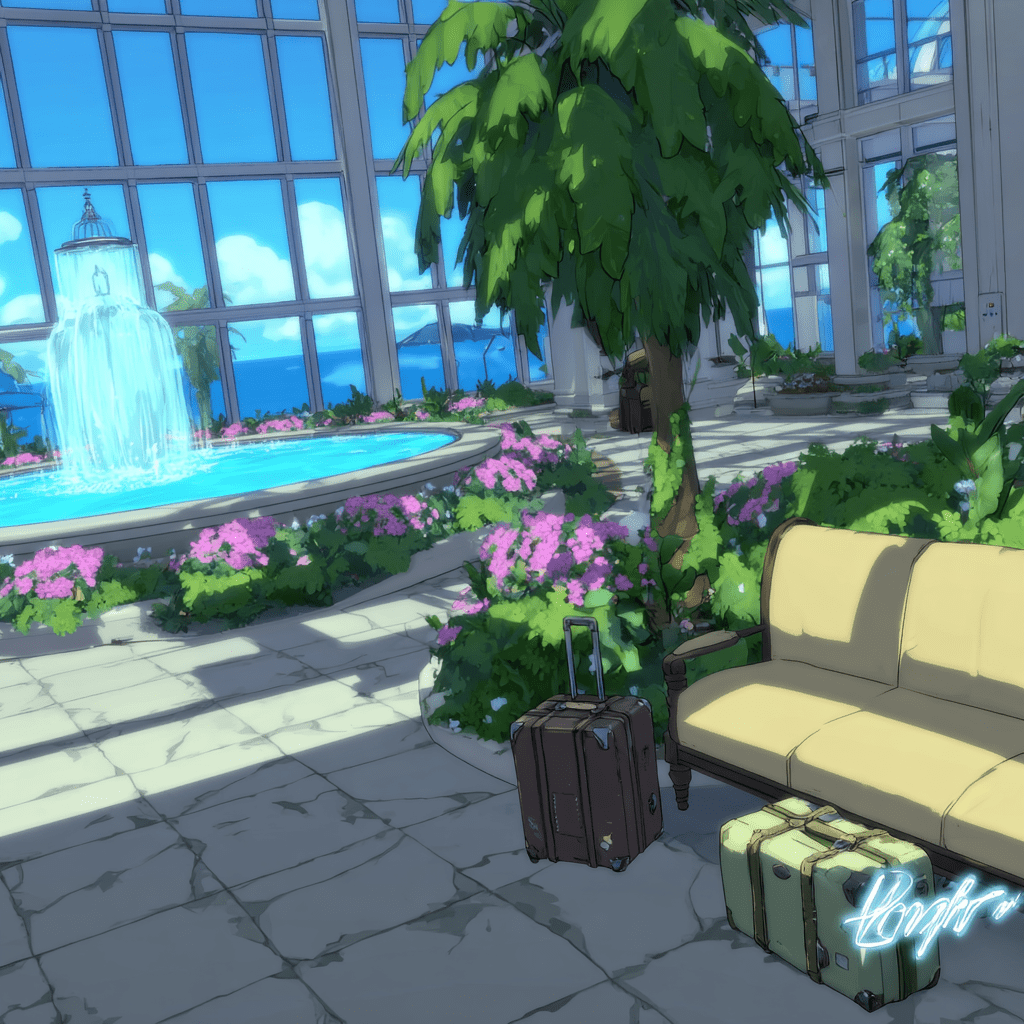
Morissette brings up the rear of the Sevilla entrance parade like a dedicated support character who’s been assigned the thankless task of managing the team’s entire inventory system while the main characters focus on making dramatic impressions. I observe this luggage logistics nightmare unfold with the kind of sympathy reserved for watching NPCs struggle with physics glitches that make simple tasks unnecessarily complicated.
The poor woman’s wrestling with what appears to be enough bags to supply a small army’s worth of fashion requirements, her arms straining against the weight of Thalia’s overstuffed suitcases that probably contain more dresses than most people own in their entire lifetime. Morissette’s dark hair has become slightly disheveled during the luggage transportation battle, and her attire shows clear signs of combat stress from wrestling with designer luggage that was clearly optimized for appearance rather than functional weight distribution.
Her breathing is slightly labored—not from lack of fitness, but from the sheer physics challenge of moving multiple heavy bags while maintaining the professional composure that her job requires. Sweat beads at her temples despite the lobby’s air conditioning, and her expression carries that particular focus that comes from someone trying to complete a complex task without dropping anything valuable or embarrassing herself in front of resort guests.
“Can I help you with the luggage, Miss?”
The voice cuts through the lobby’s ambient noise like a perfectly timed audio cue in a romance game cutscene. My mental radar immediately identifies this as the moment when side character development is about to shift into main character territory, because that tone carries way more genuine concern than standard customer service programming would require.
“It’s okay, I can manage,” Morissette responds with the kind of polite refusal that suggests she’s been trained to handle difficult situations independently rather than burden other people with her responsibilities. Her voice carries professional courtesy but also hints of fatigue that she’s trying to mask behind practiced competence.
“I insist,” the mystery voice continues, and I can practically hear the romantic background music starting to swell as the scene transitions from ordinary luggage logistics into something that belongs in a different genre entirely.
The owner of the voice steps forward with the kind of confident grace that immediately signals “this character is about to become plot-relevant,” and when Morissette turns to thank her unexpected assistant, the entire scene undergoes what can only be described as a cinematic time dilation effect.
Carlisle—because of course it’s the Kennedy family’s impossibly dashing butler—stands before her like he’s been rendered by the universe’s premium character design team. The guy’s got that perfectly groomed appearance that suggests he either has supernatural genetics or access to professional styling services that most mortals can only dream about. His green eyes catch the lobby lighting with the kind of intensity that romance novel cover artists spend hours trying to capture, and his smile reveals teeth so white they could probably be used as emergency signaling devices.
Oh my God, I must be dreaming, Morissette’s internal monologue runs like dialogue from someone whose brain has just encountered a system error that requires immediate processing power reallocation.
Time seems to slow around them like someone activated bullet-time mode specifically for this romantic encounter, with all the peripheral lobby activity fading into soft-focus background while these two characters suddenly find themselves starring in their own private cutscene. The bustling resort lobby transforms into atmospheric staging for what’s clearly about to become a classic “love at first sight” scenario that would make dating simulation games jealous.
Morissette’s expression cycles through surprise, recognition, and something that looks suspiciously like the facial animation sequence that happens when character attraction meters suddenly spike into the red zone. Her pupils dilate slightly—probably from the psychological impact of unexpected eye contact with someone whose charisma stats are clearly maxed out—and her breathing shifts from luggage-wrestling fatigue to something that suggests her cardiovascular system has just received some interesting new stimuli.
Carlisle becomes the center of her universe with the kind of gravitational pull that usually requires special effects budgets to achieve properly. Everything else in the lobby—the marble floors, the palm plants, the other resort guests—suddenly exists as mere background decoration for this moment of connection that’s probably going to become the foundation for whatever romantic subplot is about to unfold.
Honestly? Watching this scene develop is like witnessing the exact moment when two people’s personal stories shift from running on separate storylines to sharing the same narrative arc, complete with all the dramatic timing and visual poetry that makes romance genres simultaneously predictable and irresistible.
Outdoor_warrior_meets_aspiring_celebrity.sav

The resort lobby suddenly transforms into a collision zone between two completely different character builds as Topher approaches his cousin like he’s executing a perfectly programmed NPC reunion sequence. I watch this family meetup unfold with the kind of fascination reserved for observing how different personality archetypes interact when their individual gameplay styles clash in real time.
Topher glides across the polished marble floor on roller skates that somehow manage to look both practical and slightly ridiculous in a luxury resort setting. The kid’s movement pattern resembles a cross between casual transportation and low-level parkour training, his balance shifting smoothly as he navigates around potted plants and other lobby obstacles with the confidence of someone who’s clearly logged serious hours in wheeled footwear mechanics.
His outfit represents what appears to be “urban survivalist meets nine-year-old adventure enthusiast”—a combination that suggests he’s either prepared for unexpected wilderness emergencies or he’s been watching too many outdoor exploration documentaries. The down gilet with hood provides that layered look that serious hikers use for temperature regulation, while the camouflage shirt underneath broadcasts his commitment to tactical aesthetics even in civilian environments.
The khaki pants complete his “ready for anything” ensemble with the kind of practical durability that suggests he’s optimized his wardrobe for activities that might involve dirt, climbing, or impromptu adventure scenarios. His water-resistant wristwatch catches the lobby lighting like a piece of legitimate survival gear, complete with timer and stopwatch functions that probably see regular use during his various outdoor training exercises.
Bill trails behind his son with the patient expression of someone who’s learned to accept that family gatherings often involve his child arriving via unconventional transportation methods. The guy’s wearing casual resort attire that suggests he’s mentally prepared for vacation mode, but his alert posture indicates he’s still operating in “supervising active child” mode until Topher successfully completes his cousin greeting protocol.
“Hey, Allison! Long time no see!” Topher’s enthusiastic greeting bursts from him like dialogue from an overeager NPC who’s been waiting months to deliver his programmed lines. His approach involves what can only be described as a “bro handshake-hug” maneuver—the kind of combination greeting that works perfectly among boys who’ve established their friendship through shared adventures and mutual respect for each other’s combat capabilities.
But here’s where the character class mismatch becomes immediately apparent: Allison responds with the kind of awkward body language that happens when someone receives social interaction input that doesn’t match their current character configuration. Her perfectly coordinated fashion ensemble and carefully maintained appearance suggest she’s optimized for social scenarios that prioritize elegance and visual presentation over the rough-and-tumble camaraderie that Topher’s greeting style assumes.
I’m a girl, you know, her internal monologue probably runs like someone whose character profile doesn’t include compatibility protocols for adventure-buddy interaction styles. Her facial expression cycles through polite confusion and gentle correction as she processes this greeting approach that treats her like she’s part of Topher’s usual outdoor exploration party rather than someone who’s clearly invested significant time in maintaining premium appearance standards.
“Cuz, good to see you again. Good morning, Uncle Bill,” Allison recovers with the practiced social grace of someone who’s learned to navigate awkward family interactions while maintaining her professional composure. Her voice carries warmth that’s genuine but filtered through the kind of polished delivery that suggests she’s been training for public speaking scenarios where every word matters.
“How’ve you been, Allison?” Bill asks with the kind of adult curiosity that comes from someone who’s genuinely interested in his niece’s development but also probably trying to shift the conversation toward safer social territory where both kids can operate comfortably.
“I’m doing great, Uncle. I’m confident I’ll ace my next commercial audition,” Allison replies, and suddenly her entire personality profile comes into sharp focus. This isn’t just casual conversation—this is someone whose life goals involve professional entertainment industry success, which explains everything from her carefully coordinated appearance to her discomfort with adventure-buddy greeting protocols.
Her pride in discussing her audition prospects suggests she’s treating her acting career with the same serious dedication that other kids reserve for competitive sports or academic achievements. The confidence in her voice indicates she’s not just dreaming about entertainment industry success—she’s actively working toward it with specific goals and measurable progress metrics.
“That’s the spirit, Allison. I know you’ll be a big star someday,” Bill responds with the kind of supportive encouragement that suggests he’s genuinely impressed by her ambition and commitment. His tone carries the warmth of someone who understands that pursuing entertainment industry success requires both talent and determination, and he’s clearly willing to provide the family support that helps young people chase their dreams.
“Thank you, Uncle. I hope your words come true,” Allison beams, and her expression transforms into something that would make casting directors take notes. Her smile suggests she’s not just hoping for success—she’s visualizing it with the kind of focused intention that turns dreams into actionable career plans.
The contrast between these two cousins creates fascinating family dynamics: Topher’s prepared for outdoor adventures and physical challenges, while Allison’s optimized for performance scenarios and public presentation. It’s like watching two different RPG character classes try to find common ground in their shared family quest line.
Honestly? These kinds of family reunions demonstrate how people can be related by blood but operate on completely different personality operating systems, each pursuing their own version of success while still maintaining the family connection that makes these interactions meaningful despite the obvious character build differences.
Family_drama_loading_screen_sister_edition.sav

The resort lobby suddenly transforms into the opening scene of a Filipino family drama where long-simmering tensions finally surface during what’s supposed to be a happy reunion. I observe this sisterly conflict unfold with the kind of fascination reserved for watching complex character dynamics explode in real time, complete with emotional damage calculations and relationship status updates that would make social media algorithms weep with confusion.
The initial sister meetup starts with textbook family reunion protocols as Thalia and Selena connect in what appears to be a genuine moment of sibling affection. Their embrace carries the weight of someone who’s been separated by more than just geographical distance—there’s emotional investment here that suggests years of maintaining family bonds across international time zones and cultural transitions.
Thalia’s oversized hat bobs slightly as she leans into the hug, her flowing dress creating dramatic visual effects that somehow manage to look both elegant and slightly ridiculous in the resort’s air-conditioned environment. Her facial expression radiates genuine happiness, the kind of unguarded emotion that only surfaces when people reunite with family members who’ve been genuinely missed rather than just socially obligated.
“Ate (Big Sister), I’ve missed you. You, Bill, and Topher need to come back to the Philippines more often,” Thalia declares with the passionate intensity of someone whose primary love language involves geographical proximity and frequent family gatherings. Her voice carries that particular Filipino family guilt-trip cadence that somehow manages to be both accusatory and loving simultaneously.
Selena’s response comes with the weary patience of someone who’s had this conversation multiple times across various communication platforms over the past several years. “You know how hectic life is in the U.S.,” she explains, and her tone suggests she’s developed a standardized answer for this recurring family discussion about international relocation priorities versus career logistics.
Her expression carries the complex emotional calculation that happens when people love their family but also recognize that adult life involves competing priorities that don’t always align with emotional preferences. The slight tension around her eyes suggests she’s probably dealing with guilt about the distance while simultaneously knowing that her current life situation doesn’t allow for easy solutions.
Enter Ellie, the youngest sister, who approaches this family reunion like she’s about to activate some kind of “constructive criticism” special ability that’s probably worked better in professional settings than family gatherings. Her smile carries the confident warmth of someone who genuinely believes she’s about to contribute something helpful to the situation.
“It’s great to have the three of us together again,” she begins with the kind of opening statement that suggests she’s either launching into prepared remarks or testing the emotional temperature before delivering more substantive content.
But then her facial expression shifts into what can only be described as “professional advisor mode” as she prepares to offer unsolicited fashion consultation services. “A moment ago, I noticed your hat was a bit over the top, Thalia. Maybe you should tone it down a little. Subtlety can go a long way. But of course, it’s just a suggestion.”
The words hang in the resort lobby’s air-conditioned atmosphere like a psychological grenade that’s just had its pin pulled. I can practically see the damage numbers floating above Thalia’s head as her emotional health points take a direct hit from what appears to be friendly fire delivered by someone who should be operating as an allied unit.
Thalia’s expression undergoes a complete transformation sequence that would make character animators take notes. The genuine happiness from her sister reunion gets replaced by something that looks suspiciously like “preparing for combat mode” as her eyes narrow and her jaw sets with the kind of determination that suggests diplomatic solutions are about to become unavailable.
“Your suggestion,” she mutters with the kind of cold precision that indicates her voice chat has just switched from team communication to hostile engagement protocols. The temperature drop in her tone could probably power the resort’s air conditioning system for the next several hours.
Ansel—who’s been observing this family drama unfold from his strategic position near the luggage management area—executes what appears to be a concerned husband expression as he watches his wife’s emotional status indicators rapidly shift from green to red. Don’t push it, Ellie. This isn’t the time or place, his internal monologue probably runs like someone watching a teammate make tactically questionable decisions that are about to result in party-wide consequences.
His body language suggests he’s calculating whether to intervene directly or maintain his current position and hope that someone with better diplomatic skills can resolve this situation before it escalates into the kind of family conflict that turns vacation experiences into therapeutic processing material.
Selena immediately recognizes the crisis developing and switches into damage control mode with the practiced efficiency of someone who’s probably mediated similar sister conflicts throughout their family history. “Thalia, come on. Topher is waiting to catch up with his godmother,” she says, employing what appears to be “redirect attention to positive family obligations” strategy while physically guiding her sister away from the conflict zone.
Her intervention technique involves gentle but firm physical guidance combined with reminder protocols about family priorities that should theoretically override personal grievances. It’s the kind of diplomatic maneuvering that suggests she’s developed expertise in conflict de-escalation through extensive experience with sister drama management.
But Thalia’s emotional processing system appears to be running some kind of revenge calculation subroutine that’s interfering with peaceful resolution protocols. “Hold me back, Selena. I’m about to pull that brat’s hair out,” she declares with the kind of specific threat detail that suggests she’s moved beyond general anger into tactical planning phases.
“We’re the older sisters, Thalia. We’re supposed to be the ones who understand her and show patience,” Selena responds with the wisdom of someone who’s clearly spent time thinking about family dynamics and responsibility hierarchies. Her tone carries that particular blend of authority and gentleness that comes from someone who’s accepted their role as the family’s primary emotional intelligence coordinator.
“She treated me like one of her patients when she was a shrink,” Thalia retorts, and suddenly the deeper context of this sister conflict becomes clear. This isn’t just about fashion criticism—this is about professional boundaries bleeding into family relationships in ways that create ongoing resentment and communication problems.
“A career counselor,” Selena corrects with the patience of someone who’s probably had to make this clarification multiple times during previous family discussions about Ellie’s professional background and its impact on family interaction patterns.
Honestly? Watching family drama unfold in real time is like observing a complex multiplayer scenario where everyone’s operating with different rule sets and victory conditions, but they’re all supposed to be on the same team. Sometimes the most challenging boss battles happen within your own party.
Endgame_reflection_mode_family_legacy_edition.sav
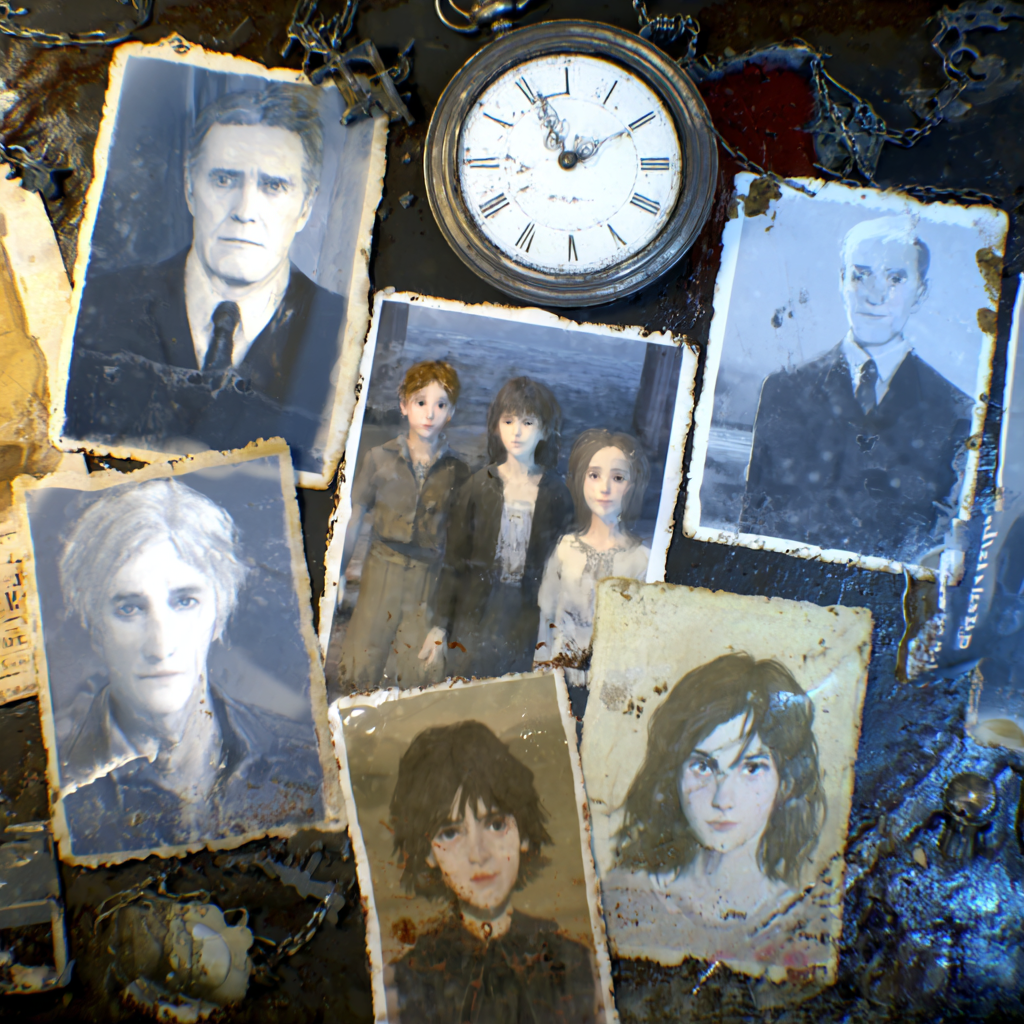
While the sister drama unfolds center stage, Al and Emily occupy the resort lobby’s designated observation zone like veteran players who’ve unlocked the wisdom that comes from completing multiple family story campaigns over several decades. I notice how they’ve positioned themselves on a comfortable couch that provides optimal viewing angles for the ongoing family reunion dynamics, their body language suggesting they’re operating in contemplative spectator mode rather than active participant status.
Emily sits with the kind of careful posture that comes from someone who’s learned to manage the physical limitations that accumulate through extended gameplay in the senior demographic. Her white hair is styled with the practical elegance of someone who’s mastered the art of looking dignified without requiring extensive daily maintenance protocols, and her comfortable floral dress suggests she’s optimized her wardrobe for prolonged family event attendance rather than fashion statement objectives.
Her facial expression carries that particular emotional complexity that happens when people simultaneously experience joy and melancholy—like watching a beautiful sunset while knowing that darkness is approaching. The slight tremor in her hands and the careful way she adjusts her position suggest she’s dealing with the kind of physical challenges that come with advanced character levels, but her eyes remain sharp and focused as she tracks the various family interactions playing out across the lobby.
“I wish it could always be like this,” she says, and her voice carries the kind of wistful longing that makes me think about save states and the human desire to preserve perfect moments indefinitely. Tears begin forming in her eyes like emotional overflow indicators that suggest her happiness processing system is running at maximum capacity.
The tears aren’t from sadness—they’re from the kind of overwhelming gratitude that happens when people realize they’re experiencing something precious that can’t be permanently captured or repeated on demand. Her expression suggests she’s simultaneously living in the present moment while also processing the meta-awareness that this particular family configuration is temporary and fragile.
“We used to be one big family under the same roof. But as our children grew up, they left one by one, living separate lives in different places. It’s heartwarming to see them, their spouses, and our grandchildren together like this, even if just for a while,” she continues, her voice developing that particular quiver that happens when people are trying to maintain verbal coherence while their emotional processing systems are running background calculations about time, loss, and the inevitable progression of family life cycles.
Her words carry the weight of someone who’s witnessed the complete transformation of her family structure from a centralized household unit to a distributed network of independent family nodes that only occasionally sync up for special events. It’s like watching someone describe the evolution from local multiplayer to online gaming—technically superior in many ways, but missing something essential about the shared experience.
Al responds with the kind of gentle wisdom that comes from someone who’s developed advanced emotional intelligence through decades of marriage and family leadership experience. “Don’t cry, mahal (my love),” he says, and the Filipino endearment carries the weight of probably thousands of similar conversations where he’s provided emotional support during moments of family reflection.
His own posture suggests he’s dealing with similar physical limitations—the careful way he moves and the strategic positioning that maximizes comfort while maintaining dignity. His weathered hands reach toward Emily with practiced gentleness, and his expression carries that particular blend of strength and tenderness that develops when people have spent decades learning how to support each other through life’s various challenges.
“Life is short, and we’re getting old. Let’s cherish these happy memories. We can still make more, even with the little time we have left. And when we cross to the afterlife, we’ll carry these memories with us,” he continues, delivering this philosophical perspective with the calm acceptance of someone who’s reached the character level where mortality becomes an accepted game mechanic rather than something to fear or deny.
His words represent the kind of endgame wisdom that only becomes available after completing multiple life stages and unlocking the perspective that comes from understanding how temporary and precious these family gathering events actually are. It’s the difference between players who are still worried about immediate objectives versus those who’ve learned to appreciate the overall experience regardless of specific outcomes.
Into this moment of profound family reflection, Ronald returns carrying water from the drinking fountain like a support character who’s just completed a minor fetch quest and discovered that the main storyline has progressed significantly during his brief absence. His expression suggests he’s immediately recognized the emotional tone shift that’s occurred in the few minutes he was away from the family gathering central command area.
“I just left for a minute, and you’re already getting sentimental!” he declares with the kind of affectionate exasperation that comes from someone who’s witnessed this particular family dynamic pattern enough times to predict its development cycles with reasonable accuracy.
His tone carries genuine love mixed with gentle teasing—the verbal equivalent of someone who’s learned to navigate between respecting his parents’ emotional processing while also maintaining the lighter energy that keeps family gatherings from becoming too heavy with existential weight.
“The day won’t end without Ellie and Thalia getting into a fight, and Ate playing mediator between them. The kids will have a blast together—this only happens once a year, after all. We’ll see them like this again in a decade or so,” he continues, delivering this family behavior prediction with the confidence of someone who’s observed enough family reunion patterns to understand the standard dramatic arc that these events typically follow.
His words suggest he’s developed a meta-awareness of family dynamics that allows him to appreciate both the predictable elements (sister conflicts, mediation protocols, cousin bonding activities) while also recognizing the precious rarity of these complete family assemblies. It’s like having advance knowledge of a game’s storyline while still finding value in experiencing it again with different players and slightly modified variables.
Honestly? Watching this generational perspective shift is like observing how different player demographics approach the same game content—the grandparents are in reflection and legacy mode, while the middle generation is balancing nostalgia with practical family management, and the kids are just excited to access content that’s only available during special family event unlocks.


Leave a Reply