Overview:
| Greg and his wife Martha grill barbecue, watch the kids, and chat about family. Benjamin and his younger sisters, Mary and Sophie, build a sandcastle, while Michael swims out into the open sea with James, who floats calmly in the water. As the older brother, James manages to compromise with Michael, and they decide to ride a banana boat instead of the jet ski. |
Cooking_simulator_filipino_bbq_edition.sav
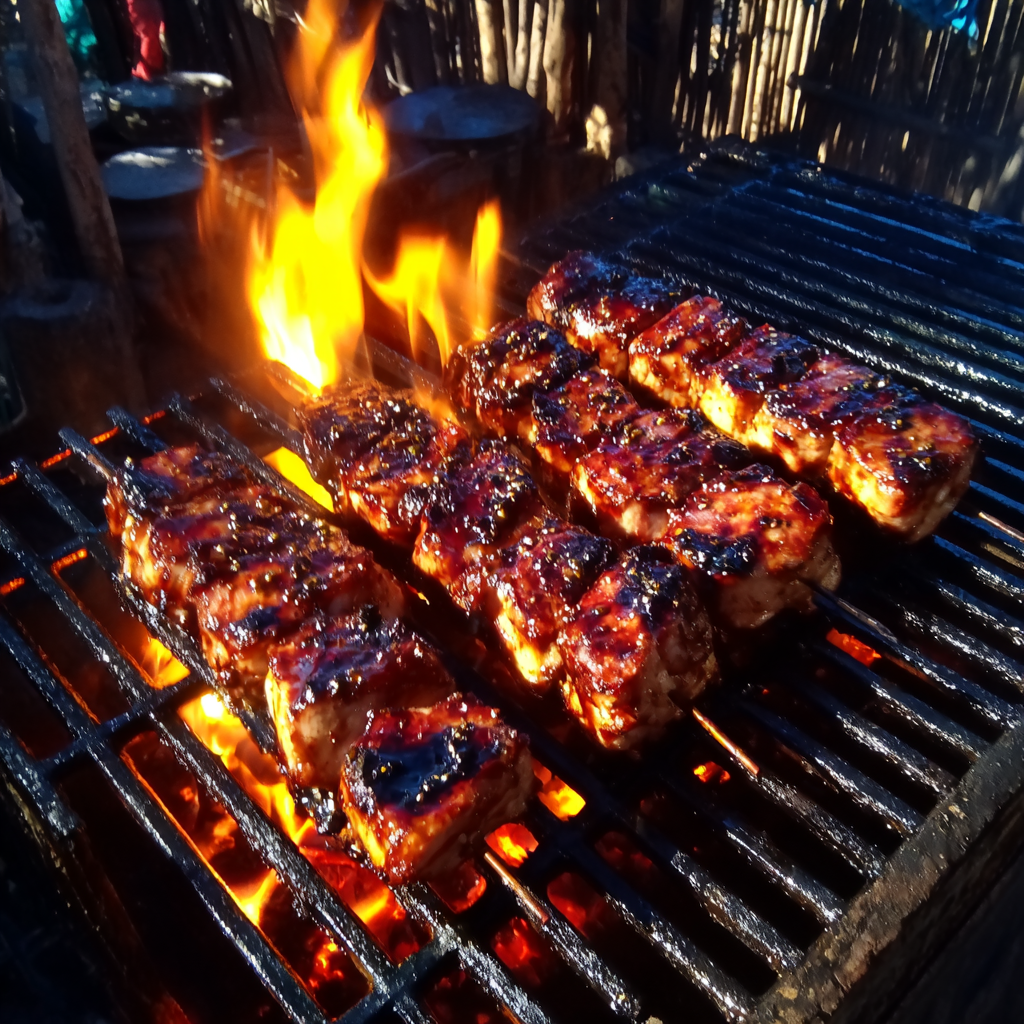
The beachside grilling station operates like a perfectly balanced cooking simulation where Greg has achieved master-level proficiency in Filipino BBQ preparation mechanics. I observe this culinary operation with the appreciation reserved for watching someone who’s clearly maxed out their cooking skill tree and developed the kind of muscle memory that makes complex food preparation look deceptively simple.
The afternoon sun beats down on the outdoor cooking area with tropical intensity, creating dramatic lighting effects across the grilling setup that would make food photographers weep with envy. Palm trees provide intermittent shade as their fronds sway in the ocean breeze, and the sound of distant waves creates the perfect ambient audio track for this family cooking operation. The air carries that distinctive combination of salt spray, grilling meat, and coconut sunscreen that immediately signals “premium beach vacation mode activated.”
Greg stands at his designated cooking station like a dedicated BBQ specialist who’s transformed meat preparation into something resembling performance art. His movements demonstrate the fluid efficiency that comes from someone who’s probably logged thousands of hours in grilling operations, each motion serving a specific purpose in the complex choreography of Filipino pork BBQ preparation.
The marinated pork slices await their transformation in neat piles that suggest serious organizational planning—to his left, raw meat arranged with military precision ready for skewering operations, while to his right, the first batch of completed skewers stands ready for grill deployment. The bamboo sticks thread through each piece with consistent spacing that indicates he’s developed standardized procedures for optimal heat distribution and cooking efficiency.
His technique involves threading the pork slices onto bamboo skewers with the kind of systematic precision that would make assembly line engineers proud. Each piece gets positioned to maximize surface area exposure while ensuring structural integrity during the cooking process—clearly someone who’s learned through experience that proper skewering technique directly impacts final product quality.
The grill itself radiates heat with the satisfied intensity of cooking equipment that’s reached optimal temperature after careful preheating protocols. Flames lick upward around the metal grates, creating that perfect combination of direct heat and smoky flavor infusion that transforms simple ingredients into something that could probably earn five-star reviews on any food delivery platform.
“How are the kids doing?” Greg asks while maintaining his focus on the grilling operation, demonstrating the kind of multitasking ability that comes from extensive experience in family event management. His voice carries the casual confidence of someone who’s learned to coordinate family logistics while simultaneously managing complex cooking procedures.
Martha operates in supporting role beside him, wielding what appears to be a makeshift fan to manage the smoke direction with the practiced efficiency of someone who’s clearly mastered the art of outdoor cooking assistance. Her movements suggest she’s developed her own specialized skill set in grilling support operations, redirecting smoke away from their cooking area while maintaining optimal air flow for consistent flame management.
“Benjamin, Mary, and Sophie are on the shore building sandcastles, and James and Michael are swimming in the sea,” she reports with the comprehensive situational awareness that comes from someone whose primary responsibility involves tracking multiple children across various beach activity zones simultaneously.
Her expression carries that particular alertness that parents develop when they’re managing family vacation activities—relaxed enough to enjoy the experience but maintaining enough surveillance capability to ensure everyone’s safety and entertainment levels remain optimal.
“Good to know they’re all doing fine,” Greg responds, his attention shifting between family status updates and the critical timing requirements of pork BBQ preparation. He examines the meat on the grill with the focused concentration of someone who understands that proper cooking requires constant monitoring and precise timing adjustments.
After exactly four minutes—his internal chronometer apparently calibrated through extensive grilling experience—he observes that one side of the pork has achieved the perfect balance of caramelization and doneness that represents successful Filipino BBQ technique execution. Before flipping the skewers, he reaches for his basting brush like someone accessing a critical crafting tool.
The basting process involves careful application of what’s probably a family recipe marinade that’s been optimized through generations of BBQ experimentation. His brush strokes are methodical and thorough, ensuring complete coverage that will enhance both flavor development and moisture retention during the remaining cooking cycle.
“Do we have any plans after lunch?” Greg inquires while monitoring the meat’s progress with the kind of divided attention that experienced cooks use to manage both immediate cooking requirements and broader family scheduling logistics.
“Ellie wants to take Itay (Father) and Inay (Mother) to the art booth. She thinks face painting would be fun for them. Ronald’s going with them too,” Martha shares, and her tone suggests this information represents the kind of detailed family activity coordination that probably required extensive negotiation and scheduling optimization.
The mention of face painting for the elderly grandparents creates an amusing mental image that suggests Ellie’s approach to family entertainment involves creative activities that probably stretch traditional generational comfort zones. It’s the kind of wholesome family bonding that would fit perfectly in a feel-good vacation movie where unexpected activities become treasured memories.
“That’s Ellie for you. She probably already has their whole day planned out,” Greg chuckles with the kind of affectionate recognition that comes from someone who’s observed his sister’s organizational tendencies enough times to predict her approach to family vacation management with reasonable accuracy.
His laughter suggests genuine appreciation for Ellie’s commitment to family activity optimization, even when her plans involve scenarios that might push family members outside their typical comfort zones. It’s the kind of sibling understanding that develops when people have spent decades observing each other’s personality patterns.
“And the others?” Greg continues, demonstrating the comprehensive family logistics awareness that comes from someone who’s learned that successful vacation coordination requires tracking multiple family units across various activity preferences and scheduling constraints.
“I heard the Sevillas are visiting the mango orchard nearby this afternoon,” Martha responds, delivering this intelligence with the efficiency of someone who’s clearly been monitoring the broader family vacation planning communications network.
“Mangoes? Is Thalia craving something? Maybe Enrico’s expecting a daughter,” Greg jokes, demonstrating the kind of family humor that involves making playful assumptions about relatives’ motivations while referencing traditional pregnancy craving stereotypes.
His comment represents classic brother-in-law teasing that walks the line between affectionate observation and gentle mockery—the kind of family humor that only works when people have established enough comfort and trust to make jokes about each other’s life choices without causing actual offense.
“Greg, you’re nuts! Stop kidding around,” Martha scolds with the kind of playful disapproval that suggests she’s genuinely amused by his speculation while also maintaining appropriate social boundaries about making assumptions regarding other people’s family planning decisions.
Her expression suggests she’s trying to suppress actual laughter while delivering the verbal correction that keeps his humor from crossing into potentially inappropriate territory. It’s the kind of marital dynamic that demonstrates long-term partnership experience in managing each other’s personality quirks during family social situations.
The afternoon continues with the steady rhythm of grilling operations, family status updates, and the kind of casual conversation that transforms ordinary vacation moments into the foundation for memories that will probably be referenced during future family gatherings for years to come.
Sandbox_mode_engineering_vs_fantasy.sav

The Laiya Beach shoreline transforms into an active construction zone where Benjamin operates like a dedicated civil engineer who’s decided to demonstrate proper building techniques using sand as his primary construction material. I observe this impromptu lesson in structural engineering with the kind of fascination reserved for watching someone apply real-world physics principles to what most people consider simple childhood entertainment.
The afternoon sun creates perfect lighting conditions across the beach’s construction site, casting shadows that highlight the texture and detail work being performed on what’s clearly becoming a serious architectural project rather than casual sand play. The ocean provides a constant background soundtrack of waves breaking against the shore, while seabirds provide occasional commentary that sounds suspiciously like they’re critiquing the building techniques being employed.
Benjamin approaches his sandcastle construction with the methodical precision of someone who’s clearly absorbed significant knowledge about structural engineering principles and decided to apply them to recreational beach architecture. His movements demonstrate the kind of systematic thinking that comes from someone who’s probably spent considerable time studying how things are built and why certain construction techniques work better than others.
The bucket he’s wielding looks like standard beach equipment, but under his guidance, it functions as precision construction tooling. He fills it with sand that’s been carefully mixed with water to achieve optimal consistency—not too wet to maintain structural integrity, but containing enough moisture to ensure proper compaction and adhesion between sand particles.
His technique involves adding water to create what he terms a “slurry,” which sounds like terminology borrowed from concrete construction manuals rather than typical beach vocabulary. The mixing process demonstrates genuine understanding of material properties, as he achieves the perfect balance between workability and structural stability that will determine whether his foundation can support the multi-level construction he’s clearly planning.
After allowing excess water to drain—because apparently he understands that proper water-to-aggregate ratios matter even in sand construction—he compacts the mixture using his foot with the kind of systematic pressure application that suggests he’s learned that uniform density distribution prevents weak points that could cause structural failure during the building process.
When he lifts the bucket, the reveal demonstrates textbook foundation construction: a solid, uniform base that shows no signs of cracking or settling. The sand structure maintains its shape with the kind of engineering precision that would make construction supervisors proud, clearly demonstrating that proper preparation and technique produce superior results compared to casual dump-and-hope approaches.
“Foundation is important. That’s where we start building,” Benjamin explains while tamping the sand with his feet to create a level surface for subsequent construction phases. His voice carries the confident authority of someone who’s absorbed fundamental engineering principles and enjoys sharing technical knowledge with anyone willing to listen.
His foot-tamping technique demonstrates understanding that structural stability requires proper preparation of load-bearing surfaces—each level must be perfectly flat and uniformly compacted to prevent differential settling that could compromise the entire structure. It’s the kind of attention to detail that separates serious builders from casual construction enthusiasts.
“Mary, make sure to place the towers close together so they don’t crumble,” Benjamin instructs his sister with the patient tone of someone who’s serving as both project manager and technical consultant for this family construction operation. His advice reflects genuine understanding of how spacing affects structural integrity in multi-element architectural projects.
Mary operates in a support role that combines technical assistance with creative input, her approach balancing Benjamin’s engineering focus with aesthetic considerations that will determine the final visual appeal of their collaborative project. She’s wearing a colorful swimsuit that’s already acquired a light coating of sand from her construction activities, and her expression carries the focused concentration of someone who’s taking her building responsibilities seriously.
Meanwhile, Sophie functions as the project’s detail specialist, wielding a plastic spackle tool—which looks suspiciously like actual construction equipment rather than typical beach toys—to create windows and doors with the kind of precision that suggests she’s been observing real architectural features and attempting to replicate them in sand form.
Her technique involves careful carving that removes sand in controlled amounts to create openings that actually resemble functional architectural elements rather than random holes. The plastic tool moves with deliberate precision as she shapes each window and door opening, clearly understanding that symmetry and proportion matter even in temporary sand construction.
Mary contributes intricate detailing using a melon baller that creates perfectly rounded decorative elements—probably representing architectural ornamentation or possibly functional elements like balconies or defensive installations. Her addition of these details demonstrates appreciation for the aesthetic components that transform basic structures into something that actually resembles historical castle architecture.
Sophie completes the construction phase by using a funnel to create the castle’s roof, which results in a conical top that looks remarkably professional for beach construction. The funnel technique produces clean geometric lines that would be difficult to achieve through hand-shaping alone, demonstrating that proper tool selection significantly impacts final construction quality.
With the physical construction complete, Mary transitions into storytelling mode, transforming their architectural achievement into the setting for what appears to be a classic fairy tale narrative. “This is the kingdom of a princess,” she begins, her voice taking on the dramatic cadence that kids use when they’re about to launch into serious imaginative storytelling.
“The king arranged a meeting between his daughter, the princess, and the prince she was betrothed to. At first, she was hesitant because she didn’t know him, but when they met, she fell in love at first sight. He wasn’t just handsome; he was kind too.”
Her narrative demonstrates fluency in traditional fairy tale structure and character development, complete with initial conflict, dramatic resolution, and the kind of romantic conclusion that Disney has trained generations of children to expect from princess stories. Her voice carries genuine enthusiasm for the storytelling process, suggesting she’s found ways to blend architectural appreciation with narrative creativity.
Sophie becomes completely absorbed in Mary’s fairy tale like she’s experiencing premium entertainment content, her eyes wide with the kind of engagement that happens when kids encounter stories that perfectly match their current interest algorithms. Her body language suggests total immersion in the fictional world that Mary’s creating around their sand construction.
Benjamin, however, experiences what appears to be mild narrative dissonance as his logical processing systems encounter story elements that don’t align with his understanding of how relationships actually develop in reality. The princess should have dated the prince a few more times before falling in love, his internal commentary runs like someone who’s applied critical thinking skills to romantic fiction and found the plot development insufficiently realistic.
But he demonstrates admirable emotional intelligence by keeping his critique to himself, clearly understanding that introducing logical analysis into his sisters’ imaginative play would probably result in reduced enjoyment for everyone involved. It’s the kind of diplomatic restraint that suggests he’s learned when to prioritize social harmony over technical accuracy.
“Fun fact: Did you know that the sand on Laiya Beach comes from the weathering of crushed shells?” Benjamin offers, attempting to redirect the conversation toward educational content that aligns more closely with his interests in scientific information and factual learning.
His timing suggests he’s hoping to introduce some geological education into the proceedings, possibly as a way to contribute content that feels more substantial than romantic fairy tales. The information is legitimately interesting and demonstrates his appreciation for understanding the natural processes that create the materials they’re using for construction.
However, Mary and Sophie remain completely enchanted by their sandcastle and its associated fictional narrative, their imaginations still operating in fantasy mode rather than educational content consumption. Their expressions suggest they’re far more invested in princes and princesses than geological formation processes, demonstrating how different personality types approach the same beach experience with completely different entertainment priorities.
Honestly? This scene perfectly captures how families navigate the challenge of different interest profiles during shared activities—the engineer wants to talk about construction techniques and geological facts, while the storytellers prefer romantic narratives and imaginative play, but somehow they all manage to collaborate on creating something beautiful together.
Aquatic_open_world_brother_dynamics.sav
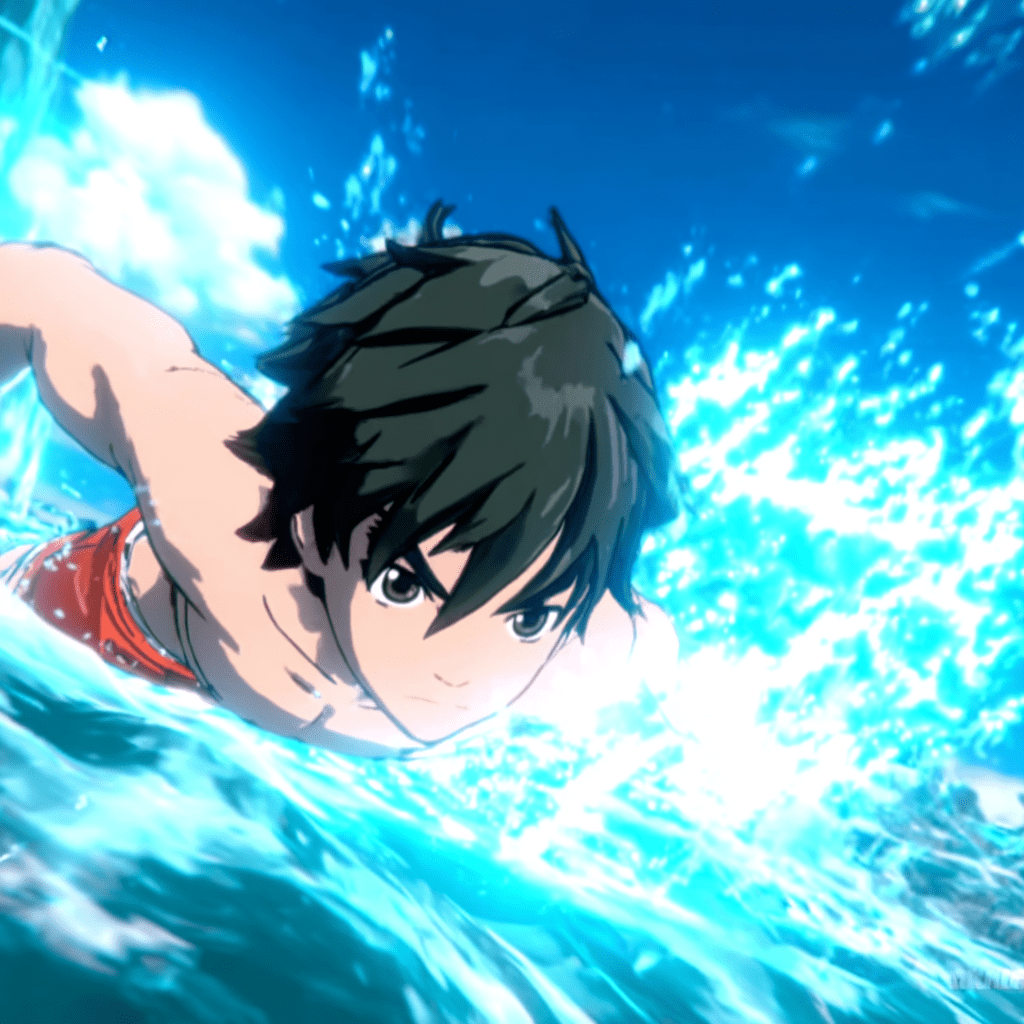
The sea stretches before the Pangilinan brothers like an infinite blue playing field where different gaming styles immediately become apparent through their contrasting approaches to aquatic entertainment. I observe this sibling dynamic unfold in the open water environment, noting how personality differences become amplified when people are literally in their element—or in this case, trying to figure out which element actually suits them best.
Michael attacks the ocean like he’s grinding experience points in an endurance-based water sports simulation, his freestyle swimming technique demonstrating the kind of aggressive efficiency that comes from someone who’s clearly spent significant time optimizing his aquatic movement patterns. His strokes cut through the water with mechanical precision, each arm rotation and breathing cycle calculated for maximum speed and energy conservation.
The kid’s clearly in his athletic element, his muscular build cutting through the waves with the confidence of someone who’s probably logged countless hours in competitive swimming environments. Water streams from his hair as he moves, and his expression carries that focused intensity that athletes get when they’re pushing their physical capabilities against measurable resistance.
Meanwhile, James floats nearby like he’s activated some kind of “zen meditation mode” that prioritizes mental relaxation over physical achievement objectives. His body language suggests complete surrender to the ocean’s natural rhythm, allowing the gentle swells to support his weight while he stares up at the tropical sky with the kind of peaceful expression that meditation apps try to help people achieve.
The contrast between their approaches is legitimately striking—Michael’s treating the ocean like a training facility where personal records need to be constantly improved, while James has apparently decided that water activities should involve maximum relaxation with minimal exertion. It’s like watching two different players approach the same open-world environment with completely opposite gameplay strategies.
The horizon displays a collection of fishing boats that dot the distance like NPCs going about their programmed daily routines, their silhouettes creating a postcard-perfect backdrop that reminds everyone this is still a working body of water despite its resort playground applications. The boats add authentic local color to the scene while maintaining safe distance from the designated tourist swimming areas.
Michael powers his way toward the boundary markers that separate the safe swimming zone from open ocean territory, his competitive instincts apparently testing the limits of what’s officially considered acceptable recreational swimming boundaries. For a moment, his expression suggests he’s calculating whether crossing into unauthorized water areas would be worth the potential consequences.
But then his attention gets hijacked by something that immediately activates his “extreme sports opportunity detected” protocols: a jet ski operation that’s clearly targeting the adventure-seeking demographic with promises of high-speed aquatic thrills.
“Hey, how about we rent a jet ski, Sleeping Beauty?” Michael calls out, employing the kind of playful mockery that brothers use when they want to motivate each other toward more exciting activities. The nickname suggests he’s noticed James’s commitment to minimal-energy floating and decided some gentle embarrassment might inspire more adventurous participation.
“I don’t know how to operate a jet ski—or any vehicle, for that matter,” James responds with the honest self-assessment that comes from someone who’s apparently never felt compelled to master mechanical transportation systems. His tone suggests this isn’t insecurity talking—just practical recognition of his current skill limitations.
“And you call yourself a man?” Michael fires back with the kind of brother-specific teasing that questions masculinity through vehicle operation competency. It’s classic sibling psychology designed to trigger competitive responses through targeted ego challenges.
“Fine, I’ll do it myself,” Michael declares with the confidence of someone who believes that athletic ability automatically translates to mechanical equipment mastery—a logic pattern that would probably concern any responsible adult supervising this conversation.
“That’s not happening—you’re still a kid,” James counters, demonstrating the kind of older brother protective instincts that prioritize safety over adventure, even when it means disappointing someone who’s clearly excited about potential high-speed water activities.
“Bummer. You’re no fun,” Michael huffs with the distinctive disappointment tone that happens when reality conflicts with desired entertainment options. His expression shifts to mild annoyance as he processes this setback to his aquatic adventure planning.
But James demonstrates solid conflict resolution skills by immediately offering alternative entertainment options that might satisfy Michael’s need for excitement while staying within acceptable safety parameters. “How about the banana boat? It’s still fun,” he suggests, clearly understanding that successful brother management requires providing substitute activities rather than just shutting down ideas completely.
The suggestion works like a perfectly timed redirect command that immediately restores Michael’s enthusiasm levels to optimal settings. “Great idea! Let’s go—they’re boarding right now!” he shouts, his mood executing a complete recovery sequence as he spots other tourists gathering around what’s apparently a banana boat operation that’s about to commence passenger loading procedures.
Michael immediately transitions from disappointed jet ski wannabe to excited banana boat participant, racing through the water toward the activity staging area with renewed energy that suggests his entertainment requirements have been successfully met through alternative means.
James follows with the relieved expression of someone who’s successfully navigated a potential sibling conflict while maintaining both safety standards and family harmony. His swimming pace suggests he’s happy to participate in group water activities that don’t require individual vehicle operation skills or questionable decision-making about safety boundaries.
Honestly? Watching brothers negotiate their different approaches to adventure and risk management is like observing a real-time demonstration of how family relationships balance individual desires against collective safety concerns, usually resulting in compromise solutions that somehow manage to keep everyone reasonably satisfied.
Water_physics_engine_adrenaline_mode_activated.sav
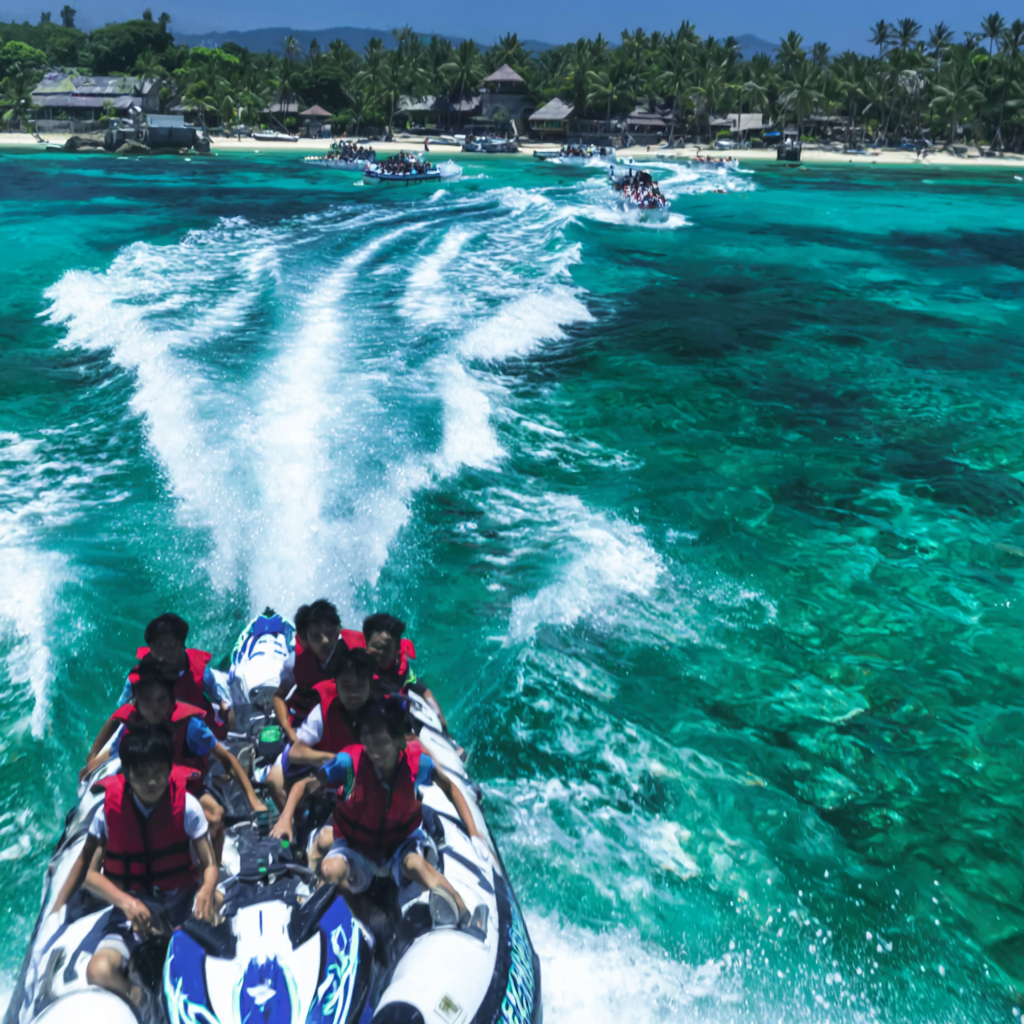
The banana boat staging area operates like a water sports loading zone where Michael approaches the ferryman with the kind of unshakeable confidence that usually precedes either legendary victory or spectacular failure. I observe this pre-ride negotiation unfold with the fascination reserved for watching someone whose personality settings are clearly configured for maximum boldness regardless of context or consequences.
The ferryman stands like a weathered NPC who’s probably processed thousands of tourist requests but still maintains enough situational awareness to identify potential liability issues when they present themselves. The guy’s probably in his forties, with sun-darkened skin that suggests years of outdoor marine operations, wearing the kind of practical shorts and tank top that prioritize functionality over fashion in tropical working environments.
His expression carries that particular blend of professional patience and mild skepticism that comes from dealing with enthusiastic tourists who may or may not understand the safety protocols required for water-based entertainment activities. His eyes scan Michael’s compact athletic frame with the calculating assessment of someone who’s learned to evaluate rider suitability through extensive experience in aquatic adventure management.
“Where are your parents, boy?” the ferryman asks with the tone of someone who’s clearly identified a potential supervision gap that could complicate his operational procedures if things go sideways during the ride.
Michael’s response demonstrates exactly why some kids probably shouldn’t be allowed to negotiate their own entertainment contracts. “Even though I’m smaller than you, I can still kick your butt, you know,” he fires back with the kind of aggressive bravado that suggests he’s confused physical confidence with diplomatic effectiveness.
His posture shifts into what appears to be “intimidation mode” despite the obvious size differential between an eleven-year-old athlete and a full-grown adult who operates heavy marine equipment for a living. His chest puffs out slightly, and his jaw sets with the determination of someone who’s clearly prepared to escalate this conversation toward unnecessary conflict rather than accept reasonable adult supervision requirements.
James immediately recognizes this situation as heading toward potential disaster and activates his diplomatic intervention protocols. “There’s no need for that, Michael,” he says while stepping forward to assume negotiation responsibilities, clearly understanding that successful problem-solving requires someone with better social calibration than his brother currently possesses.
“I’m his older brother, and I’m fourteen. I’ll accompany him on the banana boat. Is that okay?” James addresses the ferryman with the kind of respectful competence that immediately signals he’s capable of handling supervisory responsibilities during water activities.
His approach demonstrates genuine maturity in recognizing that adult concerns about safety aren’t personal attacks but legitimate operational requirements that need to be satisfied through appropriate communication rather than threatened violence. His expression carries the patient professionalism of someone who’s learned that family management sometimes requires stepping in when siblings make questionable tactical decisions.
“Fine,” the ferryman agrees with the reluctant acceptance of someone who’s identified an acceptable compromise that meets his safety requirements while allowing the paying customers to access their desired entertainment experience.
The banana boat itself looks like something designed by engineers who decided that aquatic entertainment should be both thrilling and slightly ridiculous. The inflatable vessel’s bright yellow construction creates a banana-shaped profile that’s impossible to take seriously, while its engineering demonstrates legitimate attention to passenger safety and ride stability.
The central yellow tube provides the primary seating surface, flanked by two smaller stabilizing tubes that function as footrests and grab points for riders who need additional security during high-speed aquatic maneuvers. The whole contraption gets towed behind the ferry like a flexible trailer that’s designed to amplify every movement of the water surface into passenger entertainment.
Seven riders total prepare for this aquatic adventure: five adults claim the front positions with the wisdom of people who’ve probably learned that forward placement provides better stability and control during towed water activities. James positions himself in the middle seat like someone who’s calculated the optimal balance between adventure and safety, while Michael insists on claiming the back position that will obviously provide maximum excitement and minimum stability.
“Bonkers! Do we really have to wear these annoying life jackets?” Michael complains while struggling with the safety equipment that clearly wasn’t designed with comfort as the primary consideration. His expression suggests he views mandatory safety gear as unnecessary interference with his entertainment objectives rather than potentially life-saving equipment.
The life jackets themselves look like standard marine safety equipment—bright orange foam padding wrapped in durable fabric that’s been optimized for buoyancy rather than fashion appeal. The straps and buckles require careful adjustment to ensure proper fit, and Michael’s fidgeting suggests he’s more interested in getting to the fun part than properly securing his safety equipment.
“They’re for our safety. Hold onto me—you might fall off,” James reasons with the patient tone of someone who’s clearly accepted his role as the responsible party in this aquatic adventure partnership. His voice carries genuine concern mixed with the kind of protective instinct that older siblings develop when they realize their family’s safety record depends on their decision-making skills.
But Michael’s excitement levels have apparently reached maximum capacity, overwhelming any concerns about safety protocols or potential consequences. “No way! I’m having the time of my life!” he shouts while raising his fists in triumph as the ferry begins towing them through the waves.
His expression radiates pure adrenaline-fueled joy as the banana boat starts moving and water begins splashing around them in patterns that suggest they’re about to experience the kind of aquatic physics lesson that theme parks charge premium prices to provide. His body language suggests complete commitment to maximizing this experience regardless of safety recommendations or common sense protocols.
The ferry boat pulls them through the water with steady mechanical power, creating wake patterns that translate into bouncing, twisting motion for the banana boat passengers. Water splashes in every direction as they cut through the waves, and the combination of speed, water spray, and unstable seating creates exactly the kind of chaotic entertainment that some people pay good money to experience.
From a distance, the entire operation looks like a real-life demonstration of physics principles involving drag, buoyancy, and momentum transfer—the ferry and banana boat creating a connected system that moves across the vast blue ocean like toys being operated by someone with an appreciation for both engineering and entertainment.
The sea stretches endlessly around them, providing the kind of spectacular natural backdrop that makes even simple tourist activities feel epic in scale. The contrast between human-sized entertainment equipment and the infinite ocean creates perspective that reminds everyone that they’re essentially tiny passengers enjoying controlled adventure in an environment that could easily overwhelm them if respect for safety protocols disappears.
Honestly? Watching Michael embrace maximum excitement while James manages responsible supervision demonstrates how families navigate the balance between adventure and safety, usually resulting in experiences that satisfy everyone’s needs while maintaining enough caution to ensure happy endings.


Leave a Reply