Overview:
| Ellie playfully drags her elderly mother, Emily, to the art booth at the beach resort to introduce her to face painting. Nearby, Ansel watches as Grandpa Al gets a henna tattoo on his arm. Outside the booth, Uncle Ronald crosses paths with a vendor selling balisong, a traditional butterfly knife, while waiting. Over at the mango orchard, the Sevillas’ patriarch, Enrico, enjoys eating mangoes with his bare hands—much to the dismay of his wife Thalia and their daughter Allison, who are visibly grossed out. Later, Morissette confides in Thalia about her feelings for Carlisle, the Kennedys’ butler. Before leaving, the Sevillas make sure to buy some local mango delicacies. The beach day ends with the Pangilinans, Sevillas, Kennedys, and Agoncillos gathering for dinner and enjoying a fire dance performance by the shore at dusk. |
Character_customization_irl_face_paint_edition.sav
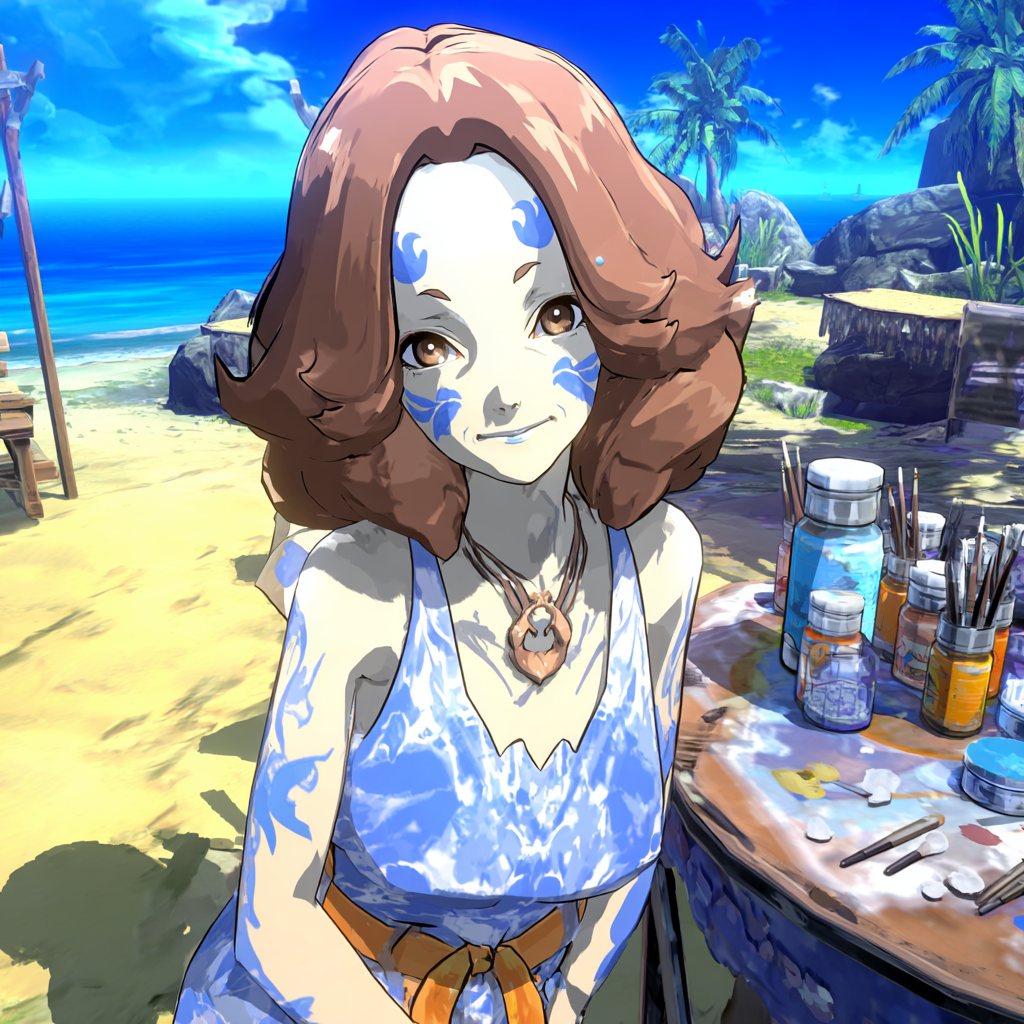
The art booth looks like something straight out of a festival scene from Avatar: The Last Airbender, complete with brushes, paints, and enough creative chaos to make Bob Ross weep tears of joy. I watch this family bonding moment unfold like I’m witnessing the most wholesome DLC content ever created—where the main objective is convincing your mom to let you turn her into an aquatic goddess.
Ellie sits there looking like she just stepped out of Mad Max: Fury Road after deciding that apocalyptic chic was her aesthetic for the day. Her face blazes with red, orange, and yellow flames that would make Johnny Storm jealous. The paint job is legitimately impressive—not some amateur hour finger-painting disaster, but actual artistic skill that suggests she’s been practicing her character design abilities outside of Photoshop.
The flames dance across her cheeks like they’re animated by some kind of Fire Emblem magic spell. Each brushstroke flows into the next with the kind of precision that comes from someone who’s spent serious time studying how fire actually moves and behaves. Tiny sun details peek through the flame patterns like Easter eggs hidden by a designer who actually cares about the details.
“Look, Inay, my face is blazing with flames! And notice the tiny suns. Face paint can work wonders!” Ellie declares while holding up a model mask that’s decorated with waves so realistic they look like they were ripped straight from Moana‘s animation team.
The mask itself is a masterpiece of blue, navy, and white that flows like actual water frozen in time. Whoever designed this thing understood color theory better than most video game artists. The wave patterns have depth and movement that make you want to reach out and touch them, just to confirm they’re not actually liquid.
Emily sits in her chair like an NPC who’s just been presented with a quest that sounds simultaneously appealing and terrifying. Her expression cycles through the kind of emotional processing that happens when your daughter wants to transform you into fantasy character artwork using your actual face as the canvas.
“I don’t know about this. You might turn me into a witch,” Emily responds with the kind of nervous laughter that suggests she’s genuinely concerned about what her reflection might show after this artistic experiment concludes.
Her hesitation is totally understandable—face paint is basically real-life character creation where you can’t just hit “undo” if the final result looks like something from a horror movie instead of a fantasy epic. But there’s also this underlying amusement in her voice that suggests she’s secretly curious about what her daughter’s artistic vision might produce.
The negotiation process that follows would make any RPG dialogue tree proud. Ellie employs a combination of enthusiasm, gentle persuasion, and probably some emotional manipulation that would make Persona characters take notes. Her approach involves demonstrating her artistic credibility through her own face paint while maintaining the kind of infectious excitement that makes resistance increasingly difficult.
Emily’s resistance crumbles slowly, like watching someone’s defenses get worn down by a persistent but lovable companion character who won’t take “no” for an answer. Her body language shifts from defensive to curious to resigned acceptance as she realizes that resistance is futile when facing this level of artistic determination.
Once the painting begins, Ellie transforms into something resembling Michelangelo if he had access to washable paints and a grandmother as his canvas. Her brush movements are deliberate and confident, following the model mask’s design with the kind of focused concentration that happens when artists enter their flow state.
Each brushstroke builds on the previous one like layers in a digital painting program. The white base goes down first, followed by the blue tones that create depth and movement. The navy accents add definition and contrast that make the whole design pop like professional-grade character artwork.
Emily’s expression gradually shifts from nervous anticipation to genuine surprise as she feels the cool paint being applied with careful precision. Her daughter’s artistic skill becomes increasingly apparent with each detail that gets added to the growing masterpiece covering her face.
“Take a look in the mirror, Inay. I told you—these white, blue, and navy waves with seafoam suit you perfectly. You’re now Mother Earth—no, Mother Sea!” Ellie exclaims with the triumphant satisfaction of someone who’s just completed a legendary crafting recipe and achieved exactly the result they were hoping for.
The final reveal hits like the moment when you finally see your custom character in the game’s opening cutscene. Emily’s transformation is complete—she’s gone from skeptical grandmother to aquatic deity, complete with wave patterns that flow across her features like she’s channeling Aquaman‘s Atlantean heritage.
Honestly? Watching this whole scene unfold is like experiencing the most wholesome mod ever created for real life, where the only objective is making your family members look awesome through the power of artistic creativity and unconditional love.
Skin_mods_tutorial_grandpa_edition.sav
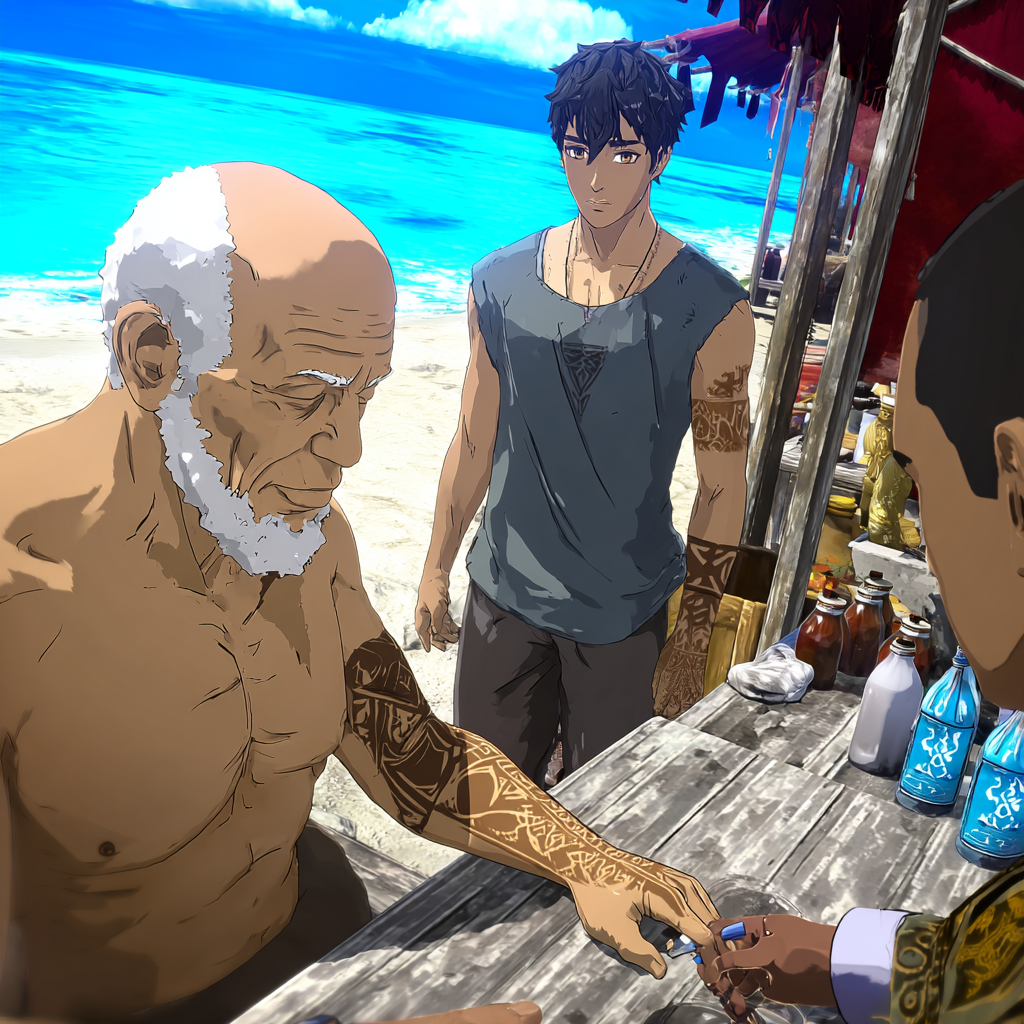
The henna station looks like something from a Cyberpunk 2077 body modification clinic, except way more wholesome and with zero chance of anyone getting chrome implants. I observe this unexpected character customization session where Grandpa Al has apparently decided that retirement is the perfect time to experiment with temporary aesthetic upgrades.
Al sits there looking like he’s about to unlock a new achievement: “Senior Citizen Gets First Tattoo at Age 70+.” His weathered bicep serves as the canvas for what’s shaping up to be some seriously impressive body art. The guy’s wearing a casual polo shirt that he’s rolled up to give the artist proper access, and his expression cycles between fascination and mild anxiety—like someone who’s simultaneously excited about the process and wondering if he’s made a terrible mistake.
The henna artist works with the focused precision of someone who’s mastered his craft through countless hours of practice. His hands move with steady confidence as he applies the dark paste in intricate patterns that flow across Al’s skin like they’re being drawn by some kind of advanced digital stylus. Each line connects to the next with mathematical precision that would make Geometry Dash players jealous.
“You should get one after me,” Al suggests to Ansel, who’s positioned across the table like a cautious observer watching someone else beta-test potentially dangerous new content.
Ansel’s expression immediately shifts into polite decline mode. “No thanks, Itay. I’m good.” His tone carries the diplomatic skills of someone who’s learned to navigate family suggestions without causing offense while still maintaining personal boundaries.
The guy looks comfortable in his khaki shorts and button-down, but his body language suggests he’s perfectly content being a spectator rather than a participant in this particular family adventure. Smart move, honestly—watching someone else go first is basically the real-life equivalent of reading user reviews before downloading questionable software.
“This isn’t permanent, right?” Al asks with the sudden concern of someone who’s just realized he might have signed up for something way more commitment-heavy than originally planned. His voice carries that particular note of panic that happens when people realize they may not have read the fine print carefully enough.
“No, sir. The design is only temporary. No worries,” the artist reassures him with practiced patience. He’s probably dealt with this exact question approximately ten thousand times, judging by how smoothly he delivers the reassurance without missing a beat in his artistic work.
“Good! My wife, Emily, would have a feat of rage if I came home looking like an old gangster,” Al says with visible relief flooding his features. The mental image of Emily’s potential reaction clearly involves scenarios that would make Grand Theft Auto cutscenes look tame by comparison.
His comment reveals the classic married-person calculation where adventure enthusiasm gets tempered by spouse approval algorithms. It’s like having to consider whether your gameplay choices will affect your relationship status in addition to your character development.
“Some people don’t consider henna as a tattoo because it’s not permanent. They call it body art, which makes a distinction,” the artist explains while continuing his intricate work. His educational approach suggests he’s encountered plenty of customers who needed clarification about the difference between temporary and permanent body modification options.
The design taking shape on Al’s bicep looks legitimately impressive—flowing patterns that suggest both artistic skill and cultural knowledge. Each element connects seamlessly with the others, creating something that looks like it belongs in a museum exhibit about traditional art forms rather than a beach resort activity booth.
“What’s the meaning behind this design?” Ansel asks, leaning forward with genuine curiosity. His question suggests he’s moved from cautious observer to actually interested spectator, which probably happens when you watch abstract art being created in real time on your father-in-law’s arm.
“It’s an abstract representation of different flowers,” the artist replies, and suddenly the swirling patterns make perfect sense. What initially looked like random decorative elements now reveal themselves as stylized botanical artwork that transforms Al’s bicep into a temporary garden.
“Who would’ve thought floral designs could make you look so badass, Tatay?” Ansel teases with the kind of affectionate mockery that only works between family members who’ve established solid rapport over years of shared experiences.
The comment hits perfectly because it’s true—somehow this delicate flower art has transformed Al from “grandfather at beach resort” to “grandfather who clearly has hidden depths and possibly a secret past involving motorcycle gangs.” It’s like watching someone apply a visual mod that completely changes how their character reads to other players.
Al’s grin suggests he’s genuinely pleased with how this experiment is turning out. The initial anxiety has been replaced by something resembling pride as he watches the final details being added to his temporary transformation.
Honestly? This whole scene proves that the best character customization happens when people are brave enough to try something completely outside their normal aesthetic comfort zone. Sometimes the most unexpected combinations create the most interesting results.
Street_vendor_random_encounter.sav
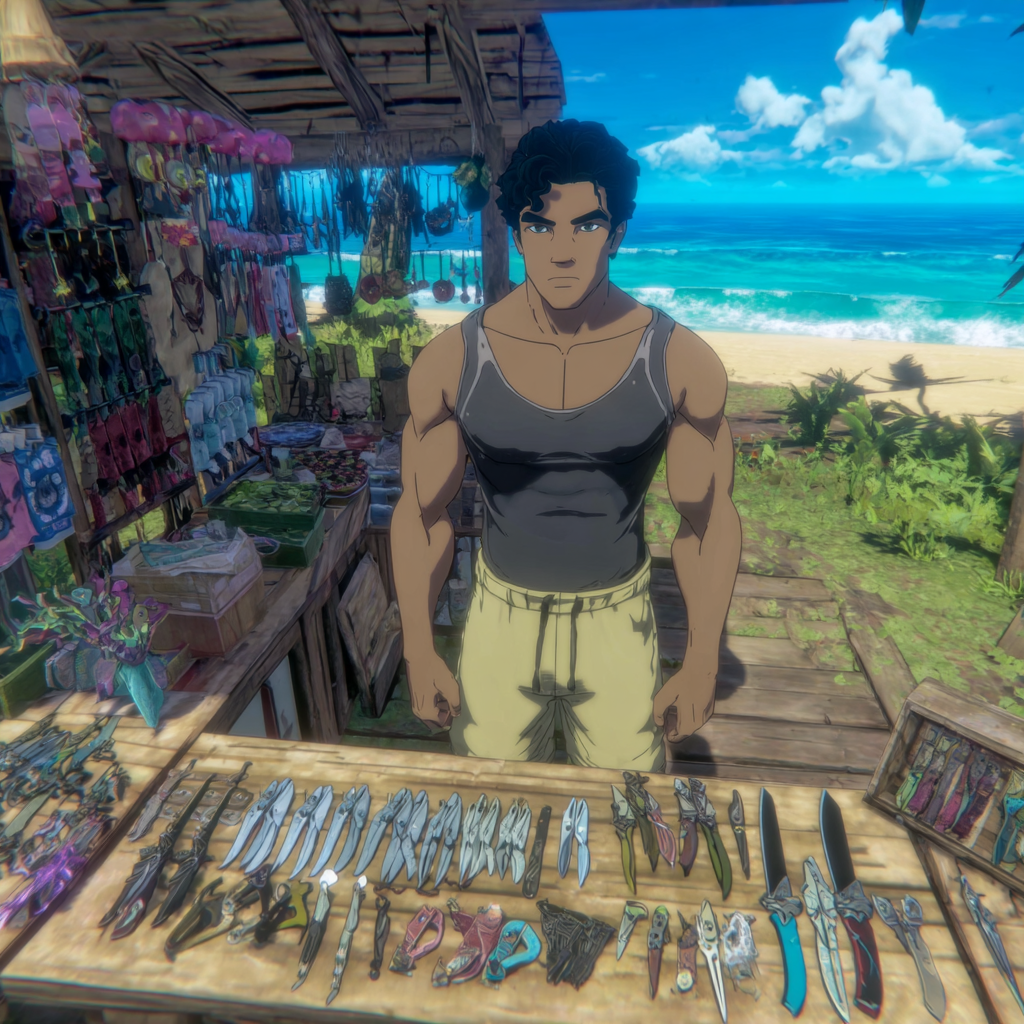
Ronald stands outside the art booth like an NPC who’s completed his escort mission and is now waiting for the next quest prompt. The guy’s clearly not into the whole face-painting scene—which, honestly, fair enough. Sometimes you just want to chill without having your face turned into a Fortnite skin.
Enter the vendor, approaching like a merchant from Skyrim who’s somehow spawned in a beach resort. “Would you like to buy a balisong?” he asks, producing a butterfly knife that gleams in the afternoon sun.
The knife itself looks legit—two handles that rotate around the blade tang with the kind of smooth mechanical precision that would make CS:GO players drool. When closed, it’s basically a metal puzzle that hides its true nature behind elegant engineering. Classic Filipino craftsmanship meets functional design.
Ronald’s eyes light up like he’s just found rare loot. “I used to own one, but it broke. This is a good time to buy a new one.”
The transaction happens faster than a speedrun any% completion. Ronald hands over cash while the vendor grins like he’s just made his daily quota in a single sale. It’s that perfect moment when buyer meets seller and everyone walks away happy—no haggling, no drama, just pure capitalist satisfaction.
Honestly? There’s something beautiful about these random vendor encounters that happen when you’re just standing around waiting for family activities to finish. Sometimes the best purchases are the ones you weren’t planning to make.
Survival_mode_dad_vs_basic_hygiene.sav
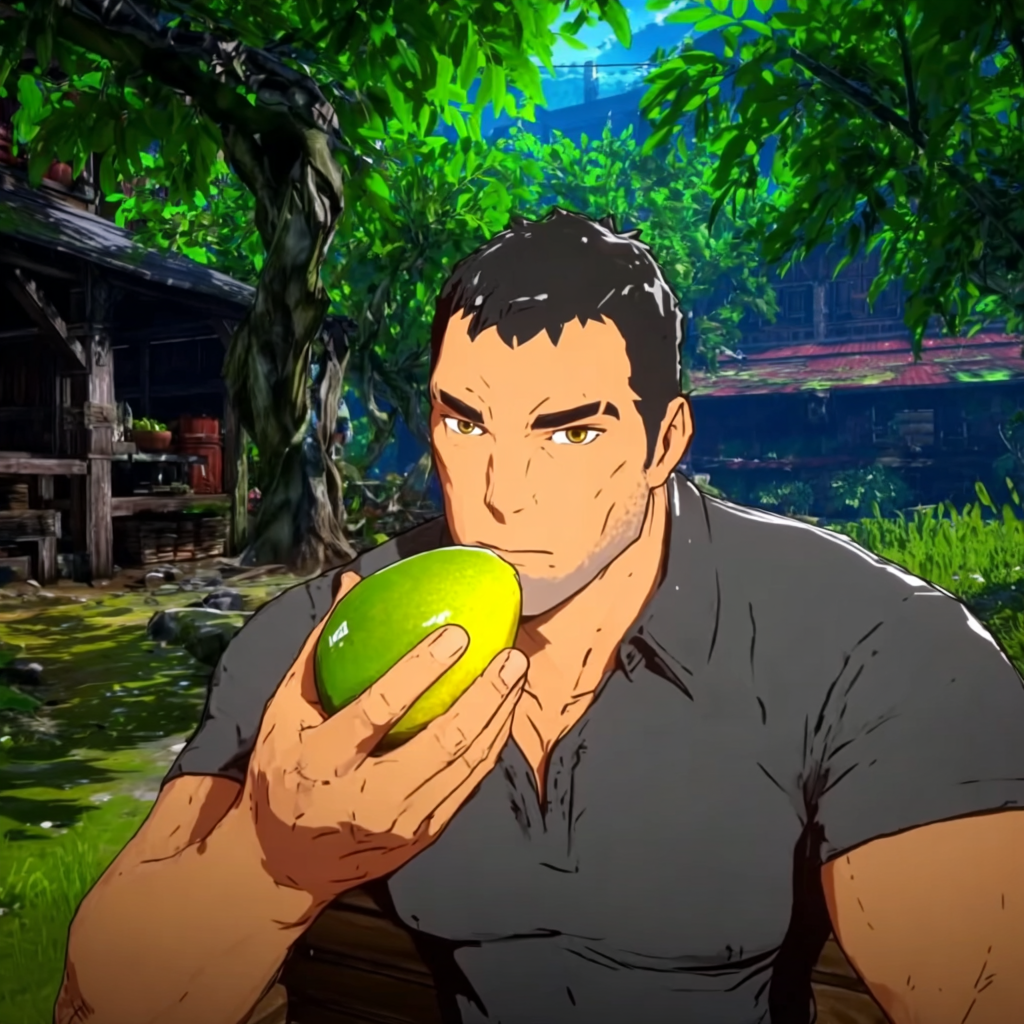
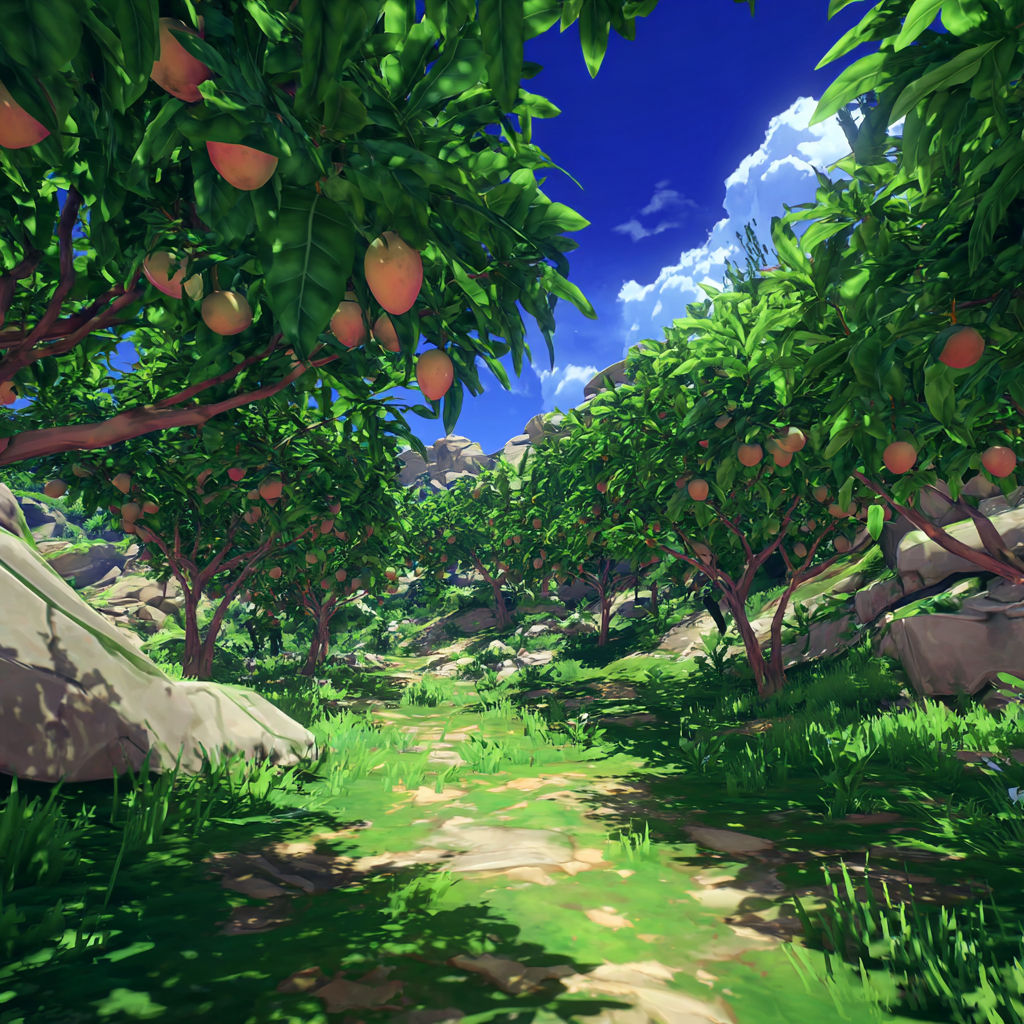
The mango orchard stretches out like something from Stardew Valley if it got a tropical graphics update and infinite fruit spawns. Rows of mango trees heavy with golden fruit create natural corridors under the afternoon sun, while the sweet scent of ripe mangoes hangs in the air like nature’s own aromatherapy session.
Enrico moves through this agricultural paradise like he’s speedrunning a fruit collection quest. The guy’s got two wicker baskets that he’s systematically filling with mangoes, each piece of fruit getting the careful selection treatment before making it into his personal hoard. His khaki shorts and polo shirt are already showing signs of orchard exploration—a few grass stains here, some fruit juice there.
When the baskets reach maximum capacity, Enrico claims a wooden bench like he’s establishing a temporary base camp for immediate consumption activities. Without any of the preliminary rituals that civilization typically requires, he grabs a mango and starts peeling it with his bare hands like he’s activating some kind of Bear Grylls survival protocol.
The fruit’s golden flesh glistens as he strips away the skin with practiced efficiency. Juice immediately starts dripping down his fingers, but the man’s completely unbothered—he’s operating in full primal mode, where taste trumps every other consideration. His first bite produces this expression of pure satisfaction that suggests he’s just discovered the best consumable item in the game.
“Gross, Dad! You didn’t even wash the mangoes before eating them!” Allison’s voice cuts through the orchard air with the horror of someone witnessing a complete breakdown of basic sanitation protocols.
She stands there in her perfectly coordinated outfit—pink attire still spotless despite the outdoor adventure—looking like she’s just watched her father commit crimes against hygiene that would make health inspectors weep. Her face shows genuine disgust mixed with that particular brand of embarrassment that happens when family members publicly abandon all pretense of civilized behavior.
“Mmm, so tasty, Allison. You don’t know what you’re missing,” Enrico responds between bites, completely unbothered by his daughter’s sanitation concerns. His tone carries the kind of rebellious satisfaction that comes from someone who’s decided that vacation rules override normal social conventions.
The juice continues dripping down his chin as he takes another enthusiastic bite, clearly demonstrating that he’s committed to this path regardless of any hygiene-related criticism he might receive from family members who still believe in things like soap and water.
“And you didn’t even wash your hands!” Allison adds with escalating horror, like she’s documenting additional evidence for some kind of cleanliness court case.
Enter Thalia, who surveys the scene and immediately identifies a different category of problem. Her eyes scan the ground around Enrico’s bench, which now looks like the aftermath of a fruit processing explosion. Mango peels and discarded bits create a scattered debris field that definitely wasn’t there when they arrived.
“Look at this mess, Enrico. You’ve just left everything on the ground,” she points out with the tone of someone who’s clearly reached her limit with family members making questionable environmental choices.
Her designer sundress and carefully maintained appearance suggest she’s someone who believes in leaving places better than you found them, which puts her in direct conflict with Enrico’s apparent “eat fruit and let gravity handle disposal” philosophy.
“There are workers to clean it up. They’re paid for that,” Enrico replies with the kind of casual dismissal that would make Karen memes proud. He continues eating his mango like he’s just delivered the most reasonable explanation possible for his behavior.
His logic apparently runs on the assumption that paying admission to an orchard automatically includes personal mess cleanup services, which is basically the real-world equivalent of expecting NPCs to handle all your inventory management while you focus on the fun parts of the game.
“Seriously? You’ve got no shame, have you?” Thalia fires back with the kind of direct challenge that suggests this conversation is about to escalate beyond fruit consumption ethics into deeper relationship territory.
Honestly? Watching this family dynamic unfold is like witnessing a real-time demonstration of how people’s true personalities emerge when they think nobody important is watching. Some folks maintain their standards regardless of context, while others apparently use vacation time as an excuse to temporarily abandon everything their mothers taught them about basic courtesy.
Love_interest_route_unlocked.sav
Morissette approaches Thalia like she’s about to initiate a crucial dialogue scene that could alter the entire storyline. Her timing is perfect—waiting until Enrico’s messy mango consumption has created enough family drama to provide the ideal distraction for confidential girl talk.
“Madam, can I borrow you for a sec?” The request comes with that particular urgency that suggests important character development is about to happen.
They move away from the fruit carnage zone, putting enough distance between themselves and the ongoing hygiene debate to ensure privacy. Morissette’s body language screams “major plot revelation incoming” as she glances around to make sure they’re out of earshot.
“You know, Ma’am Thalia, I think I’ve found the one,” Morissette announces with the dreamy expression of someone who’s just discovered their perfect romantic match in an otome game.
Her voice carries that floaty quality that happens when people get hit by the kind of instant attraction that romance novelists spend entire chapters trying to capture. Her dark eyes have this distant, sparkly look that suggests she’s currently replaying highlight reels from her encounter with a certain dashing butler.
“Spill it, girl. Who’s the lucky guy?” Thalia demands, immediately switching into best-friend mode despite their employer-employee dynamic. Her eyebrows arch with curiosity as she leans closer, clearly ready for some premium gossip.
The woman’s obviously forgotten all about her husband’s questionable orchard etiquette now that relationship drama has entered the chat. Nothing derails family arguments faster than romantic revelations.
“Carlisle, the Kennedys’ butler. He’s so handsome and dashing!” Morissette gushes like she’s describing the male lead from a K-drama who just showed up to rescue the female protagonist from second-lead syndrome.
Her hands flutter to her chest as she speaks, and her cheeks develop this soft pink flush that suggests she’s genuinely smitten rather than just caught up in vacation fantasy. The way she says his name—with that little sigh—indicates this isn’t casual attraction but full-blown romantic interest.
“What? You’re crazy! You’re such a hopeless romantic!” Thalia bursts into laughter, reaching over to playfully pinch Morissette’s arm like they’re teenagers sharing secrets about crush development.
But there’s no mockery in her tone—just the kind of affectionate teasing that happens between women who’ve moved beyond professional boundaries into actual friendship territory. Her expression suggests she’s genuinely entertained by this unexpected plot twist.
“Madam, no one can stop true love, especially when it’s written in the stars,” Morissette declares with the absolute conviction of someone who’s fully committed to the romance storyline she’s currently starring in.
Her confidence is legitimately impressive. She’s not questioning whether this could work out or worrying about practical complications—she’s operating on pure Disney Princess logic where love conquers all obstacles through the power of destiny and positive thinking.
Honestly? Watching this romantic subplot develop is like witnessing someone activate cheat codes for relationship success. Morissette’s approach involves zero strategic planning and maximum faith in cosmic intervention, which is either going to result in the most beautiful love story ever or spectacular romantic disaster.
Either way, this beach vacation just got way more interesting.
Local_Transport_DLC_Tourist_Edition.sav

The mango stand buzzes with activity like a marketplace from Assassin’s Creed where NPCs sell regional specialties to passing travelers. Tourists cluster around displays of dried mangoes, mango preserves, and other golden treasures that scream “authentic Filipino pasalubong (goodies) experience.”
Enrico emerges from this fruit commerce zone carrying his two wicker baskets like he’s just completed a successful farming quest in Harvest Moon. The guy’s practically radiating satisfaction as he spots a tricycle and calls out, “Kuya!” with the confidence of someone who’s clearly done his research on local transportation protocols.
The tricycle itself looks like something that escaped from Mad Max but got painted in cheerful colors and fitted with passenger seating. It’s basically a motorcycle with a sidecar attachment that’s been optimized for maximum people-carrying capacity rather than speed or comfort. The whole contraption has that distinctly Filipino engineering aesthetic—functional, practical, and somehow charming despite looking like it was assembled from spare parts.
Thalia settles into the inner passenger compartment with the careful grace of someone who’s definitely more accustomed to vehicles with air conditioning and leather seats. Her designer outfit looks hilariously out of place against the tricycle’s utilitarian interior, but she’s committing to this local experience with admirable determination.
Allison perches on her mother’s lap like a perfectly positioned accessory, her pink get-up creating a color contrast against the tricycle’s well-worn upholstery. The kid’s expression suggests she’s treating this as an amusement park ride rather than basic transportation—which, honestly, probably isn’t far from the truth given their usual travel standards.
Enrico squeezes in beside his wife and daughter, positioning himself next to the open side where he can monitor their mango cargo and probably also jump out quickly if this experiment in local transportation goes sideways. His body language suggests he’s simultaneously excited about the cultural authenticity and slightly concerned about safety ratings.
Morissette claims the back seat behind the driver, clutching an eco-bag stuffed with mango specialties that probably cost more than the tricycle driver makes in a week. Her position gives her the best view of the road ahead while also making her the designated cargo guardian for their fruit-based purchases.
The whole scene represents peak tourist behavior—wealthy family deciding that experiencing “authentic local culture” means temporarily downgrading their transportation standards for Instagram-worthy adventure content. It’s like watching rich players in an MMO deliberately choosing basic starting gear just to experience how the other half lives.
“Vroom, vroom, vroom,” the tricycle’s engine coughs to life with the mechanical enthusiasm of something that’s been serving the community faithfully for probably a decade longer than recommended. A small puff of smoke escapes from the exhaust like a character ability animation, adding dramatic flair to their departure.
The driver revs the engine with practiced skill, and suddenly they’re rolling down the road at speeds that would make Grand Theft Auto players laugh but feel perfectly adequate for sightseeing purposes. The tricycle bounces slightly as it navigates local road conditions, creating that authentic transportation experience that luxury vehicles simply can’t replicate.
Honestly? There’s something endearing about watching wealthy tourists voluntarily embracing transportation methods that prioritize cultural experience over comfort. Sometimes the best vacation memories come from deliberately choosing the less convenient option just to see how the locals actually live.
End_credits_scene_fire_dlc_performance.sav
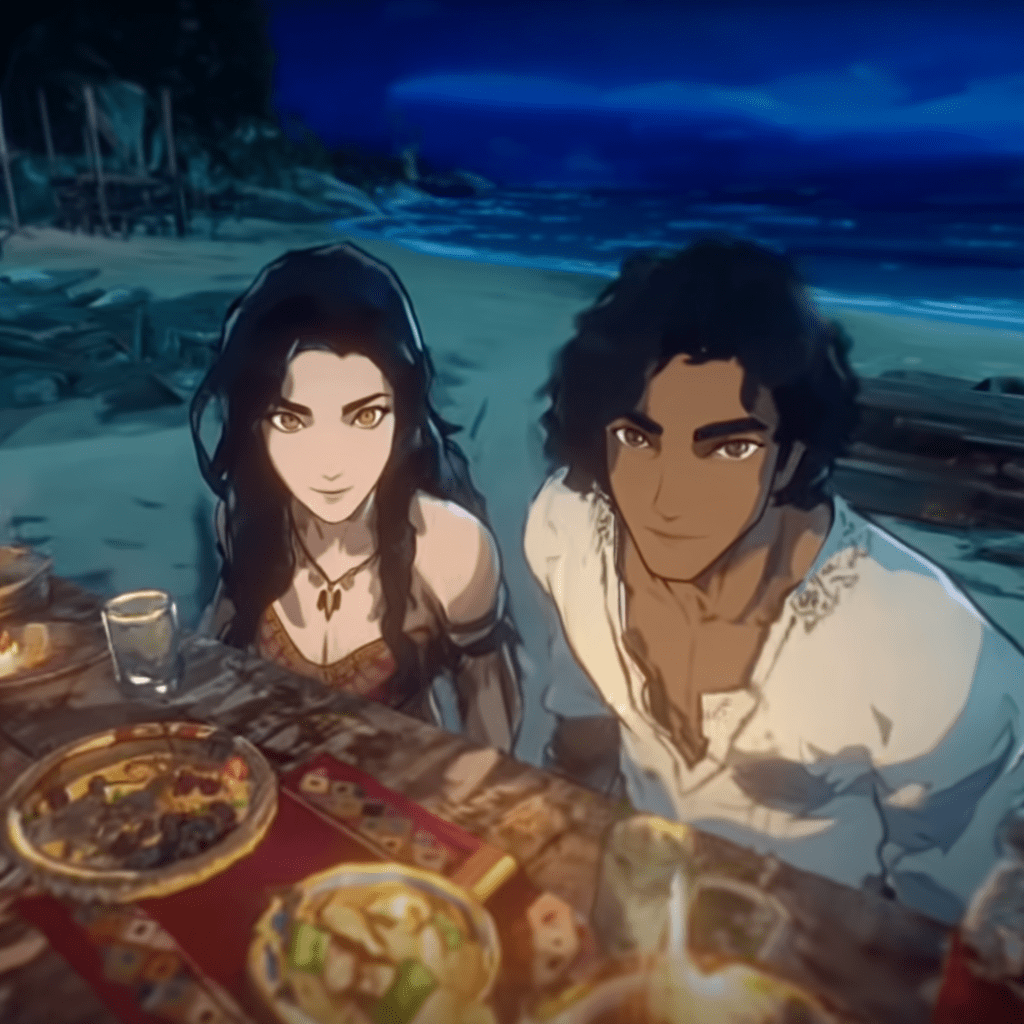
Dusk hits Laiya Beach like someone activated the golden hour filter in The Legend of Zelda: Breath of the Wild. The sky bleeds orange and pink while the entire extended family assembles around a low rectangular dining table that looks like it was designed specifically for this kind of cinematic beach finale.
This is peak family gathering energy—everyone’s here for the final boss celebration meal. Grandpa Al shows off his fresh henna tattoo like he’s unlocked a rare skin mod, while Grandma Emily’s sea-themed face paint makes her look like she stepped out of Aquaman‘s extended universe. The Pangilinans cluster together with that satisfied exhaustion that comes from a day well spent, while the Sevillas maintain their designer aesthetic even during casual beach dining.
Uncle Ronald lounges with the comfortable confidence of someone who successfully avoided most of the day’s family drama. Morissette sits close enough to Carlisle to make her romantic subplot obvious to anyone with functioning eyeballs, while the Kennedy family represents peak vacation achievement with their matching sun-kissed glow.
The dining spread looks like someone raided the entire Philippine culinary skill tree—tropical fruits, local specialties, and enough food to supply a small gaming convention. The gentle evening breeze carries salt spray and the promise of epic sunset photography opportunities that will definitely become next year’s Christmas card material.
But then the real entertainment arrives.
A woman approaches their dining zone followed by four guys who look like they’re about to demonstrate why God of War characters always look so intimidating. They’re dressed in tribal-themed costumes that scream “we take our traditional performance arts seriously” rather than “tourist entertainment for hire.”
The sand becomes their stage because apparently when you’re this skilled, you don’t need a proper venue—you just claim whatever space you want and make it work. It’s like watching professional Street Fighter players who can dominate any arcade regardless of the equipment quality.
The four men position themselves on either side like they’re establishing a ritual formation that’s been perfected through generations of practice. When they start beating their drums, the rhythm hits with the kind of primal intensity that makes your heartbeat automatically sync up with the beat. This isn’t background music—this is the kind of percussion that turns ordinary moments into legendary sequences.
Then the fire appears.
The brown-skinned, muscular performers start spinning poi in circles that create these incredible burning discs around their bodies. The flames trace perfect geometric patterns through the darkening air like some kind of real-life special effects demonstration that puts CGI to shame. Each spin is precisely calculated—too fast and you lose control, too slow and the visual impact disappears.
Their expressions carry this fierce intensity that suggests they’re channeling actual tribal warrior energy rather than just performing for tourist entertainment. These guys aren’t playing characters—they’re embodying something that connects to cultural traditions way older than any of us can properly understand.
The woman commands the center stage with grace that would make Final Fantasy summoners jealous. Her large metal fans have burning wicks along the edges that create these amazing flame trails as she moves. Every gesture is deliberate and flowing, like she’s choreographing fire itself rather than just manipulating burning objects.
Two performers handle fire staffs with the kind of weapon mastery that would make Dark Souls players weep with envy. The staffs spin and twirl in complex patterns that require serious muscle memory and spatial awareness—one miscalculation and you’re dealing with actual fire damage instead of just visual spectacle.
The other two juggle blazing clubs like they’re demonstrating advanced physics principles involving momentum, timing, and controlled pyrotechnics. The clubs arc through the air in perfect parabolas while somehow never interfering with each other’s flight paths. It’s mathematical precision meets artistic expression, all while managing live fire.
But the absolute peak moment comes when the woman breathes fire into the night sky like she’s activating some kind of dragon-type special ability. The flame shoots upward in a controlled burst that illuminates her face with orange light, creating this moment of pure magical realism that makes everyone’s vacation suddenly feel like they’ve been transported into an adventure movie.
As the performance reaches its climax, each flame gets extinguished by smothering the props in the sand with practiced efficiency. No dramatic flourishes—just professional performers who understand that safety protocols matter more than theatrical endings.
The family erupts into applause that echoes across the beach like the kind of appreciation that happens when people witness genuine skill rather than tourist-grade entertainment. Everyone’s mesmerized because this wasn’t just a show—it was a demonstration of cultural artistry that connects to something way deeper than vacation activities.
Honestly? This is exactly how family beach trips should end—with everyone gathered around good food while watching people who’ve mastered their craft demonstrate why traditional performance arts never go out of style. Sometimes the best entertainment happens when skilled artists decide to share their talents with random tourists who happened to be in the right place at the perfect time.
The evening breeze carries away the last traces of smoke as the stars start appearing overhead, and suddenly this whole beach vacation feels like it’s ending exactly the way great adventures should—with fire, family, and memories that are definitely going to be referenced for years to come.


Leave a Reply