Overview:
| Carlisle, the Kennedys’ butler, searches for Topher, the family’s only son, down the corridor and into a storage room, but finds no sign of him. Meanwhile, Topher walks along the beach shore accompanied by a magical star that only he can see. He ventures into a cave, where he watches the star conjure a mysterious board game. On his way out, he runs into the Pangilinan brothers, James and Michael, who have just finished a banana boat ride. Topher tells them about his mission to free the star trapped inside the game. Later, over lunch, James, Benjamin, Michael, and their sister Sophie discuss whether they should explore the cave themselves. |
Quest_marker_lost_child_unit_missing.sav
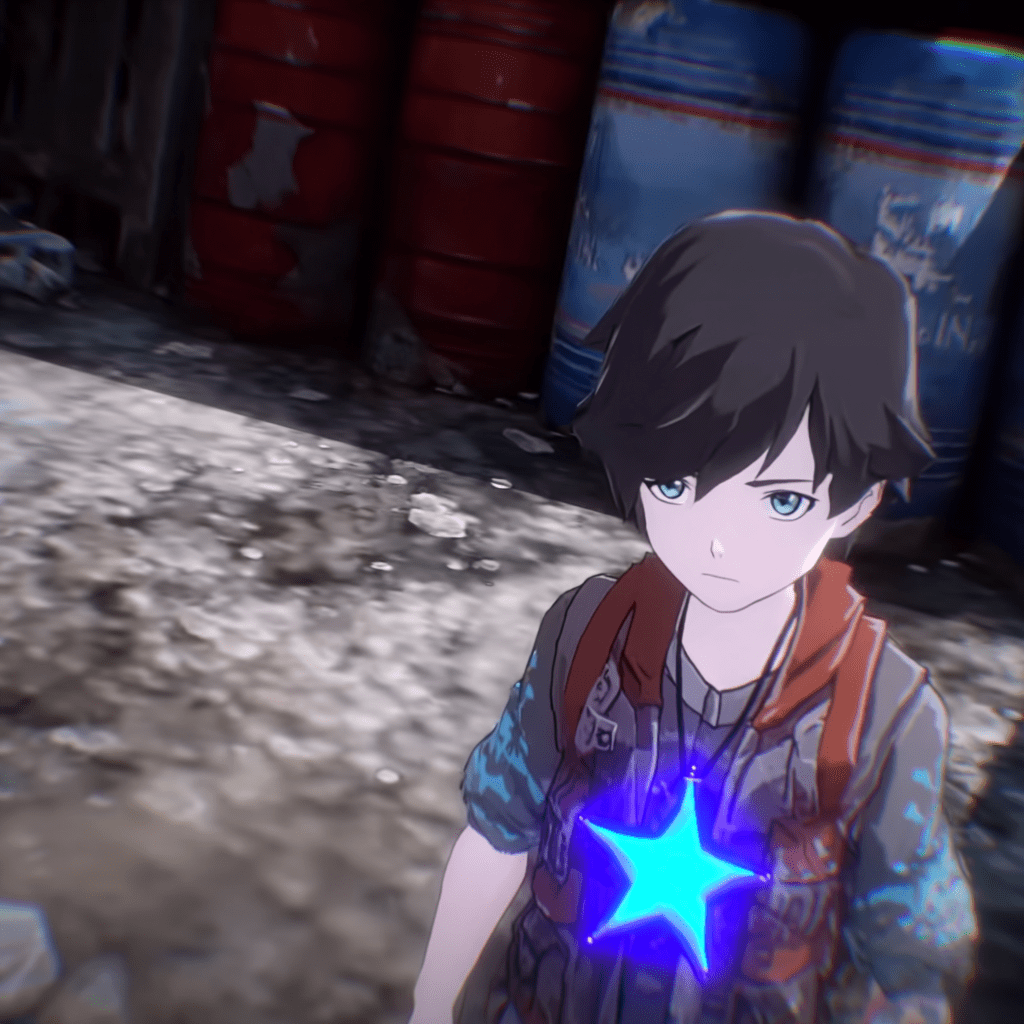
The resort corridor stretches like something out of The Shining if it had better lighting and way less psychological horror vibes. I observe this developing situation with the kind of fascination reserved for watching side quests that are about to become main storyline complications whether anyone’s prepared for it or not.
Topher wanders down the hallway with the aimless exploration energy of someone who’s clearly operating in “discovery mode” rather than having any specific destination in mind. His t-shirt and khaki shorts suggest he’s dressed for casual adventure rather than serious expedition work, but his body language carries that particular restlessness that happens when kids need to burn off energy through environmental investigation.
The storage room he eventually enters looks like the kind of space that would make Minecraft inventory management enthusiasts weep with organizational envy. Unused furniture stacks against walls in careful arrangements that suggest someone actually cares about efficient space utilization, while various resort equipment and supplies create a maze of objects that probably have fascinating stories about their previous service lives.
But then the real entertainment begins.
A sparkling blue-white shooting star materializes inside the storage room like someone just triggered the most unexpected special event ever designed. The cosmic visitor illuminates Topher’s face with otherworldly light that makes him look like he’s been selected for some kind of divine quest assignment that definitely wasn’t included in the original vacation itinerary.
The fallen star downsizes itself until it’s just bigger than his palm—basically transforming from cosmic phenomenon into what appears to be a personalized magical artifact that’s clearly chosen Topher as its designated recipient. This is classic fantasy trope behavior where mystical objects seek out their chosen wielders rather than waiting to be discovered through conventional means.
When the star zips away from him with obvious “follow me” energy, Topher doesn’t hesitate. Kid immediately switches into pursuit mode and chases this cosmic guide right out of the storage room like he’s just received the most interesting quest objective of his entire life.
Of course he follows the mysterious glowing object, I think with the kind of genre awareness that recognizes protagonist behavior when I see it. Because clearly the smart move when encountering unexplained supernatural phenomena is to abandon all safety protocols and see where it leads.
The timing of what happens next demonstrates either excellent dramatic coincidence or the universe’s commitment to creating maximum suspense through strategic character positioning.
Carlisle appears at the storage room entrance like a character who’s just completed a frantic search sequence and finally located the right area, except he’s arrived approximately thirty seconds too late to prevent whatever’s about to unfold. The guy’s still catching his breath with the kind of cardiovascular stress that suggests he’s been conducting serious physical pursuit operations through multiple resort locations.
His face lights up with hope when he spots the open door—clearly someone who’s learned to recognize that empty rooms with open access points usually indicate recent occupancy rather than just random architectural features. His expression suggests genuine relief at finally finding a concrete lead in what’s probably been an increasingly desperate search operation.
“Bud, I know you’re in here,” Carlisle calls out with the confident authority of someone who’s developed sophisticated understanding of Topher’s exploration patterns and hiding preferences through extensive childcare experience.
His voice carries that particular blend of concern and reassurance that professional caretakers use when they need to communicate both “you’re not in trouble” and “but we really need to reunite immediately” without creating panic that might cause further evasion behavior.
But the storage room delivers nothing except the kind of empty silence that immediately signals mission failure to anyone with functional pattern recognition skills.
The realization hits Carlisle like a debugging error that reveals his search algorithms have been operating on outdated location data. “Topher’s gone. He was here, but he’s already left. I’m too late. Where do I even start looking for that kid?”
His muttered analysis demonstrates the kind of logical problem-solving approach that comes from someone who’s learned to think systematically about search operations even when emotional stress is threatening to override rational planning capabilities. The guy’s clearly calculating search radius expansion options while simultaneously processing the implications of a mobile target who’s no longer contained in predictable locations.
“Bud? Bud, where are you?” His voice escalates with genuine concern as he transitions from confident retrieval mode into active emergency protocols.
The way he calls out suggests he’s hoping Topher might still be within audible range and could respond to direct communication rather than requiring physical pursuit through unknown territory. It’s the kind of strategic approach that prioritizes efficient resolution over comprehensive area coverage.
“Your mother’s going to kill me,” he adds with the kind of professional anxiety that happens when childcare responsibilities intersect with parental expectations and the potential consequences involve serious career implications.
His comment reveals the classic caretaker dilemma where successful child supervision requires balancing independence encouragement with safety maintenance, and miscalculations in either direction can result in both immediate danger and long-term employment concerns.
As Carlisle heads down the quiet hallway to continue his pursuit, his body language demonstrates the transition from systematic search to potentially desperate chase scenario. The empty corridor ahead probably contains multiple branching paths that will require strategic decision-making about optimal search patterns and resource allocation.
Honestly? Watching this whole scene unfold is like observing the exact moment when a simple childcare situation transforms into the opening sequence of an adventure story where responsible adults get left behind while kids follow mysterious cosmic guides toward destinations that definitely weren’t approved by anyone with actual supervisory authority.
This is either going to end with Topher safely returned to family supervision with an interesting story to tell, or it’s the beginning of complications that will make everyone’s previous vacation concerns seem refreshingly manageable by comparison.
Tutorial_npc_escort_mission_cave_dlc_unlocked.sav

The beach operates in blissful ignorance mode while cosmic shenanigans unfold right under everyone’s noses. Tourists continue their standard vacation programming—building sandcastles, playing volleyball, applying sunscreen with religious devotion—completely oblivious to the fact that a nine-year-old just got selected for what appears to be a supernatural side quest.
Topher walks along the shore with his glowing companion hovering beside him like the world’s most mysterious Pokémon. The blue-white shooting star maintains perfect formation with his movement, clearly operating under “follow the protagonist” AI protocols that suggest serious magical intelligence rather than just random cosmic debris.
I’m the only one who knows you’re here, Topher thinks with the kind of awed realization that happens when kids discover they’ve been chosen for secret missions that adults can’t access.
His expression cycles between excitement and bewilderment as he processes this exclusive cosmic connection. The star’s invisibility to others transforms him from ordinary vacation kid into someone with genuine supernatural privileges—basically the Harry Potter moment where you discover magic is real and you’re part of it.
“Where are you taking me?” he asks the fireball with the casual tone of someone who’s decided to embrace whatever adventure is about to unfold rather than worry about safety protocols or parental approval.
The star offers no verbal response because apparently cosmic guides operate on “show don’t tell” communication methods that require protagonists to figure things out through environmental clues rather than convenient exposition dumps.
“It’s okay, Buddy. I like surprises anyway,” Topher continues, demonstrating the kind of protagonist optimism that would make cautious characters weep with anxiety.
His trust in this mysterious entity suggests either admirable courage or concerning naivety about following unknown magical objects toward undisclosed destinations. But honestly? This is exactly how legendary adventures begin—with kids brave enough to say yes to the impossible.
Their walk concludes at a cave entrance that emerges from the coastal landscape like nature’s own dungeon portal. The opening yawns dark and mysterious, suggesting depths that definitely weren’t included in any tourist brochures and probably require special clearance to explore safely.
Honestly? Watching Topher approach this obvious adventure threshold is like witnessing the exact moment when vacation time officially ends and quest time begins.
Ancient_Puzzle_Boss_Fight.sav
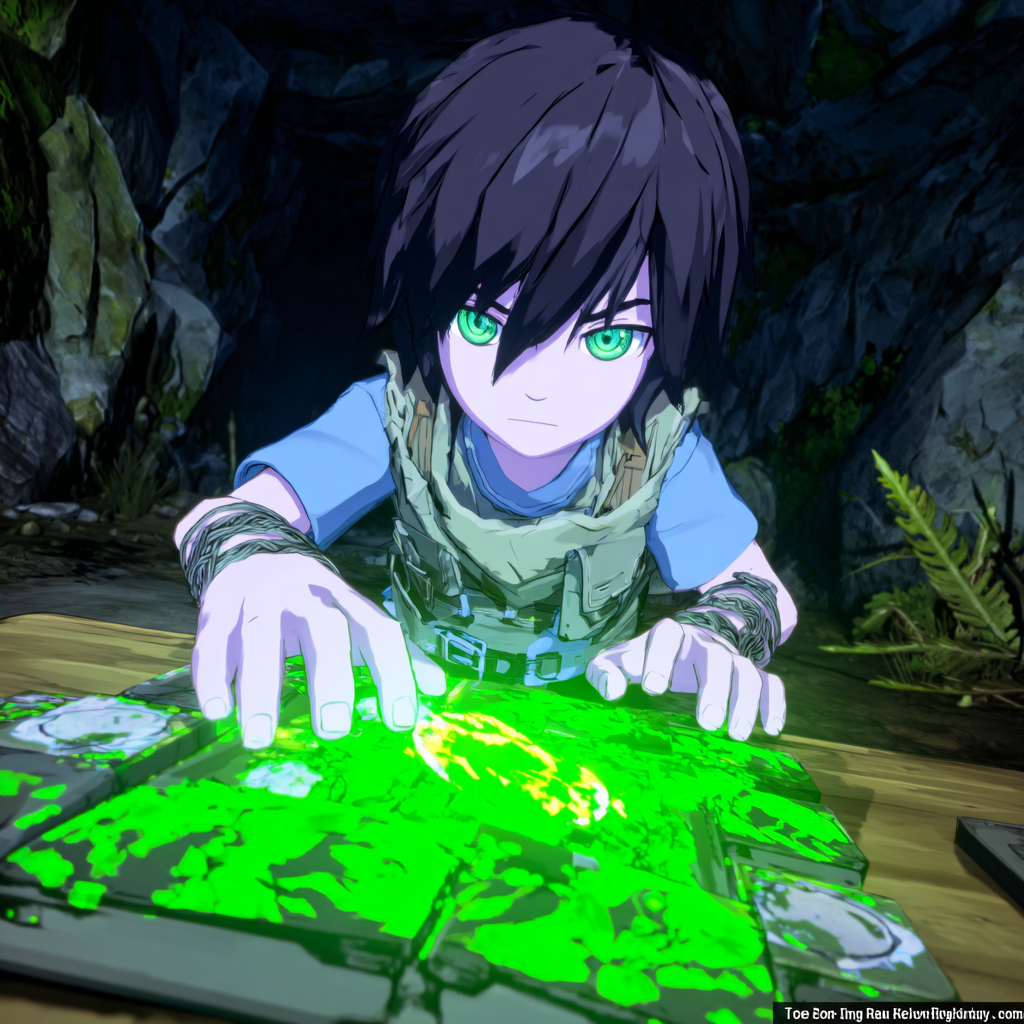
“This is where you want to go?” Topher asks while staring up at his cosmic companion with the kind of adventurous acceptance that would make Indiana Jones proud. “Cool, this is an adventure.”
The cave entrance yawns before them like the opening to some legendary dungeon that’s been waiting centuries for the right protagonist to finally show up and activate whatever ancient mechanisms are hidden inside. I observe this moment with genuine appreciation—watching a nine-year-old demonstrate more courage than most adults would manage when faced with mysterious supernatural guidance toward unknown underground destinations.
They step into the cave together, and immediately the atmosphere shifts from tropical beach vacation to something that belongs in The Goonies meets Tomb Raider. The natural lighting fades as they move deeper into the earth, replaced by the ethereal glow of Topher’s stellar companion that creates shifting shadows on the rocky walls.
It’s been a while since I’ve been inside a cave. It’s still as awe-inspiring as ever—no sky above, just the long path, with walls of earth, rocks, and boulders everywhere, Topher thinks as he surveys their underground environment with the kind of systematic observation that suggests he’s actually done cave exploration before rather than just stumbling into his first subterranean adventure.
His mental mapping demonstrates impressive spatial awareness for someone who’s barely old enough to handle complex video game navigation, let alone real-world underground exploration. The way he processes the cave’s layout suggests he’s got natural instincts for environmental analysis that would make survival game players jealous of his situational awareness skills.
The cave itself stretches ahead like a naturally occurring corridor that’s been carved by geological forces over thousands of years. Rough stone walls display the kind of mineral formations and erosion patterns that speak to deep time scales that dwarf human experience, while the uneven floor requires careful navigation to avoid loose rocks and unexpected elevation changes.
But then his stellar guide shifts into high-speed mode like it’s just received urgent mission parameters that require immediate execution.
The fallen star flies hurriedly toward two massive boulders that have somehow ended up wedged together in a formation that looks suspiciously intentional rather than just random geological accident. The positioning suggests either incredible coincidence or the kind of ancient engineering that creates hidden chambers behind natural-looking barriers.
Topher follows with the curiosity of someone who’s learned to trust his supernatural companion’s navigation choices, even when they lead toward geological features that probably aren’t included in any tourist safety guidelines. His movement through the cave demonstrates growing confidence as he adapts to the underground environment and begins treating this exploration as legitimate adventure rather than just random wandering.
What happens next basically breaks every law of physics while simultaneously creating the most epic magical item reveal sequence ever witnessed in real life.
The shooting star positions itself precisely between the wedged boulders and begins what can only be described as advanced reality manipulation that would make Doctor Strange special effects teams weep with envy. Blue-white light starts outlining something in the empty space, creating geometric patterns that suggest complex three-dimensional construction happening in real time.
Powder-blue smoke begins filling in the light framework like someone’s using the most sophisticated 3D printer ever designed, except instead of plastic filament, this thing is using actual magical energy to construct physical objects from pure cosmic power. The manufacturing process defies conventional understanding of matter creation while producing results that look both ancient and impossibly sophisticated.
The finished product emerges like the ultimate treasure chest reward from the most challenging dungeon level ever designed. A wooden board materializes with the kind of craftsmanship that suggests master artisans spent years perfecting every detail, while a navy crystal ball settles into the center position with the weight and presence of something that contains serious magical authority.
But the real jaw-dropping element is the intricate carving work covering the board’s front face—detailed astronomical representations that look like they were created by someone with PhD-level knowledge of historical cosmology combined with artistic skills that would make Renaissance masters jealous of the precision and beauty.
“If this is what I think it is, then these seven must be the luminaries,” Topher says while tracing the concentric planes with his finger, demonstrating knowledge that’s way more sophisticated than most nine-year-olds would possess about pre-modern astronomical concepts.
His recognition of the Aristotelian universe model suggests either exceptional education or the kind of intellectual curiosity that leads kids to absorb random historical and scientific information through independent research rather than just classroom requirements. The way he examines the carvings indicates genuine understanding rather than just pattern recognition.
“I’m not sure if these are meant to represent the Sun, the Moon, and the traditional planets—Mercury, Venus, Mars, Jupiter, and Saturn,” he continues with the kind of thoughtful analysis that demonstrates both historical knowledge and scientific thinking working together to interpret complex symbolic information.
His ability to identify the classical planetary system reveals someone who’s clearly spent time learning about astronomy history and understands how ancient civilizations organized their understanding of celestial mechanics before modern scientific discoveries revolutionized cosmological models.
“Then this must be the Earth.” He reaches out to touch the crystal ball in the center with the reverent care of someone who understands they’re interacting with something both beautiful and potentially powerful beyond normal comprehension.
The crystal responds to his touch with subtle energy that suggests it’s not just decorative but actually functional as some kind of control interface or power source that’s been waiting for the right person to activate its hidden capabilities.
“People used to believe that the Earth was the center of the cosmos, not the Sun—at least during Antiquity and the Middle Ages,” Topher recalls with the kind of historical accuracy that indicates he’s absorbed legitimate educational content about the transition from geocentric to heliocentric models of the solar system.
His commentary demonstrates understanding of how scientific knowledge evolves over time and why ancient astronomical models made logical sense given the observational tools and theoretical frameworks available to earlier civilizations rather than just dismissing historical beliefs as primitive ignorance.
But then his cosmic companion does something that transforms this archaeological discovery session into active magical emergency.
The shooting star suddenly flies directly into the crystal ball like it’s found its designated parking space and decided to establish permanent residence inside the central control mechanism of this ancient astronomical device.
“Why are you in there? Please, come out!” Topher pleads with genuine concern as he realizes his guide has just become part of the magical apparatus rather than remaining available for continued navigation assistance.
His distress suggests he’s developed enough attachment to his stellar companion to feel genuinely worried about losing this connection, treating the star more like a friend who’s made a potentially dangerous decision rather than just a useful magical tool that’s completed its purpose.
The star sparkles inside the crystal with the kind of contentment that suggests it’s exactly where it belongs, apparently unconcerned about Topher’s anxiety regarding their continued partnership in whatever adventure is supposed to happen next.
“If you won’t budge, then you’re coming with me.” Topher makes the logical decision to solve this problem through direct action, attempting to move the gigantic board from its position wedged between the boulders.
His problem-solving approach demonstrates the kind of practical thinking that recognizes when negotiation fails, sometimes the best option involves changing the parameters of the situation rather than just accepting limitations imposed by current circumstances.
But the board refuses to cooperate with his relocation efforts, remaining firmly stuck in position like it’s been secured by forces that require more than nine-year-old muscle power to overcome successfully.
“I need help. I can’t do this by myself.” He reaches the mature conclusion that some challenges require collaborative effort rather than individual determination, making the responsible decision to seek assistance rather than continuing to struggle with problems that exceed his current capabilities.
His willingness to admit limitations and request backup demonstrates impressive emotional intelligence for someone who’s probably spent most of his life being encouraged to solve problems independently rather than always running to adults for assistance.
As Topher heads back toward the cave entrance to find help, cosmic events continue developing behind him in ways that suggest his interaction with the crystal ball has triggered something significant that will probably have major implications for whatever happens next.
An ivory luminary appears near the blue fireball inside the crystal like a secondary magical system coming online in response to the initial activation sequence. It orbits briefly around Topher’s stellar companion with the kind of celestial mechanics that suggest this ancient device is beginning to function according to its original design parameters.
But then the ivory light dims as Topher’s distance from the crystal increases, indicating that whatever magical processes have been initiated require his continued presence to maintain full operational status rather than just working automatically once activated.
Honestly? Watching this whole sequence unfold is like witnessing the most epic tutorial level ever designed, where a nine-year-old accidentally discovers an ancient magical artifact that’s clearly been waiting for someone with the right combination of curiosity, courage, and astronomical knowledge to unlock its true potential—except now he needs to figure out how to actually use the thing without getting himself killed in the process.
Party_formation_protocol_rescue_quest_initiated.sav
The beach encounter unfolds like the most perfectly timed random event that could possibly happen when someone desperately needs backup for a supernatural emergency. I watch this convergence with the kind of appreciation reserved for witnessing NPCs show up at exactly the right moment with exactly the right skill sets to solve problems that would be impossible to handle solo.
James and Michael emerge from the waves like they’ve just completed the most epic aquatic side quest ever designed. Water drips from their hair and clothes while their bright orange life jackets create that unmistakable “we’ve been having legitimate water park adventures” aesthetic that suggests they’ve been maximizing their beach vacation entertainment value rather than just lounging around waiting for plot developments.
Their faces radiate the kind of post-adrenaline satisfaction that happens when people successfully complete challenging recreational activities that test both physical coordination and courage levels. Michael’s athletic confidence is obvious even while he’s still soaked and wearing safety equipment, while James carries that relaxed energy of someone who’s learned to enjoy adventure activities without needing to dominate them competitively.
But then Topher appears like a quest-giver who’s about to completely redirect their vacation experience toward territory that’s way more complex than banana boat rides.
“You’ve got to help me save my little friend trapped in a magical board game,” Topher blurts out with the kind of desperate urgency that immediately signals this isn’t casual conversation but actual emergency briefing for people who’ve just been recruited into supernatural rescue operations.
The request hits with the impact of someone announcing that reality has officially shifted into fantasy adventure mode and everyone needs to adapt their expectations accordingly. His expression carries genuine distress rather than just dramatic exaggeration, suggesting whatever happened in the cave represents real crisis rather than just interesting discovery.
James and Michael exchange confused looks that perfectly capture the cognitive adjustment required when vacation brain suddenly needs to process information about magical board games and trapped shooting stars. Their facial expressions cycle through bewilderment, concern, and the kind of rapid mental recalibration that happens when people realize their friend isn’t making up weird stories but describing actual supernatural events.
“My buddy—a shooting star—created the board inside a cave. That’s where I left him,” Topher explains with the kind of matter-of-fact delivery that suggests he’s already processed the impossibility of his situation and moved on to practical problem-solving rather than getting stuck on whether any of this makes logical sense.
His clarification provides crucial exposition while demonstrating that he’s treating his cosmic companion as a genuine friend rather than just a magical tool, which explains why leaving the star trapped feels like abandoning someone who needs rescue rather than just losing access to interesting supernatural phenomena.
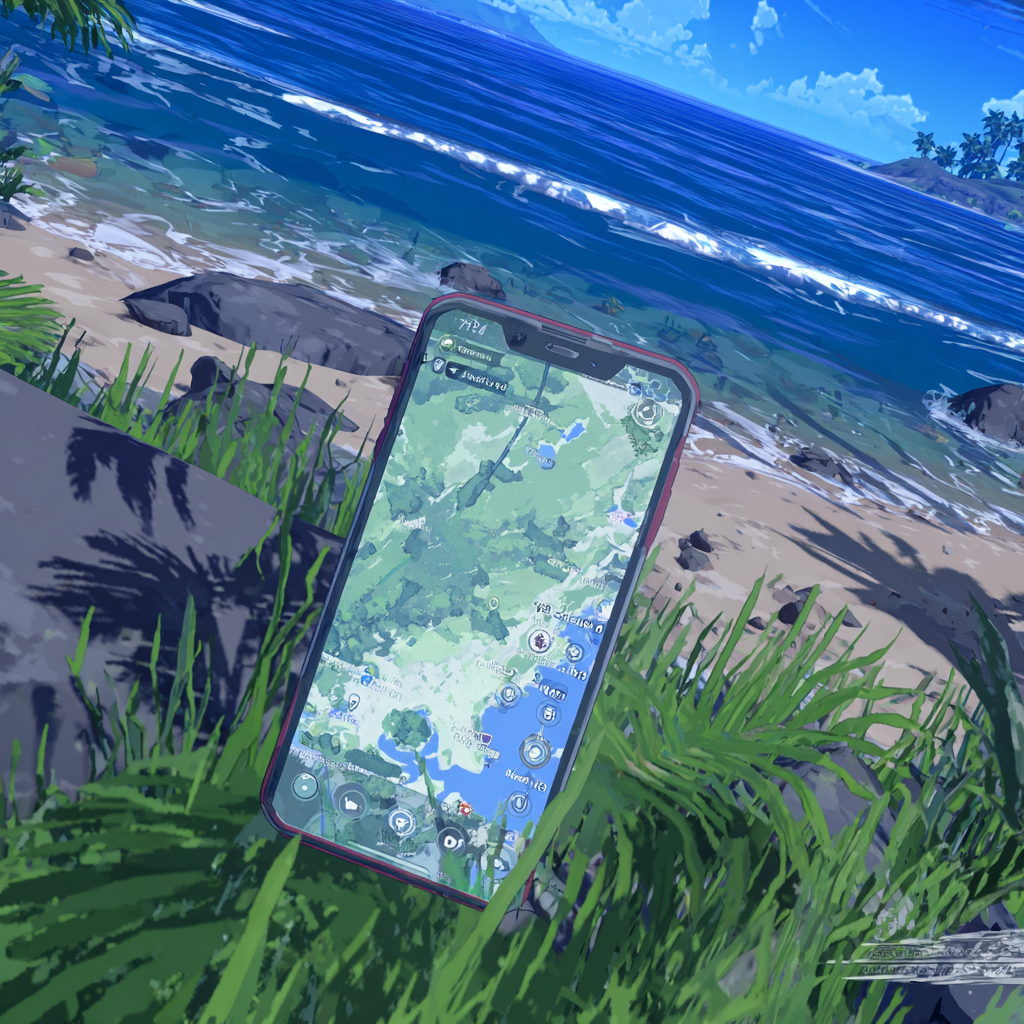
Michael’s response demonstrates exactly why some people are natural leaders who excel in crisis situations. “A cave, you say? Give me your phone, and I’ll install a GPS app on it. Let’s go rescue your friend.”
His immediate transition from confusion to action planning shows the kind of practical thinking that prioritizes problem-solving over endless questioning about how impossible situations came to exist. The fact that he’s already strategizing about navigation tools while still wearing a life jacket suggests someone who’s learned to adapt quickly when circumstances require rapid response protocols.
His sudden enthusiasm radiates the kind of energy that happens when natural athletes encounter challenges that require both physical capability and strategic thinking. The prospect of cave rescue operations probably appeals to his action-oriented personality more than just sitting around discussing whether shooting stars can actually be friends with nine-year-olds.
James contributes the collaborative approach that transforms individual rescue attempts into coordinated group efforts. “We can call the others—us cousins. Your GPS location will get us to the cave entrance, and we can meet there.”
His suggestion demonstrates understanding that complex problems often require diverse skill sets and multiple perspectives to solve successfully. The way he frames the cousin recruitment indicates he’s already mentally organizing this rescue mission like a proper team operation rather than just casual adventure tourism.
“Thank you so much. Every minute counts for my little friend.” Topher’s gratitude carries genuine relief as he hands his phone to Michael, clearly understanding that collaborative assistance dramatically improves his chances of successfully resolving this cosmic crisis.
His emphasis on time urgency suggests he’s genuinely worried about his stellar companion’s wellbeing rather than just eager to continue exploring magical phenomena. The way he refers to the shooting star as his “little friend” indicates emotional attachment that goes beyond just fascination with supernatural events.
“Could you tell me more about what happened?” James asks while putting a supportive arm around Topher’s shoulders as they begin walking together toward whatever cave rescue operation is about to commence.
His physical gesture demonstrates the kind of natural empathy that makes someone an excellent team coordinator, providing both emotional support and practical information gathering that will help everyone understand the situation they’re about to enter. The way he guides their movement while maintaining conversation suggests he’s already thinking about logistics and group dynamics.
Honestly? Watching these three cousins immediately organize themselves into rescue formation is like witnessing the perfect example of how family relationships can transform from casual vacation interactions into legitimate adventure party coordination when supernatural circumstances require rapid response and collaborative problem-solving.
Sometimes the best quests begin when people who already trust each other discover that one of them needs help with problems that are way too big to handle alone.
Team_formation_debate_risk_vs_reward_analysis.sav
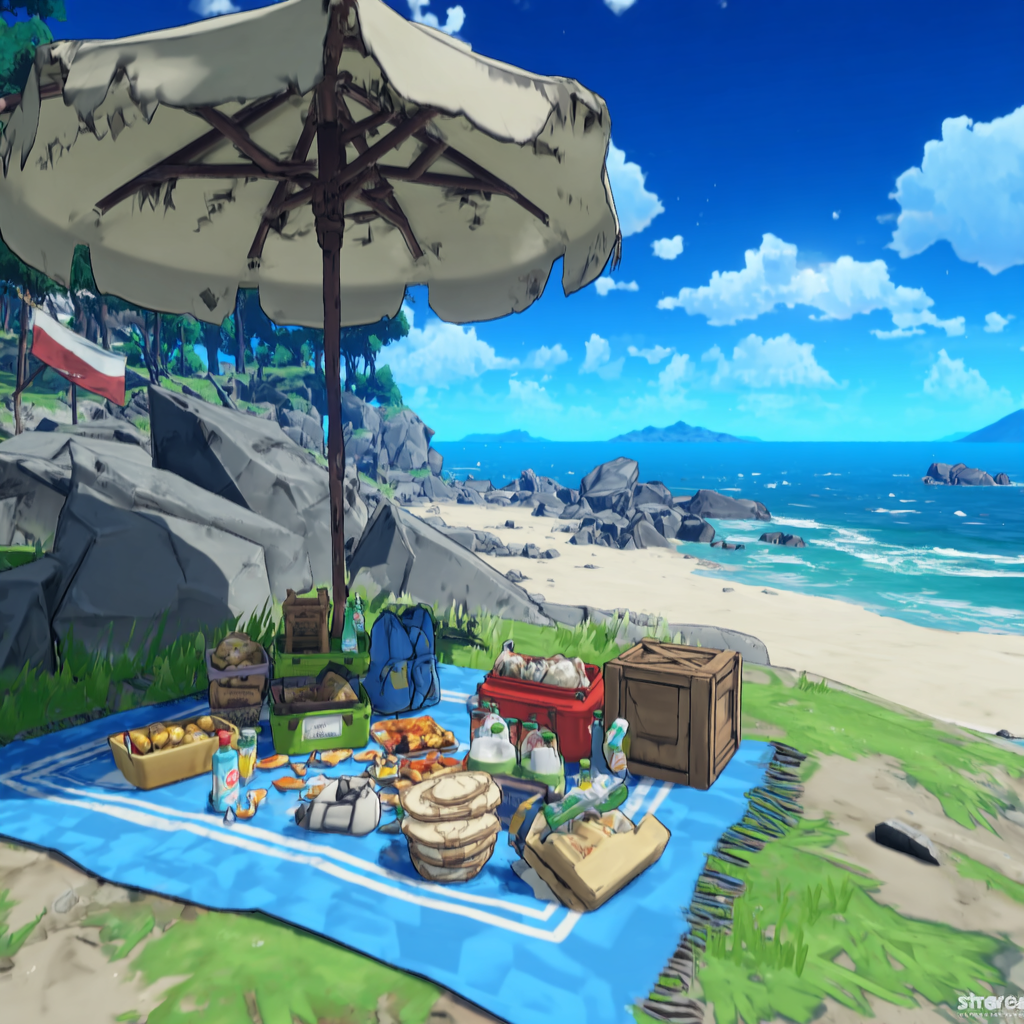
The Pangilinan siblings arrange themselves on their picnic mat like they’re holding an impromptu strategy meeting disguised as casual beach lunch. The shade provides perfect cover for what’s clearly becoming a family council session about whether to embark on supernatural cave exploration that would make The Goonies characters proud of their adventurous spirit.
I observe this sibling dynamic unfold with the kind of fascination reserved for watching family decision-making processes that involve balancing practical safety concerns against the irresistible appeal of mysterious magical phenomena that require investigation.
Michael positions himself beside Benjamin on the left with the confident posture of someone who’s already mentally committed to whatever adventure is being proposed. His athletic build and casual beach clothes suggest he’s dressed for action rather than extended deliberation, and his expression radiates the kind of enthusiasm that happens when competitive personalities encounter challenges that test both physical and mental capabilities.
“I’ll beat the challenge of that rocky terrain, even if it means going deep underground,” he boasts with the kind of athletic confidence that treats cave exploration like another sports competition where victory depends on superior physical conditioning and determination rather than just luck or magical assistance.
His declaration demonstrates the classic athlete mindset that approaches obstacles as opportunities to prove capability rather than reasons to avoid potentially dangerous situations. The way he frames underground exploration as a “challenge to beat” suggests he’s already visualizing this cave rescue as a test of his adventure gaming skills applied to real-world terrain navigation.
James settles on Benjamin’s right side with the cheerful energy of someone who’s clearly functioning as the social coordinator for this family expedition planning session. “It’ll be fun for us cousins—and we’ll bond more, as friends,” he adds with the kind of optimistic enthusiasm that prioritizes relationship building and shared experiences over risk assessment protocols.
His approach demonstrates understanding that the best family adventures happen when people choose to support each other through challenging experiences rather than just maintaining safety through avoidance of anything that might involve uncertainty or require collaborative problem-solving under pressure.
But Benjamin sits between his brothers like someone who’s caught between competing priorities that can’t be easily reconciled through simple decision-making algorithms. His expression suggests he’s running complex internal calculations about group safety versus intellectual curiosity, clearly understanding that leadership responsibilities often require choosing between what people want to do and what might actually be wise to attempt.
It isn’t safe for us to go inside that cave, his internal monologue runs with the kind of logical analysis that recognizes potential danger scenarios and prioritizes group welfare over individual excitement about supernatural discoveries.
But then his thoughts shift toward the technical details that have captured his imagination despite his safety concerns. But that board game—double the size of a standard one—with the crystal ball and the carving of an Aristotelian universe… I can’t even find it on BoardGameGeek.
His mental reference to BoardGameGeek reveals someone who’s clearly spent significant time researching gaming equipment and understands the difference between commercially available products and genuinely unique artifacts that represent either unknown manufacturers or possibly supernatural origins that don’t appear in standard databases.
The internal conflict between safety consciousness and intellectual curiosity creates exactly the kind of character tension that makes family adventure stories compelling—watching responsible people wrestle with decisions that pit practical wisdom against the irresistible appeal of investigating mysteries that might never present themselves again.
James observes his brother’s deliberation process with the kind of strategic awareness that suggests he understands exactly which psychological buttons to push to achieve desired outcomes. I’m glad I told Benjamin the details. It’s only a matter of time before he gives in, he thinks with a cheeky smile that reveals his confidence in understanding family personality patterns.
His internal satisfaction suggests he’s learned that the most effective persuasion involves providing compelling information and then allowing people to convince themselves rather than applying direct pressure that might trigger defensive resistance or resentment about manipulation attempts.
The smile that crosses his face demonstrates the kind of sibling psychology expertise that comes from years of observing how different family members respond to various types of motivation and understanding that Benjamin’s intellectual curiosity will eventually override his safety protocols when presented with sufficiently intriguing mysteries.
Sophie completes the family formation with the kind of cheerful adaptability that makes some people perfect adventure companions regardless of the circumstances involved. “If you—my brothers—are going, then I’m coming too,” she declares with the straightforward logic of someone who’s learned that the best experiences usually happen when families stick together rather than splitting up based on individual comfort levels.
Her four-year-old perspective operates on simpler decision-making algorithms that prioritize staying with trusted family members over conducting detailed risk analysis about cave exploration safety protocols. The way she positions herself suggests she’s treating this as another family adventure rather than a potentially dangerous supernatural investigation.
“And I believe in magic,” she adds while clinging to James’ arm with the kind of innocent faith that would make Peter Pan characters jealous of her capacity for accepting extraordinary possibilities without requiring scientific proof or logical explanations.
Her statement represents the perfect counterbalance to Benjamin’s analytical skepticism—while he’s calculating safety margins and researching technical specifications, she’s operating on pure trust in magical possibilities combined with confidence that her brothers will keep her safe during whatever adventures they choose to pursue together.
Honestly? Watching this family navigate the classic adventure story dilemma between safety and exploration is like witnessing the most realistic example of how actual families make decisions about whether to follow mysterious cosmic guides into potentially dangerous underground locations where ancient magical artifacts await discovery by people brave enough to risk everything for the chance to help trapped shooting stars.


Leave a Reply