Overview:
| Roanne finds solace in swimming along the quiet shores of Laiya Beach. There, she meets Topher, and the two share a simple lunch by the water. Moved by his presence, Roanne decides to accompany and look after the boy. Meanwhile, when the opportunity arises, Morissette makes a bold move on Carlisle—providing just enough distraction for Allison to slip away unnoticed. Back at the guesthouse, Martha and Mary bond over cross-stitching a portrait of their family. Later, Topher and Roanne reunite with his cousins, and together, the group sets off on their mission to explore the cave. |
Character_showcase_mermaid_mode_preview.sav

The ocean serves as Roanne’s personal Aquaman demonstration zone, where she moves through the water with the kind of natural grace that suggests she’s basically been training for her future mermaid princess transformation without even realizing it. I observe this aquatic performance with the appreciation reserved for watching someone unconsciously rehearse for their destined character class.
The clear blue sky stretches overhead like the perfect backdrop for a Studio Ghibli swimming scene, while sea waves catch sunlight and scatter it into countless diamond sparkles across the surface. The whole setup looks like someone optimized the lighting and weather settings for maximum cinematic beauty.
Roanne glides through the underwater world with the fluid movements of someone who’s clearly spent significant time developing legitimate swimming skills rather than just casual beach paddling. Her long hair flows behind her like dark seaweed, creating elegant patterns as she moves through the water with practiced efficiency.
The way she exhales bubbles through her nose demonstrates proper underwater breathing technique that suggests actual swimming training rather than just natural talent. Each movement looks deliberate and controlled, like someone who understands water dynamics and has learned to work with aquatic physics rather than fighting against them.
Her white dress transforms the swimming experience into something that looks like performance art—the fabric flowing around her creates ethereal visual effects that make her appear more like a sea spirit than just someone taking a casual swim. The way the material moves underwater suggests she’s chosen clothing that enhances rather than restricts her aquatic mobility.
She explores the coral formations and fish populations with the kind of genuine curiosity that comes from people who find underwater ecosystems fascinating rather than just pretty to look at. Her swimming pattern suggests she’s conducting systematic observation of the marine environment, treating this as educational exploration rather than just recreational activity.
When she finally emerges from the water, the transformation is like watching someone transition from magical sea creature back to ordinary human form. Her wet hair clings to her back in dark streams while her dress becomes translucent and form-fitting in ways that demonstrate how dramatically water changes fabric properties.
The emergence scene has that classic “rising from the depths” energy that appears in countless mythological stories about sea goddesses and water spirits who occasionally visit the surface world but clearly belong to aquatic realms.
Later, her costume change completes the character showcase with an outfit that represents her land-based persona. The beige buttoned blouse, long moss-green skirt, and tan sandals create an aesthetic that screams “responsible small-town girl who helps her family and takes care of everyone around her.”
The woven basket on her arm adds the final touch that transforms her from mystical swimming vision into practical young woman who probably spends her days helping with household tasks and community responsibilities. The contrast between her aquatic grace and terrestrial practicality perfectly demonstrates the dual nature that will eventually manifest as her mermaid princess powers.
Honestly? Watching Roanne unconsciously demonstrate both her oceanic affinity and her nurturing earth-based personality is like witnessing the perfect character development preview for someone who’s about to discover that her deepest fantasy identity actually represents her truest self rather than just wishful thinking about magical transformation possibilities.
Sometimes destiny reveals itself through the activities people naturally gravitate toward when they think nobody’s paying attention to the significance of their choices.
Recruitment_arc_the_caretaker_joins_the_party.sav
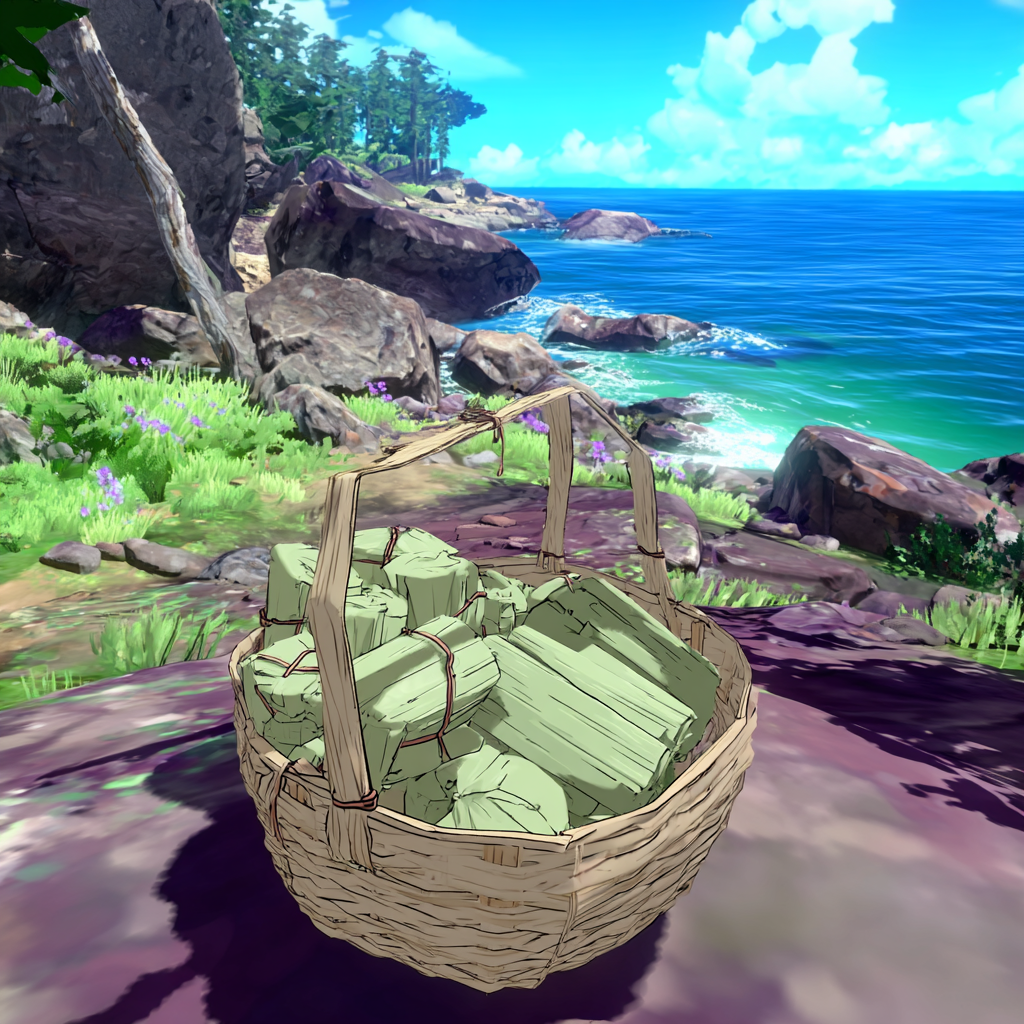
The shore encounter unfolds like the most perfectly orchestrated character recruitment sequence ever designed, where the universe conspires to bring together exactly the right people at precisely the moment when their complementary skills become essential for mission success. I watch this interaction develop with the kind of appreciation reserved for witnessing organic team formation that feels completely natural rather than forced by plot convenience.
Topher approaches Roanne like a polite quest-giver who understands that successful recruitment requires respectful communication rather than desperate pleading. His posture demonstrates the kind of genuine courtesy that comes from someone who’s been taught proper social interaction protocols but also naturally treats people with consideration regardless of age differences or social hierarchies.
“Good afternoon, Ate Roanne. Sorry to bother you, but could I ask for your help?” he requests with the kind of formal politeness that immediately signals this isn’t casual conversation but important business that deserves serious attention.
His approach reveals someone who’s learned to balance child-like directness with mature recognition that asking for assistance requires acknowledging the other person’s time and autonomy rather than just assuming everyone exists to solve his problems when supernatural emergencies arise.
Roanne responds with the kind of immediate nurturing instinct that would make Studio Ghibli maternal figures proud of her natural caretaking abilities. “Come, sit with me by those rocks. Let’s share my lunch, and we can talk about your predicament.”
Her invitation demonstrates understanding that important conversations require proper settings and shared comfort rather than rushed exchanges that might miss crucial details or emotional nuances. The way she takes Topher’s hand shows natural protective instincts activating without being possessive or controlling about his independence.
The spot by the rocks creates an intimate conversation zone where they can discuss supernatural rescue missions without other beachgoers overhearing details about magical board games and trapped shooting stars that would probably sound like elaborate child fantasy to casual observers who haven’t witnessed cosmic phenomena firsthand.
“What’s the problem?” she asks while handing Topher a rice meal wrapped in a large banana leaf that represents the kind of traditional Filipino food presentation that connects people to cultural traditions and family heritage through shared eating experiences.
The banana leaf wrapping transforms simple meal sharing into something that feels more ceremonial and meaningful—like she’s providing not just nutrition but also cultural education and family-style hospitality that makes guests feel valued rather than just tolerated during emergency consultations.
“Could you eat with your hands?” Roanne asks again, introducing Topher to traditional Filipino dining customs that prioritize direct connection with food rather than maintaining distance through utensil mediation.
Her question suggests someone who understands that cultural sharing creates bonds between people that transcend simple conversation, and that teaching traditional practices helps establish trust and mutual respect that will be essential if they’re going to work together on challenging missions.
“This is nice,” Topher responds with genuine delight that suggests he’s someone who appreciates new experiences and cultural learning rather than just tolerating unfamiliar customs because politeness requires it.
His enthusiasm for eating with his hands demonstrates openness to different approaches and willingness to adapt his behavior when situations call for flexibility rather than insisting on familiar methods that might not be appropriate for all cultural contexts.
“We have to save my little friend. He’s trapped inside a magical board game,” Topher explains with the straightforward honesty that comes from someone who’s decided that successful collaboration requires complete transparency about supernatural circumstances regardless of how impossible they might sound to skeptical audiences.
His delivery carries genuine urgency rather than dramatic exaggeration, suggesting he’s treating this as factual briefing rather than storytelling designed to entertain or manipulate emotional responses from potential allies who might be willing to help if properly motivated.
Roanne pauses for a moment in what appears to be internal processing time where she’s clearly making decisions about how to respond to information that doesn’t align with conventional reality frameworks but comes from someone who seems completely sincere rather than deliberately deceptive.
Her decision to let Topher keep his ‘imaginary friend’ reveals sophisticated understanding of child psychology and developmental needs that suggests she’s learned when supporting someone’s emotional wellbeing matters more than correcting their factual accuracy about supernatural phenomena that adults typically dismiss as fantasy.
Her approach demonstrates the kind of empathetic maturity that recognizes nine-year-olds might need imaginative companions during stressful periods, and that challenging these relationships could cause more harm than allowing them to continue until the child naturally outgrows them through normal development processes.
“I want to free my little buddy so he can return to the stars,” Topher continues while looking up at the sky with the kind of focused intensity that suggests he’s actually visualizing cosmic destinations rather than just engaging in abstract conversation about hypothetical scenarios.
His gaze carries genuine longing and determination that transcends simple childhood fantasy into something that feels more like personal mission commitment based on real emotional attachment to whatever entity he believes needs rescue from supernatural imprisonment.
“But if he goes back, he’ll leave you behind,” Roanne points out with gentle wisdom that acknowledges the emotional complexity of his stated objective while helping him process the implications of successful mission completion.
Her observation reveals someone who understands that rescue operations often involve personal sacrifice and that helping others achieve freedom sometimes requires accepting separation from relationships that have become important sources of comfort and companionship.
“It’s okay. I want him to be happy. I can’t fly, but he’ll travel the universe and see all those wondrous things,” Topher responds with the kind of selfless maturity that would make adult heroes jealous of his capacity for prioritizing others’ wellbeing over his own emotional needs.
His acceptance of inevitable separation demonstrates understanding that true friendship involves supporting others’ success even when that success requires geographical or dimensional distance that prevents continued close contact through normal interaction methods.
The way he turns briefly to Roanne before gazing back at the sky with a grin suggests someone who’s found peace with difficult decisions and can maintain optimism about positive outcomes even when those outcomes involve personal loss of cherished relationships.
“They say, ‘When you love someone, you set them free,’” Topher adds with philosophical wisdom that leaves Roanne visibly taken aback by the depth of insight coming from someone who’s barely old enough to understand complex relationship dynamics yet somehow grasps principles that many adults struggle to implement successfully.
His quotation demonstrates exposure to sophisticated emotional concepts that suggest either exceptional education or natural wisdom that allows him to absorb and apply relationship philosophy in ways that transcend typical age-appropriate understanding of love, sacrifice, and personal growth.
After finishing his lunch with the satisfied appreciation of someone who’s genuinely enjoyed both the food and the cultural experience, Topher prepares for mission continuation. “I’m going now, Ate Roanne.”
His announcement carries polite finality that suggests he’s grateful for the assistance and conversation but understands that supernatural rescue operations can’t be delayed indefinitely while he processes emotional complexities with sympathetic advisors.
“Where are you going?” Roanne asks as he stands up, her concern shifting from theoretical interest in his imaginative stories to practical worry about his immediate safety during whatever adventure he’s planning to pursue without adult supervision.
“To save my little friend, of course,” Topher smiles with the kind of determined optimism that indicates he’s moved beyond planning phases into active implementation of rescue protocols regardless of potential dangers or logistical complications.
His confidence suggests someone who’s convinced that noble intentions and genuine commitment will somehow overcome whatever obstacles prevent successful mission completion, operating on faith-based problem-solving rather than detailed risk assessment and contingency planning.
“You mean the cave? But it’s dangerous for a boy like you to be out there,” Roanne warns with the protective instincts of someone who’s clearly developed enough attachment to feel responsible for his wellbeing even though they’ve only just met few times.
Her concern reveals recognition that cave exploration involves legitimate physical hazards that could result in serious injury or worse for someone who lacks proper equipment, training, or adult supervision during underground navigation in unfamiliar terrain.
“You don’t have to worry about me, Ate. I’m strong and brave,” Topher assures her with the kind of confident self-assessment that demonstrates healthy self-esteem while potentially underestimating the complexity of challenges that require more than just courage and determination to overcome successfully.
His response suggests someone who’s learned to trust his own capabilities but might not have sufficient experience with dangerous situations to accurately calibrate risk levels or recognize when additional support becomes essential for mission success.
“Most importantly, my Buddy needs me,” he adds with the kind of selfless dedication that reveals his primary motivation involves loyalty and friendship rather than personal glory or adventure seeking that might lead to reckless decision-making during crisis situations.
His emphasis on responsibility toward his trapped companion demonstrates character depth that prioritizes others’ welfare over his own safety considerations, suggesting noble motivations that could lead to either heroic success or tragic consequences depending on execution quality.
“If there’s no stopping you, let me come with you,” Roanne offers with the practical wisdom of someone who’s recognized that preventing dangerous missions might be impossible but participating in them could improve safety outcomes through collaborative problem-solving and mutual support.
Her decision represents classic caretaker logic that prioritizes harm reduction over risk elimination when dealing with determined individuals who will pursue challenging objectives regardless of advice or warnings about potential consequences.
“I can’t say no to that. All the help I can get counts for my friend,” Topher responds with genuine gratitude that suggests he understands the value of experienced allies even though his confidence in personal capabilities might have led him to attempt solo operations.
His acceptance demonstrates mature recognition that rescue missions benefit from diverse skill sets and that collaborative approaches often achieve better results than individual efforts that rely entirely on single-person problem-solving capabilities.
Roanne quickly packs the banana leaves, crumbs, and leftovers into her basket with the kind of efficient cleanup that suggests she’s learned to maintain environmental responsibility even during emergency situations that might tempt people to abandon normal courtesy protocols.
Her actions demonstrate character consistency that maintains cultural values and practical habits regardless of circumstances, suggesting someone who’s internalized proper behavior to the point where it continues automatically even when attention focuses on more urgent priorities.
“Take my hand and guide me to your little friend,” Roanne tells Topher with the kind of gentle authority that balances support with respect for his autonomy and mission leadership rather than attempting to assume control over operations he’s clearly committed to directing personally.
Topher hesitates briefly, his independence instincts conflicting with recognition that accepting guidance might demonstrate wisdom rather than weakness when dealing with situations that benefit from collaborative navigation and mutual assistance during challenging terrain exploration.
His eventual decision to take her hand represents mature compromise that acknowledges both his desire for autonomous operation and his understanding that successful missions often require balancing self-reliance with strategic acceptance of offered support from allies who bring complementary capabilities to shared objectives.
Together, they set off toward whatever supernatural adventure awaits in the cave, their partnership representing the perfect fusion of youthful determination and experienced caretaking that creates optimal conditions for rescue mission success while maintaining appropriate safety protocols for both participants.
Honestly? Watching this recruitment sequence unfold is like witnessing the most organic team formation ever designed, where personality compatibility and complementary skills create natural collaboration that feels completely authentic rather than forced by plot requirements that prioritize narrative convenience over character development authenticity.
Subplot_loading_romance_dlc_vs_main_quest_priority.sav

The kiddie pool area operates like a secondary location where important character development happens while the main adventure unfolds elsewhere. I observe this poolside drama with the kind of fascination reserved for watching side quests that accidentally become more entertaining than the primary storyline because human relationships are always more complex than simple rescue missions.
Carlisle paces around the shallow water zone with the systematic determination of someone who’s treating child location as a serious professional responsibility rather than just casual babysitting duty. His perfectly pressed khakis and crisp polo shirt suggest he’s maintained his butler standards even during pool area reconnaissance, probably because his entire identity revolves around presenting competent authority regardless of circumstances.
“Where did that boy wander off to?” he mutters with the kind of professional anxiety that happens when childcare responsibilities intersect with employment security and the potential consequences involve explaining to concerned parents why their nine-year-old has vanished during what should have been supervised vacation activities.
His expression cycles through calculation, concern, and increasing frustration as he mentally reviews possible search locations while trying to balance thoroughness with time efficiency that might prevent Topher from getting into whatever trouble attracts adventurous kids to unsupervised exploration activities.
“Looking for someone?” The voice emerges from behind him like a perfectly timed random encounter that’s about to completely redirect his attention away from practical concerns toward entirely different types of complications.
Carlisle turns to discover Morissette positioned in the pool like she’s auditioning for a Baywatch revival that prioritizes romantic tension over lifeguard drama. Her black one-piece swimsuit creates the kind of classic beach aesthetic that would make vintage swimwear photographers weep with appreciation for timeless elegance.
Her posture demonstrates strategic positioning that maximizes visual appeal while maintaining enough casual confidence to suggest this arrangement happened naturally rather than through calculated seduction planning. The way she lounges indicates someone who’s learned to work with whatever advantages she possesses when opportunities for romantic advancement present themselves.
“But you found me instead,” Morissette remarks while peeking over her sunglasses with the kind of sultry delivery that would make James Bond film editors proud of her ability to transform simple conversation into flirtatious invitation through vocal inflection and strategic eye contact.
Her smile carries genuine affection mixed with playful confidence that suggests she’s operating on the assumption that romantic interest is mutual rather than just hoping her advances won’t be rejected by someone who might prefer to maintain professional boundaries during family vacation interactions.
“Whoa,” Carlisle stammers with the kind of flustered response that happens when people encounter situations that weren’t covered in butler training programs and require improvised social navigation through territory that combines workplace professionalism with personal attraction dynamics.
“I’m just not used to seeing you like this,” he continues with diplomatic honesty that acknowledges the visual impact while attempting to maintain appropriate behavioral standards that probably don’t include detailed commentary on coworker swimwear choices during family vacation activities.
His reaction suggests someone who’s clearly noticed Morissette’s romantic interest but is struggling to balance professional responsibilities with personal feelings that might complicate their working relationship in ways that could create employment difficulties for both of them.
Meanwhile, completely separate drama unfolds as Allison emerges from the girls’ restroom like a character who’s about to receive crucial plot information that will redirect her personal objectives toward the main storyline happening elsewhere.
Her phone displays a message from James that reads like mission briefing disguised as casual family update: We just finished lunch. I, my siblings—Benjamin, Michael, and Sophie—will be off to the cave later. We’ll join Topher, who found a prerelease brand-new board game. He’s on a mission to save his imaginary friend—a shooting star. Sent 1:15 pm.
The text contains enough intriguing elements to trigger anyone’s curiosity algorithms: mysterious cave locations, brand-new board games, and supernatural companions that sound like either elaborate child fantasy or genuine magical phenomena that deserve investigation by people with functioning social media instincts.
“A prerelease, brand-new board game found inside a cave? This is gold for my struggling vlog channel!” Allison realizes with the kind of content creator excitement that happens when boring vacation activities suddenly present opportunities for unique material that could potentially generate significant audience engagement.
Her eyes light up with entrepreneurial vision as she processes the marketing potential of documenting whatever’s happening in that cave, probably imagining video titles like “MYSTERIOUS BOARD GAME FOUND IN SECRET CAVE!” that would make algorithm optimization specialists proud of her instinctive understanding of clickbait psychology.
Back at the poolside romantic subplot, Morissette advances her seduction strategy with tactical precision that would make relationship coaches proud of her direct communication approach.
“Care to help me with some lotion?” she asks with a smirk that clearly indicates this request involves more than just practical sun protection assistance and represents an opportunity for socially acceptable physical contact that could advance whatever relationship objectives she’s been planning.
Her suggestion demonstrates understanding that the best romantic advances involve plausible practical justification combined with obvious underlying invitation that gives the other person clear choice about participation level without creating awkward rejection scenarios if interest isn’t mutual.
“Oh my, how could I refuse?” Carlisle responds with the kind of gentlemanly acceptance that suggests his professional courtesy training has collided with personal attraction in ways that override his usual careful boundary maintenance during workplace interactions.
His agreement carries genuine interest rather than just polite obligation, indicating that whatever romantic tension has been building between them has reached the point where he’s willing to participate in activities that definitely weren’t included in his original job description.
“But we have to be quick. I’m still on Topher’s trail,” he bargains with practical honesty that acknowledges competing priorities while attempting to balance professional responsibilities with personal desires that have clearly become significant enough to influence his decision-making processes.
“A quickie massage sounds just right,” Morissette agrees with the kind of efficiency that suggests she’s perfectly willing to work within whatever time constraints his other obligations require as long as she gets some opportunity for romantic progress.
She repositions herself face down on the bench while Carlisle settles beside her with the careful attention of someone who’s about to provide personal services that definitely blur the lines between professional interaction and intimate contact.
The lotion application process begins with him squeezing product into his palm before beginning gentle application that demonstrates both practical competence and genuine care for her comfort rather than just rushed completion of requested assistance.
Morissette’s ecstatic sigh suggests the massage is achieving its intended effects on multiple levels—both practical skin care and romantic relationship advancement that makes this brief poolside encounter feel more significant than casual vacation interaction between coworkers.
“Poor Morissette, so in love with that butler from the Kennedys. But this gives me the perfect distraction to sneak away,” Allison thinks while observing this romantic development with the calculating appreciation of someone who’s just been handed ideal circumstances for unauthorized adventure participation.
Her internal commentary reveals understanding that adult romantic drama creates excellent cover for teenage escape operations, and she’s clearly prepared to exploit this distraction opportunity to join whatever cave exploration mission promises content creation gold for her struggling social media endeavors.
Honestly? Watching these parallel storylines develop is like witnessing the perfect demonstration of how family vacations create multiple simultaneous adventures where romantic subplots provide cover for main character missions that adults probably wouldn’t approve if they weren’t distracted by their own relationship complications.
Domestic_crafting_simulator_family_portrait_dlc.sav
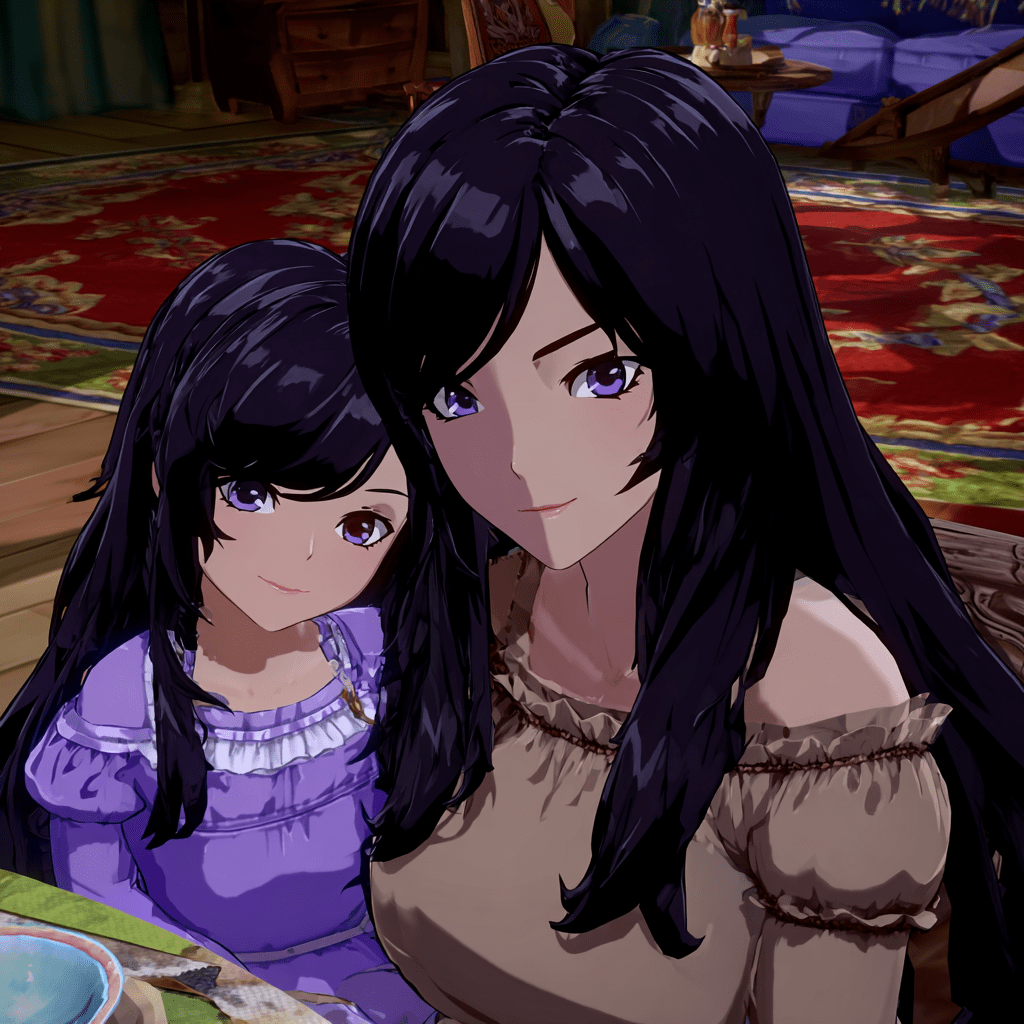
The guesthouse living room transforms into the most wholesome crafting workshop imaginable, where Martha and Mary engage in cross-stitching like they’re participating in the most meditative multiplayer experience ever designed. I observe this domestic scene with the kind of appreciation reserved for watching people find genuine satisfaction in activities that require patience, precision, and collaborative creativity rather than instant gratification.
They position themselves on the floor against the couch like they’ve optimized their crafting setup for maximum comfort during extended creative sessions. The glass center table serves as their primary workspace, displaying materials and tools with the kind of organized efficiency that would make Animal Crossing decorating enthusiasts jealous of their functional aesthetic arrangement.
The cartoonish family drawing propped on a light wooden holder looks like concept art for the world’s most heartwarming family simulation game. The gridded bond paper shows the Pangilinan family in simplified but recognizable form—Dad, Mom, three sons, and two daughters arranged with the kind of cheerful symmetry that makes family portraits both authentic and aspirational.
The artwork itself radiates the kind of innocent charm that comes from someone who prioritized emotional accuracy over technical perfection, creating representations that capture personality and relationship dynamics rather than just physical resemblance. Each figure displays distinctive characteristics that make identification easy while maintaining the unified style that transforms individual family members into cohesive artistic composition.
Martha works with the focused precision of someone who’s clearly mastered cross-stitching mechanics through extensive practice and probably years of creating similar projects for family occasions and personal satisfaction. Her x-shaped stitches follow the grid pattern with mathematical consistency that suggests she’s internalized the spatial relationships required for accurate textile reproduction.
The Aida cloth beneath her hands displays that distinctive even-weave texture with visible squares and holes that create perfect guidance systems for precise stitch placement. Her needle moves with practiced efficiency as she navigates the fabric’s structure, demonstrating the kind of muscle memory that comes from someone who’s completed enough cross-stitch projects to develop genuine expertise in textile crafting techniques.
Mary mirrors her mother’s actions from the opposite side of the design like a dedicated co-op partner who’s learning advanced crafting skills through direct observation and hands-on practice. Her smaller hands work with careful attention as she attempts to replicate Martha’s technique while maintaining the quality standards that will ensure their collaborative project achieves professional-level results.
The mother-daughter coordination creates the kind of synchronized creativity that demonstrates how traditional handicrafts can serve as bonding activities that teach practical skills while building relationships through shared focus on meaningful objectives that require sustained cooperation and mutual support.
“Nanay, am I doing this right?” Mary asks with the worried tone that happens when people want to contribute meaningfully to collaborative projects but feel uncertain about their technical competence in activities that require precision and experience to execute successfully.
Her concern reveals someone who’s genuinely invested in producing quality work rather than just participating casually in family activities, suggesting she understands that cross-stitching requires attention to detail and consistent technique to achieve results that justify the time and effort invested in completion.
“You’re doing great, Anak. Be confident. As long as you follow the pattern faithfully, you’ll never get lost. It’s all in the counting,” Martha responds with the kind of encouraging instruction that demonstrates both teaching expertise and maternal support for skill development.
Her advice encapsulates the fundamental principles of successful cross-stitching—pattern adherence, mathematical precision, and confidence in systematic approaches that transform complex artistic projects into manageable sequences of simple, repeatable actions that build toward impressive final results through accumulated progress.
The teacher in her voice suggests someone who’s learned to break down complicated processes into understandable components that help students develop competence through guided practice rather than overwhelming them with advanced techniques before they’ve mastered foundational skills.
“We started at ten in the morning, and it’s almost two o’clock. We’ll finish this by the end of the day, Nanay. But we’ve only done the shoulders of the family so far,” Mary observes with the kind of progress assessment that demonstrates understanding of project scope and realistic timeline expectations.
Her time calculation reveals someone who’s learning to balance ambition with practical limitations, recognizing that quality crafting requires sufficient time allocation and that rushing through complex projects typically produces disappointing results that don’t justify the effort invested in creation.
The fact that four hours of dedicated work has only completed the shoulder portion of their family portrait indicates the level of detail and precision they’re incorporating into this project, suggesting they’re prioritizing quality over speed in ways that will produce heirloom-quality results worth preserving and displaying.
“You should take your siesta so you can grow,” Martha suggests with the kind of maternal wisdom that recognizes growing children need adequate rest periods regardless of how engaging their current activities might be.
Her reminder demonstrates understanding that even enjoyable projects shouldn’t override basic health requirements, and that proper development requires balancing creative engagement with physiological needs that support long-term wellbeing rather than just immediate satisfaction.
“This is too engrossing, Nanay,” Mary replies with a smile that suggests she’s genuinely absorbed in the creative process and finds cross-stitching sufficiently rewarding to prefer continued crafting over rest periods that might interrupt her flow state.
Her response reveals someone who’s discovered the kind of meditative satisfaction that comes from repetitive creative activities that produce visible progress while allowing the mind to enter peaceful, focused states that feel more restorative than passive rest activities.
“Alright, I’ll let it slide just this once,” Martha relents with the kind of flexible parenting that recognizes when children’s genuine engagement with positive activities justifies temporary deviation from normal routine requirements.
Her decision demonstrates understanding that some learning experiences are valuable enough to warrant schedule adjustments, and that supporting children’s natural enthusiasm for constructive activities often produces better developmental outcomes than rigid adherence to predetermined schedules.
“When it’s finished, we’ll put it in a big frame, right?” Mary asks with anticipatory excitement that suggests she’s already visualizing their completed project displayed prominently as permanent family decoration that will preserve their collaborative creative achievement.
Her question reveals understanding that quality handcraft deserves proper presentation, and that framing transforms personal projects into legitimate artwork that demonstrates both technical skill and emotional investment in family representation through traditional textile arts.
“Of course, Anak. Art always looks better in a frame,” Martha confirms with a smile that suggests she’s genuinely pleased with their progress and shares her daughter’s enthusiasm for creating something beautiful that will serve as lasting testament to their collaborative creativity and family bonds.
Her response validates Mary’s artistic ambitions while reinforcing the principle that handmade creations deserve the same respect and presentation standards as professionally produced artwork, encouraging continued investment in traditional crafting skills that connect them to cultural heritage through hands-on creative expression.
Honestly? Watching this mother-daughter crafting session unfold is like witnessing the most peaceful co-op gaming experience ever designed, where success depends on patience, collaboration, and shared commitment to creating something beautiful that will preserve family memories through traditional handicraft techniques that transform simple materials into meaningful artistic expressions of love and connection.
Party_formation_complete_adventure_mode_activated.sav

The cave entrance becomes the ultimate character selection screen where all seven protagonists finally assemble for what’s clearly about to be the most epic dungeon exploration sequence ever attempted by a group of kids who have wildly different expectations about what they’re walking into. I observe this gathering with the kind of anticipation reserved for watching the perfect party composition come together just as the real adventure is about to begin.
James, Benjamin, Michael, Sophie, and Allison arrange themselves around the cave opening like they’re staging for a group photo that’s about to become legendary family vacation documentation. Each character maintains their distinctive personality through posture and positioning—Michael’s athletic confidence, James’s social coordinator energy, Benjamin’s analytical caution, Sophie’s excited curiosity, and Allison’s content creator focus on optimal camera angles.
The cave entrance itself looks like something that escaped from The Goonies meets Indiana Jones, with rocky formations that suggest either natural geological processes or ancient construction that’s been weathered into mysterious accessibility. Shadows stretch into underground depths that promise adventure, danger, and probably supernatural encounters that none of them are actually prepared to handle.
Michael clutches his phone with the focused intensity of someone who’s treating GPS technology like mission-critical navigation equipment. His expression demonstrates genuine satisfaction as he monitors location data that confirms their rescue target is approaching rather than continuing to wander through unknown terrain where retrieval might become increasingly complicated.
“He’s getting closer,” Michael announces with the kind of update delivery that suggests he’s naturally assumed the role of team communications specialist who keeps everyone informed about tactical developments that affect group coordination and mission timing.
His voice carries relief mixed with anticipation, probably because successful party formation requires all essential members to actually arrive at designated meeting points rather than getting distracted by whatever complications tend to derail family vacation adventure planning.
“There he is!” Michael’s spot-first declaration reveals someone whose athletic training has probably developed superior visual scanning abilities that detect movement and recognize familiar figures at distances where other people might still be processing whether approaching shapes represent relevant targets.
“And he’s with Roanne from the icebreaker,” James adds with the kind of happy recognition that suggests he’s genuinely pleased to see additional party members joining their exploration mission, especially someone whose responsible nature might provide useful balance for whatever challenges await underground.
His tone indicates approval rather than concern about group size expansion, demonstrating understanding that cave exploration benefits from diverse skill sets and that Roanne’s presence probably improves their overall safety margins through experienced adult supervision that doesn’t feel controlling or restrictive.
Topher and Roanne approach hand in hand like they’ve established a partnership that combines his determined leadership with her protective guidance, creating exactly the kind of collaborative dynamic that makes family adventure stories work when responsible older characters support younger protagonists without undermining their autonomy or heroic agency.
Their connection radiates mutual respect and shared commitment to whatever mission has brought them together, suggesting that Roanne has moved beyond treating Topher’s supernatural claims as childhood fantasy into genuine support for objectives she might not fully understand but clearly considers important enough to warrant collaborative assistance.
“Ate Roanne, as I said before, I told my cousins about the cave,” Topher repeats with the kind of courtesy that acknowledges her potential concern about walking into situations that might involve more people than originally anticipated during their initial mission planning discussions.
His explanation demonstrates awareness that successful team coordination requires keeping all participants informed about developments that might affect their comfort levels or decision-making about continued participation in activities that could become more complex than simple rescue operations.
Roanne’s quiet observation suggests someone who’s processing group dynamics and individual personality types while calculating how her supervisory role might need to adapt when dealing with multiple children who probably have different risk tolerance levels and safety awareness standards.
Her expression carries the kind of thoughtful assessment that happens when responsible people find themselves managing situations that involve more variables than originally expected, requiring real-time adjustments to protective strategies and group management approaches.
“Since everyone’s here, we’re all set.” Allison’s declaration comes with the efficient energy of someone who’s clearly been waiting for optimal conditions to commence whatever content creation objectives she’s been planning since learning about this mysterious cave situation.
She produces her phone and selfie stick from her shoulder bag with the practiced movements of someone who’s clearly spent significant time optimizing her mobile recording setup for maximum flexibility during spontaneous content creation opportunities that require professional-quality documentation.
“This is gonna be so exciting,” she announces while attaching her phone to the selfie stick with the kind of technological competence that suggests she’s mastered the equipment aspects of social media production and can focus on creative content rather than struggling with technical complications during filming.
Her enthusiasm radiates genuine excitement about the entertainment potential rather than just obligation to document family activities, indicating she’s identified legitimate opportunity for engaging content that could potentially advance her aspirational influencer career objectives.
“I don’t know about you guys, but I’ll be recording our little adventure for my vlog on YouTube. I hope that’s okay with everybody.” Allison’s permission request demonstrates courtesy about group consent while simultaneously making it clear that she’s committed to filming regardless of potential objections from family members who might prefer privacy.
Her approach balances politeness with determination, suggesting someone who’s learned to navigate family dynamics in ways that maintain relationships while pursuing personal goals that require documentation of shared experiences for external audience consumption.
“Everyone, brace yourselves. We’re going inside on a rescue mission,” Topher declares with the kind of gallant leadership that would make Lord of the Rings fellowship formation scenes proud of his ability to inspire group commitment to challenging objectives through confident mission statement delivery.
His announcement transforms casual cave exploration into purposeful heroic endeavor that gives everyone clear understanding of their collective objective while establishing him as the natural leader whose personal stakes in this operation justify his authority over group decision-making and tactical planning.
“Hello everyone, my subscribers and dear viewers. This is Allison Sevilla once again. Today, my cousins and I are entering a cave. Our families are on vacation in Laiya, and we have one guest—Roanne, a family friend. This is so exciting! Have you ever heard of a board game left in a cave…?”
Allison launches into professional vlog introduction mode with the practiced delivery of someone who’s clearly spent considerable time developing her on-camera personality and content presentation skills through previous recording experience and probably extensive study of successful YouTube creators.
Her impromptu introduction demonstrates impressive ability to create engaging content setup that provides context for new viewers while building anticipation for whatever discoveries await in the cave, essentially transforming their family adventure into entertainment programming with genuine production value.
The party advances deeper into the cave like a perfectly coordinated adventure team that’s finally ready to discover whatever supernatural phenomena await in the underground chambers where ancient magical artifacts probably hold the keys to cosmic transformation that will change their lives in ways none of them can possibly anticipate.
Honestly? Watching this group finally assemble and commit to cave exploration is like witnessing the perfect culmination of character development and motivation alignment that transforms individual family vacation activities into collaborative heroic adventure that’s about to unlock the fantasy elements that have been building toward this exact moment since the cosmic transformation sequence began.


Leave a Reply