Overview:
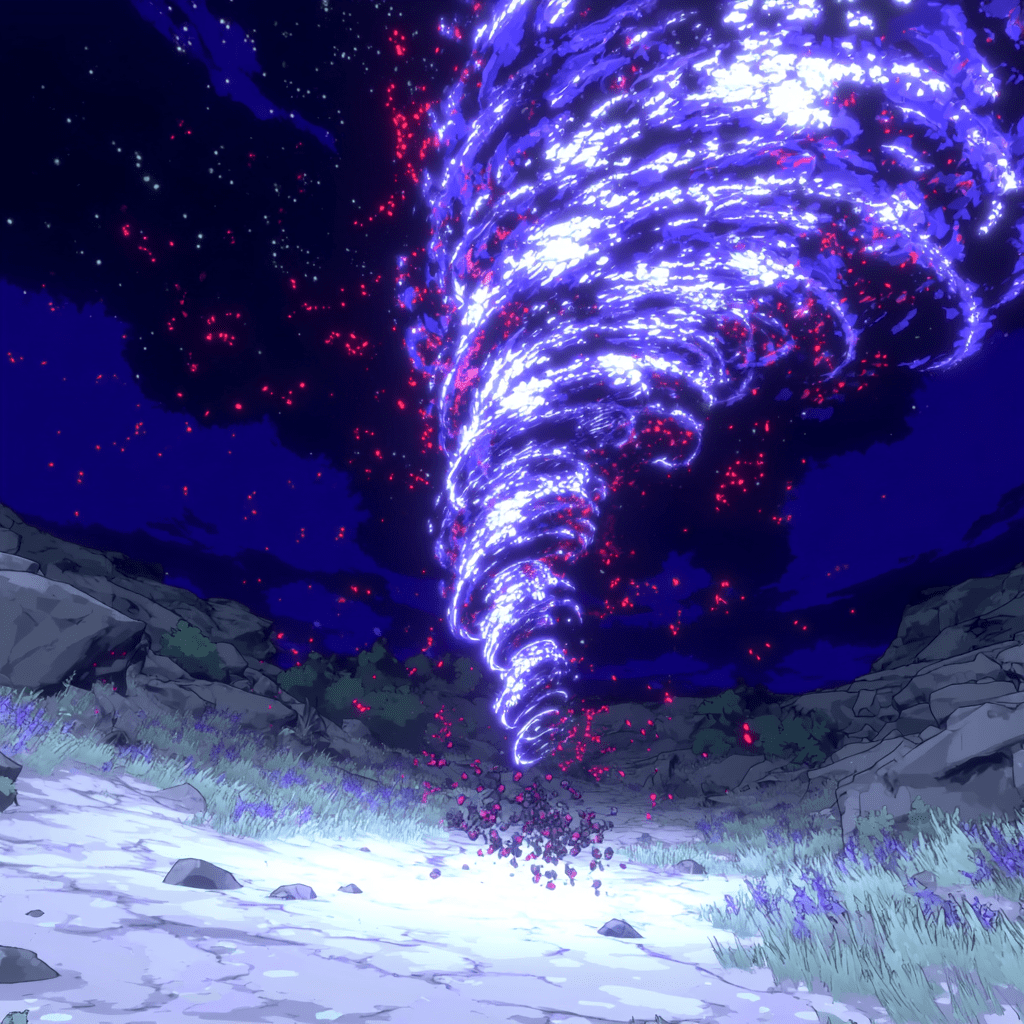
| Roanne’s token, the mermaid princess Ruana, lands on the lone gray platform, a special playing space. The country girl is hailed as “the chosen one” under the tenth hidden rule, allowing her to advance straight to FINISH. Later in the board game, the eleventh twist rule activates as a pity system: the mercy of the Goddess of Stars, Astrea, allows Benjamin, the second-to-last player, to go directly to the finish line. Michael becomes thrilled by the board’s undiscovered character—a cult leader from the horror genre—and instantly jumps at the chance to scare the other players. Good-natured Topher reaches the crystal ball at the center the old-fashioned way: simple “roll and move.” Consequently, the Ivory Luminary of the Seventh Plane finally revolves around the Star of Vis, completing the Visean Cosmos. Suddenly, a stellar twister erupts from the board, sending the children fleeing for their lives. |
Hidden_rule_x_the_chosen_one.sav
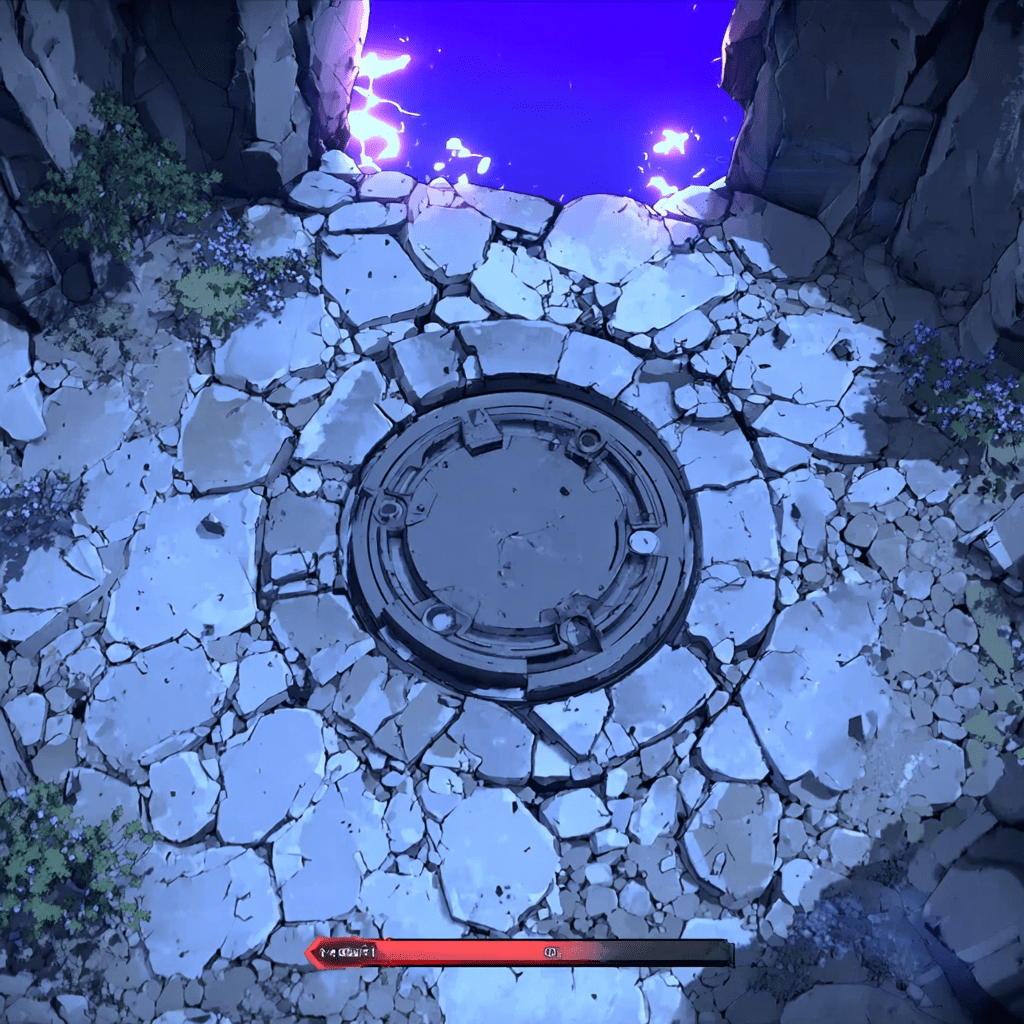
Roanne picks up the dice—old-school white plastic cubes with black pips, the kind that’s survived a thousand tabletop campaigns. Her fingers curl around them, shaking once, twice. The motion reminds me of every JRPG animation I’ve ever watched, right before the RNG gods decide whether you get that legendary drop or another useless potion.
The dice tumble across the board. They clatter against the wooden surface with that satisfying tak-tak-tak sound. Snake eyes? Boxcars? Nah—something middle-range. The mermaid princess token immediately responds like it’s magnetized or—more likely—micro-chipped with some next-gen Arduino tech. Classic “advanced board game” behavior.
The token’s actually pretty detailed for clay: flowing gown carved with tiny ridges to simulate fabric, a moon scepter that catches the firelight, even miniature crown details on her head. She glides forward—autonomous movement detected—navigating the sprawling blue platforms in the upper-left panel of the board.
That section’s the Northwest quadrant, depicting outer space. Not the boring, empty-void kind of space. This is the aesthetic space—glowing cyan nebula clouds swirling across a painted starfield, cosmic dust rendered in gradients that would make any concept artist jealous. The blue platforms form a winding path through the celestial artwork; each one raised slightly like hexagons in a strategy game.
And there it is.
The mermaid token stops on a single gray platform. Gray. The exact same color as the clay tokens themselves. In a sea of blue, this one square stands out like a hidden Easter egg waiting to be discovered.
Of course there’s a gray platform, I think with the weary wisdom of someone who’s played enough games to recognize a special trigger space when I see one. Because why wouldn’t there be?
The holographic display—or whatever quantum-computing sorcery powers this thing—flickers. The Visean Cosmos disappears, replaced by text that materializes mid-air in glowing blue-white letters, the font somewhere between Tron and ancient mystical runes:
HIDDEN RULE
X. Should you reach ‘THE CHOSEN’—the only gray platform—advance directly to FINISH.
“The Chosen,” I mutter under my breath. Because of course they’d use The Chosen One trope. Every story needs one. Every game has a secret shortcut for that special player who stumbles onto the right space at the right time.
The mermaid princess token starts moving again, but differently now. She drops forward—face-plants is more accurate—flat against the board’s painted surface. Her legs seem to vanish, the gown transforming into something that ripples like a tail. The token drags itself across the board, crawling on its belly, undulating in serpentine motion toward the golden platforms of Heaven in the North.
It’s oddly mesmerizing. Like watching stop-motion animation, except nothing’s stopping. The token’s actually swimming through air, the clay somehow fluid despite being solid. Nanotechnology? Electromagnetic fields? Sufficiently advanced magnets that might as well be magic?
The mermaid-sorceress climbs onto one of the seven silver pedestals surrounding the crystal ball, her tiny hands gripping the platform’s edge. She settles into place with the satisfied click of a puzzle piece finding home.
Then the board responds.
The seafoam green luminary—this translucent, glowing orb about the size of a tennis ball—emerges from the crystal ball’s depths. It rises slowly, majestically, like a planet ascending from behind a horizon. The luminary settles into its orbital path, revolving in a concentric ring around the Star of Vis, positioning itself in the fifth plane, farther out than the orange luminary that’s already spinning away.
Five down. Two to go.
Roanne leans back, studying her handiwork. “I ascended as an Acolyte next to the crystal ball.” Her voice carries that quiet satisfaction of someone who just pulled off something unexpectedly cool. No bragging, no fist-pumping—just acknowledgment.
But Michael? Michael’s got opinions.
“What? Another hidden rule?” He’s back from his push-up session in the corner, his face flushed from exertion, black hair stuck to his forehead with sweat. He gestures at the board with both hands, the universal body language for what-the-actual-heck. “How many odd rules are there? It’s like the game is just making up whatever rules it wants along the way.”
His tone’s accusatory, directed at some invisible game designer who clearly didn’t playtest this thing enough.
Allison doesn’t miss a beat. She’s still kneeling by her phone setup, probably reviewing footage for her Musical.ly account, but her eyebrow arches with surgical precision. That single raised eyebrow could cut glass.
“You’re back. Done with your workout?” The question drips with sisterly sarcasm. She pivots, facing Michael fully now, her expression shifting into full sass mode. “And says the guy who was so ecstatic when he rolled a double one on START—thanks to a ‘hidden rule.’”
She even does air quotes around “hidden rule,” her fingers making quotation marks.
“You almost didn’t even play the game since you won as soon as you started,” she continues, her tone sharpening to a fine point.
Gottem, I think, suppressing a smirk. Nothing quite like sibling rivalry to expose hypocrisy in real-time.
Michael opens his mouth, probably to defend himself, then closes it. His shoulders drop slightly. Even he recognizes when he’s been outmaneuvered.
The fire crackles. Shadows dance across cave walls. And the game continues.
Astreas_mercy.sav
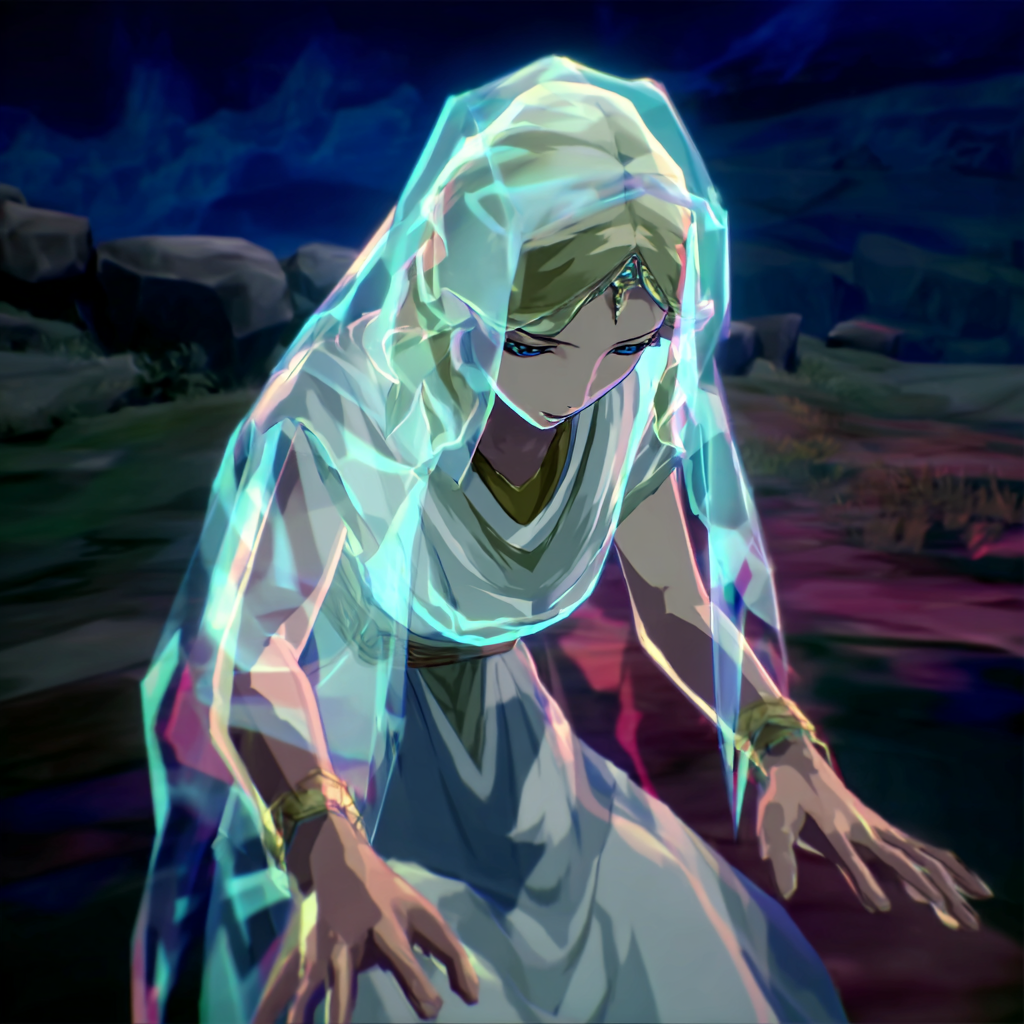
Benjamin adjusts his glasses—the wire-frame kind that screams “I read the manual before playing”—and scoops up the dice. His grip is precise, methodical. No dramatic shaking, no luck rituals. Just a quick, efficient toss like he’s executing a calculated move in a strategy game where probability curves actually matter.
The dice hit the board. Four and three. Seven spaces.
His space captain token responds immediately—because of course it does, autonomous movement is just how this board operates now—marching forward across the golden platforms. The token’s detailed for something made of clay: full-body armor with ribbed joints, a rounded helmet with a dark visor slit, even tiny boots with tread patterns. It’s like a mini action figure from some retro sci-fi franchise, the kind with the aluminum lunch boxes and Saturday morning cartoons.
The upper panel—Heaven, the North quadrant—stretches before him. Golden clouds painted with shimmering metallic pigment catch the firelight, giving off this ethereal glow like divine Photoshop filters cranked to maximum. Holy light radiates from some unseen celestial source, illuminating the sprawling line of tiny golden platforms that spiral inward toward the center.
Benjamin watches his token advance. One platform. Two. Three. His lips press into a thin line, jaw tightening. The body language of someone watching their character get hit by bad RNG in a permadeath run.
“This is why I prefer games requiring skill over those that rely too much on luck.” His voice carries that particular frustration of the skilled player betrayed by dice rolls. He pushes his glasses up the bridge of his nose—a nervous tic. “I happen to be cursed with bad luck.”
Classic deterministic mindset, I observe. Kid would probably love chess. Or StarCraft. Something where execution matters more than rolling the right numbers.
The observation hangs in the cave air because it’s true: Benjamin and Topher are the only players left in the game. Everyone else has either shortcutted their way to victory or found some hidden rule to exploit. Just these two, grinding it out the hard way.
Then the board decides to intervene.
The holographic display flickers. The Visean Cosmos vanishes again—seriously, how many hidden rules does this thing have? —replaced by glowing blue-white text that materializes like a pop-up notification:
HIDDEN RULE
XI. Poor misfortunate fellows—if you are second to last, advance directly to FINISH.
The space captain token jolts forward like someone hits fast-forward. It doesn’t glide or swim like the previous tokens. It propels—rockets, really—shooting across the golden platforms in a blur of gray clay and painted armor details. The movement’s almost violent in its efficiency, like a railgun firing a projectile toward its target.
Michael lets out a bark of laughter from his corner. He’s still sweaty from his workout, black hair disheveled, and his grin is absolutely merciless. “The board took pity on you, Benjamin.” He emphasizes each word with gleeful mockery. “Because you’re so unlucky, hehehe.”
Brutal, I think. But also, kind of fair. Kid literally complained about bad luck and immediately got a pity rule to bail him out.
The space captain lands on FINISH—that calligraphy-written word on the heraldic shield in Heaven’s northern reaches. The token climbs the silver pedestal with its tiny clay hands gripping the edges, pulling itself up. There’s something almost dignified about the motion, like a soldier ascending to receive a medal.
Ascension complete. Follower to Acolyte in one hidden rule.
The cyan luminary emerges from the crystal ball’s depths—this brilliant, translucent orb glowing with blue light that shifts between azure and turquoise. It rises slowly, finding its orbital path in the sixth concentric plane, farther out than the seafoam green luminary that’s already spinning its eternal circuit around the Star of Vis.
Six down. One to go.
Allison’s practically vibrating with satisfaction. She’s still by her phone setup, reviewing footage on the tiny screen, but her smile could power a small city. “I’ve recorded everything.” She emphasizes the word like a documentary filmmaker who just captured rare wildlife footage. “James’ minigame, Roanne THE CHOSEN, and now the game’s mercy for poor Benjamin.”
Her tone’s triumphant. This vlog’s going to get views.
Benjamin’s shoulders tense. His jaw works like he’s chewing his response before speaking. “You don’t have to put it like that.” His voice stays measured, controlled, but there’s an edge underneath. “You could just say your Kuya Benjamin got lucky this time.”
Kuya—older brother. Filipino honorific. Kid’s trying to leverage respect culture to soften the blow.
Allison’s response is immediate. She whips around, face lit with sisterly mischief, one eyebrow arched in perfect sass formation. “‘Poor misfortunate fellows’ sounds like pity to me—sorry!”
She punctuates this with a wink and her tongue sticking out—the universal gesture of I’m-right-and-you-know-it.
Benjamin sighs. His shoulders drop.
Sometimes the board gives mercy. Sometimes your cousin documents it for the internet.
That’s just how it goes.
The_eighth_token.sav
Michael’s rifling through the character profiles like he’s browsing a trading card collection. His fingers flip past the colorful paperboards—cyan, scarlet, orange, pink, yellow, seafoam green, ivory—all the tokens already claimed and ascended. But there’s one more. One that nobody picked.
Black paperboard.
His eyes light up. That specific gleam that means he’s found something good. Something deliciously inappropriate.
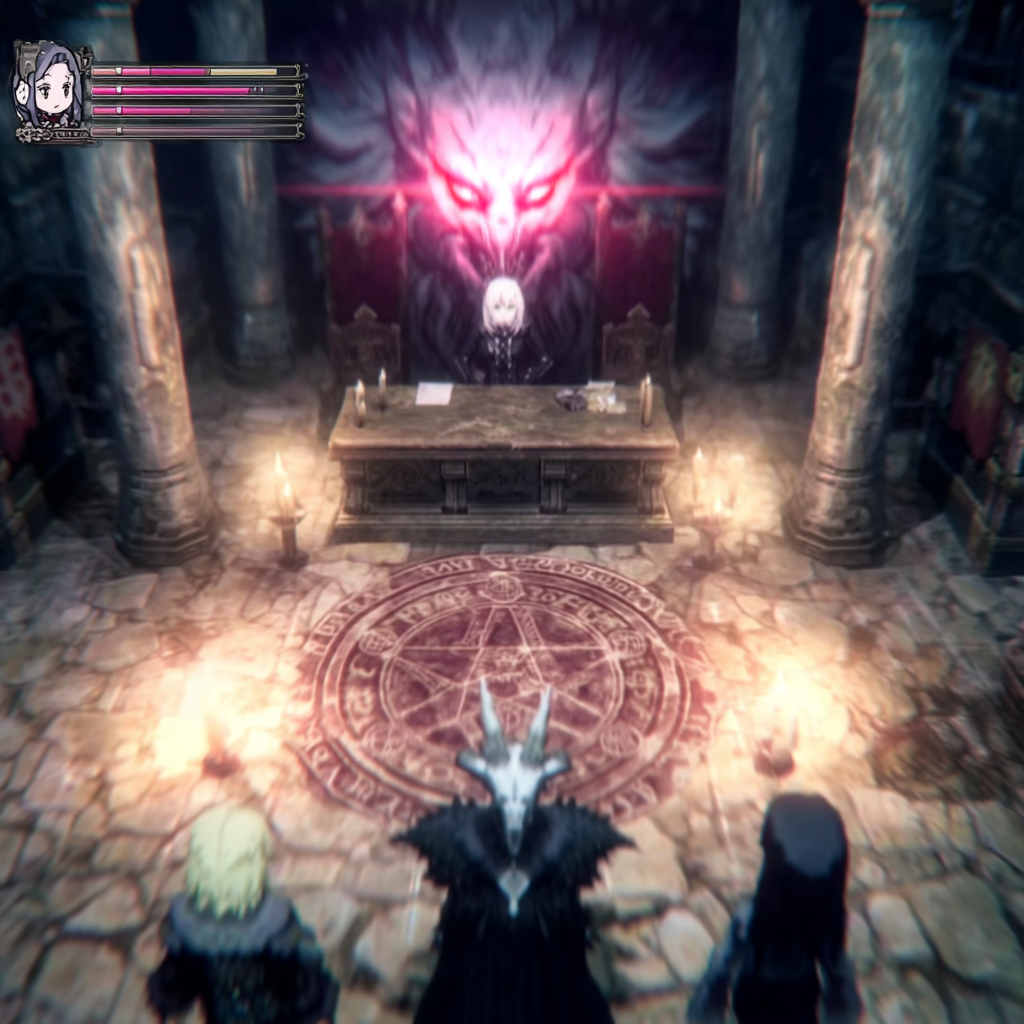
“Oh, look what I have here.” He holds up the black paperboard, angling it toward the firelight so everyone can see. The shadows make it look even darker, like he’s holding a piece of void. “A cult leader from the horror genre.”
Of course there’s a horror option, I think. Every multimedia board game needs its token edgelord character. The one parents side-eye when they read the box description.
Michael starts reading aloud, his voice dropping into that dramatic narrator tone people use for creepypasta readings. “It says here that this is set in a sleepy town shrouded in thick fog from twilight to dawn, only clearing up when the sun rises.” He pauses for effect, letting that image sink in. “But don’t be fooled—the day is just a mirage hiding the horrors lurking beneath.”
The cave suddenly feels smaller. The fire’s warmth doesn’t quite reach as far.
“There’s an underground society of Satanists who sacrifice people to bring the Antichrist into the world.” Michael grins—full teeth, the expression of someone enjoying being the disturbing presence in the room. His eyes scan the rest of the profile, and his grin widens.
Silent Hill meets Rosemary’s Baby meets every occult horror trope ever, I catalog mentally. Probably throws in some Lovecraft references too. The usual dark fantasy cocktail.
“This is mad and crazy—pure R-rated blood and gore!” Michael adds, like he’s reviewing a movie on YouTube. His enthusiasm’s genuine. Kid probably sneaks horror films on his tablet after everyone’s asleep.
Sophie’s reaction is immediate. She’s sitting cross-legged on the cave floor, her small frame suddenly rigid. Her hands grip her knees, knuckles going pale. “Um, I’m really scared right now.” Her voice trembles, pitched higher than normal—the vocal signature of genuine fear in a four-year-old.
Vulnerable audience member detected, I note. Horror’s not for everyone, especially not preschoolers.
James, ever the diplomat, tries to reframe the situation. He’s leaning against the cave wall, one knee bent, projecting casual confidence. “Scary movies can be fun! Friends need a good fright together every once in a while.” His tone’s light, reassuring—the voice of someone who’s watched Goosebumps and thinks that’s peak horror.
Allison seizes the opportunity for more content. She’s still by her phone setup, but her attention’s fully on the conversation now. A flirty smile curves her lips, eyes bright with mischief. “Especially if you’re with your boyfriend.” She emphasizes the word, drawing it out. “You get an excuse to cling tightly to that big, strong arm.”
She mimes the gesture—wrapping her arms around an invisible person, leaning her head against imaginary shoulders.
Romance subplot detected in horror context, I observe. Classic combo. Half the appeal of scary movies is having someone to hide behind.
Benjamin had enough. His expression hardens—jaw setting, eyes narrowing behind his wire-frame glasses. He straightens from his seated position, shoulders squaring. “Michael, put the character profile away—you’re scaring Sophie.”
It’s not a request. It’s an older brother pulling rank.
The frown on Benjamin’s face is sharp, disapproving. His gaze locks onto Michael with that specific intensity that means I’m not playing around.
Michael’s response is instant defiance. He meets Benjamin’s stare, chin lifting. “You’re no fun, Benjie.” The nickname lands like a jab—deliberately infantilizing. “Just admit it—you’re chickening out.”
Sibling rivalry intensifies, I think. The classic defensive counter: accuse the accuser of cowardice.
But Michael does tuck the black paperboard away, sliding it back with the other unused profiles. His smirk remains though—the expression of someone who scored points even in retreat.
The bonfire crackles. Sparks drift upward, orange embers dying before they reach the cave ceiling. The flames cast dancing shadows across the wooden board, across the scattered tokens and dice.
And there, among the unused pieces, sits the clay-gray cult leader token. The figure’s draped in a carved cloak, hood pulled low. No face visible—just darkness where features should be. The bonfire’s shadows reach toward it, fingers of darkness momentarily obscuring the token completely.
It sits there. Waiting.
Unchosen. Unplayed.
But present.
Every game has its dark route, I reflect. The path most players skip. The ending that requires specific choices, specific conditions. The horror genre always waits in the shadows—literal and metaphorical.
The cult leader remains on the sidelines.
For now.
The_seventh_acolyte.sav
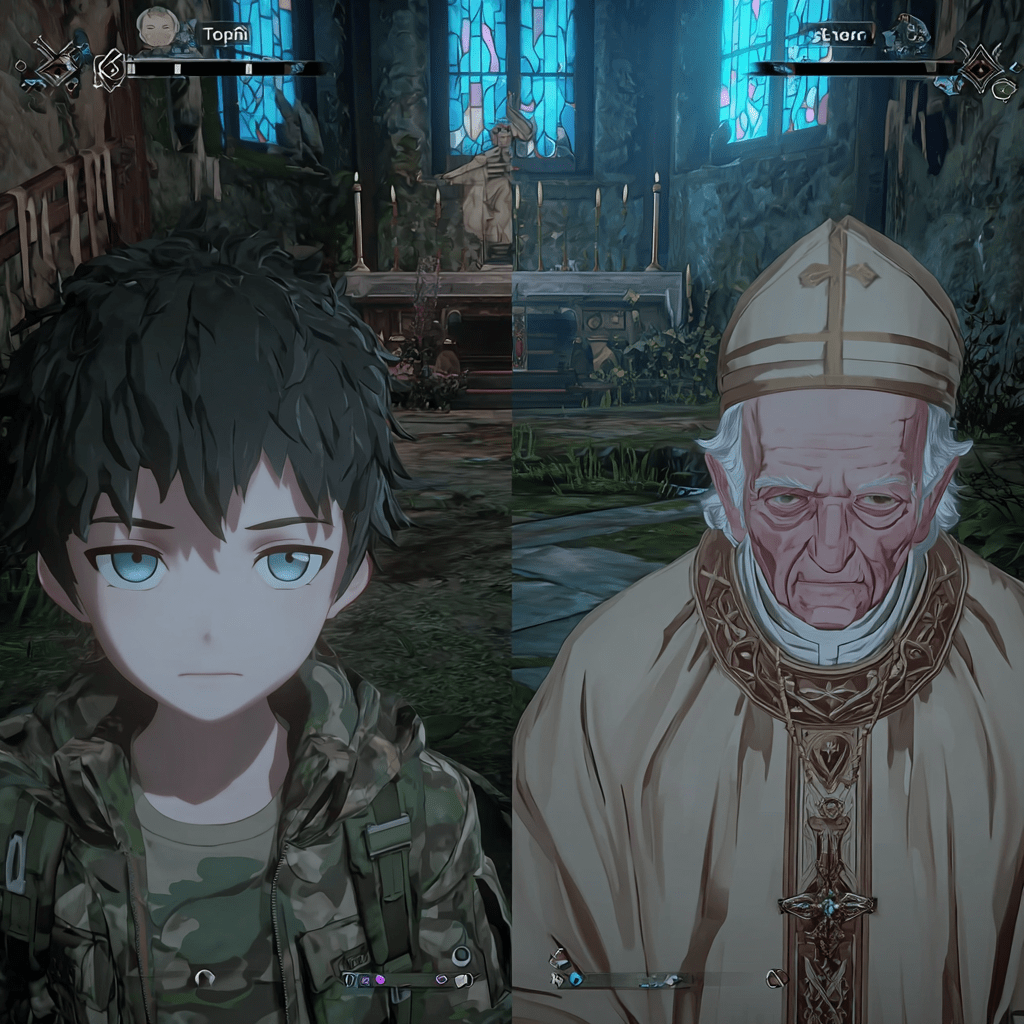
Roanne’s still here. She’s been sitting next to Topher this entire time—cross-legged on the cave floor, patient as a raid party member waiting for that one player who needs to solo the final boss. Everyone else has either finished or wandered off to do their own thing, but not Roanne. She stays, taking turns with him, keeping him company through the grind.
Loyalty stat maxed out, I observe. The kind of party member who doesn’t abandon the group when things get tedious.
Topher picks up the dice. His small hands—nine years old, still growing into himself—shake them once. The gesture’s careful, almost reverent. Like he understands this is the final turn, the moment that completes everything.
The dice tumble.
Six. Six.
Boxcars. Snake eyes’ opposite. The highest natural roll on two D6s.
Twelve.
Damn, I think. Kid rolled maximum. That’s either incredible luck or the board deciding to end things with style.
The paladin token responds immediately—autonomous movement kicking in like always. But I take a moment to really look at this piece, because it’s honestly the most detailed token on the board.
The paladin’s wearing a winged helmet—actual carved wings on either side, swept back like Mercury’s helmet or a Valkyrie’s headgear. The armor’s a mix: plate sections on the chest and shoulders (medieval knight style), chainmail underneath (rendered in tiny textured dots to simulate linked rings), and cloth elements for mobility. A large cape flows down the token’s back, the fabric carved in wave patterns to show movement, the hem actually touching the board’s surface.
In the right hand: a holy sword, blade raised, with a cross-shaped hilt. In the left: a heraldic shield bearing a cross emblem—the classic Crusader imagery but rendered in miniature clay detail.
This token’s giving off major Paladin-class energy, I catalog. Lawful Good alignment. Probably has abilities like Lay on Hands and Divine Smite. The kind of character build that tanks damage while healing the party.
The token glides forward—smooth, steady, like it’s on a conveyor belt at an airport. Twelve spaces through the upper-right panel of the board.
The Kaleidoscope. The Northeast quadrant.
This panel’s almost aggressively feminine. Pastel colors dominate—soft pinks, lavenders, baby blues—arranged in a kaleidoscope pattern that shifts perspective depending on viewing angle. Floral designs bloom across the painted surface: roses, cherry blossoms, tulips rendered in delicate brushstrokes. Hearts scatter throughout—not the anatomical kind, but the valentine symbol, some solid, some outlined. Pink sparkles painted with metallic pigment catch the firelight, glittering like craft store glitter glue.
Magical girl territory, I identify immediately. Sailor Moon, Cardcaptor Sakura, PreCure—the aesthetic that launched a thousand anime franchises. The complete opposite of the horror genre Michael was drooling over earlier.
A sprawling line of tiny pink platforms winds through this pastel wonderland, each one raised slightly, creating the path toward Heaven in the North.
The paladin marches across them, incongruous—medieval knight traversing magical girl dreamscape—but somehow fitting. Like those crossover episodes where different genre characters meet. Kingdom Hearts logic.
The token reaches FINISH. That calligraphy word on the heraldic shield, positioned in the golden clouds of Heaven’s northern reaches.
The paladin climbs. His tiny clay hands grip the silver pedestal’s edge, armored boots finding purchase. The motion’s deliberate, ceremonial—an ascension in both physical and spiritual terms.
Seven pedestals. Seven tokens. All gathered around the navy crystal ball at the center, within the Visean Zodiac’s band of constellation glyphs.
The collection’s complete:
And now, the final luminary.
The ivory luminary emerges from the crystal ball’s depths. It’s different from the others—paler, with this opalescent quality that shifts between cream and pearl white. The orb rises slowly, finding its place in the seventh concentric plane, the farthest orbital ring from the Star of Vis at the center.
Farther than cyan. Farther than all the others.
The Visean Cosmos is whole.
Seven planes. Seven luminaries. Seven acolytes hailed.
The holographic display flickers one final time. The last hidden rule materializes in glowing blue-white text, but this time the font’s different—larger, more ornate, like the game itself is celebrating:
HIDDEN RULE
XII. Rejoice! When the Seven Acolytes are hailed, the game is complete.
End game condition achieved, I think. Victory screen loading.
The universe model hovers above the board—complete, spinning, all seven luminaries revolving in their concentric planes around the Star of Vis. It’s mesmerizing. Beautiful, even. Like watching an orrery or a digitally-rendered solar system model, except this one’s got genre-based planets instead of Mars and Jupiter.
James’ head snaps toward the board.
He’s been sitting against the cave wall—fifteen feet away, maybe—talking with Michael about something. But now his posture changes. His spine straightens. His brown eyes widen slightly, focusing on the completed universe model with sudden intensity.
For a moment—just a brief moment—he’d forgotten. The horror character discussion, the banter with Michael, the casual conversation… it had pulled his attention away. Made him lose track.
The classic distraction pattern, I recognize. When something important is happening but you’re caught up in side conversations. The moment you realize you should’ve acted earlier.
James’ expression shifts. His jaw tightens. There’s conflict in his eyes—the look of someone processing regret in real-time.
He’d known something was wrong. The Facebook Messenger conversation with his bandmates—the time discrepancy, the two-hour difference between inside the cave and the outside world. Red flags everywhere. Warning signs bright as emergency flares.
But he hadn’t stopped the game.
Couldn’t make up his mind. Didn’t want to spoil the fun. Chose inaction over intervention.
Analysis paralysis, I identify. The curse of the overthinker. Seeing the problem, knowing the solution, but freezing at the decision point.
James’ shoulders drop slightly. He shrugs—a small, almost invisible motion. The physical gesture of someone shrugging off responsibility. Pushing the guilt aside because dwelling won’t change what’s already done.
Coping mechanism engaged, I note. Not healthy, but functional.
The board game’s been running for an hour. Sixty full minutes of dice rolls, hidden rules, automatic token movement, and holographic displays. That’s longer than most video game boss fights. Longer than a typical TV episode.
The players who finished early got bored—obviously. You can only watch other people take turns for so long before your attention drifts.
Benjamin’s reading Dune. The thick paperback sits open in his lap, his finger marking his place. He’s probably deep in the desert politics of Arrakis, completely checked out from cave reality. Classic reader behavior—when real life gets tedious, escape to fiction.
Sophie’s sketching. Her small sketchpad rests against her knees, black crayon moving across white paper in careful strokes. The drawing’s probably abstract—four-year-old art style—but she’s focused, content in her own creative world.
Allison’s taking selfies. Her phone’s pointed at herself, held at that elevated angle everyone uses for optimal face-slimming. She cycles through expressions: smile, duck face, peace sign, tongue out. Building content for Musical.ly, documenting everything like her life’s a continuous vlog episode.
James and Michael have been talking. Their voices a low murmur in the cave’s acoustic space, conversation flowing easily between brothers.
But now James falls silent.
His eyes stay locked on the completed Visean Cosmos, spinning above the board in all its holographic glory.
The game is complete.
And whatever comes next… they’re about to find out.
The_cosmic_cataclysm.sav
Michael’s the first to notice. His brother’s gone completely still—like someone hit pause on a video—staring at the completed Visean Universe spinning above the board in holographic glory.
“What’s up? Cat got your tongue?” Michael leans forward, eyebrows raised, trying to catch James’ attention.
No response. James just keeps staring; his brown eyes fixed on that glowing model with laser focus. His jaw’s tight, lips pressed together. The body language of someone processing something heavy.
Michael follows his gaze. His eyes track across the cave space, past the bonfire’s dancing flames, landing on the board game and its impossible holographic display.
Understanding hits.
Michael’s entire face transforms—eyes widening, mouth spreading into this massive grin that shows all his teeth. He jumps to his feet, practically vibrating with excitement. “The Visean Cosmos is complete!” His voice echoes off the cave walls, pitched high with enthusiasm. “You know what this means, right? It’s time for the Cosmic Cataclysm—a spectacular holographic display!”
Kid’s hyped like he’s about to watch the final boss cutscene, I observe. That moment when all the grinding pays off and you get the epic CGI sequence.
Michael’s already moving toward the board, his sneakers scraping against the cave floor, arms swinging with eager momentum.
James reaches out, grabbing Michael’s forearm. His fingers wrap around his brother’s wrist, grip tight. “Wait—don’t go.”
The words come out urgent. Almost desperate.
Michael stops, looking down at James’ hand on his arm, then up at his brother’s face. Confusion flickers across his expression. “What do you mean, ‘don’t go’?” He tugs his arm, trying to pull free. “I’ve been waiting an hour for this! Let me enjoy it.”
He shakes off James’ grip—a sharp twist of his wrist—and continues toward the board.
Warning ignored, I catalog. Classic horror movie setup. Someone says “don’t go” and everyone goes anyway.
Meanwhile, Allison’s having her own crisis.
She’s been reviewing footage on her phone, probably editing in her head, when she glances up and sees Topher’s paladin token already on the pedestal. Her eyes go wide. Her phone nearly slips from her hands.
“What? Topher already landed on FINISH?” Her voice cracks with panic. She scrambles to her feet, nearly tripping over her own legs. “I missed it—oh no, my recording, my vlog!”
Content creator’s worst nightmare, I think. Missing the climactic moment. That’s like streaming a speedrun and your recording software crashes during the world record.
Allison’s practically hyperventilating. Her hands flutter near her face, fingers splayed, the universal gesture of frantic distress. “Can I ask Topher to redo it? Can the board—since it moves the tokens automatically—rewind?”
She’s searching for solutions, brain working overtime, trying to salvage her content.
Kid thinks reality works like editing software, I note. Just hit undo and record the take again.
But then Allison’s expression shifts. Her jaw sets. Her eyes narrow with determination, that sparkle returning—the look of someone who’s found a backup plan.
“Alright, I still have the Cosmic Cataclysm. I have to make up for this!” She snatches up her phone, checking the recording status, angling it toward the board.
Pivot strategy engaged, I observe. Can’t get the ending? Film the post-credits scene.
Sophie, always following the older kids’ lead, pushes herself up from her sketching spot. Her small legs carry her back toward the circle around the board, black crayon still clutched in one hand.
Benjamin closes Dune, marking his page with a finger before setting the book aside. He stands, adjusting his wire-frame glasses, and walks over. Not rushing—just curious. The measured approach of someone who wants to see what happens but isn’t emotionally invested.
Topher and Roanne never left. They’re still sitting by the board, patient as always.
James approaches last. His movements are reluctant—feet dragging slightly, shoulders hunched. The body language of someone who knows they should’ve acted differently and is carrying that weight.
Guilt in motion, I recognize. The walk of shame toward the consequences of inaction.
Everyone’s gathered now. Seven kids in a circle around the board game, firelight casting their shadows against cave walls.
“Guys, listen.” James raises his voice, trying to cut through the excited chatter. “I contacted my bandmates in our group chat…”
He’s attempting to explain. The time anomaly. The red flags. The two-hour discrepancy between cave-time and outside-world-time.
But nobody’s listening.
Michael’s eyes are locked on the spinning Visean Cosmos. Allison’s phone is recording, her attention on framing the perfect shot. Sophie’s just happy to be included. Benjamin’s watching with scientific interest. Roanne’s focused on the board.
Classic Cassandra moment, I think. Trying to warn everyone about the disaster but nobody hears you because they’re too distracted by the shiny thing.
Topher speaks, his voice soft but clear. “My little friend, you’re finally going to be free and return to the stars where you belong.”
There’s hope in his tone. Genuine happiness for the shooting star he thinks is trapped in the crystal ball.
Kid’s got protagonist energy, I observe. Seeing the good in everything. The optimist who believes in happy endings.
The Star of Vis hovers in the center of the holographic display—blue-white and sparkling like someone compressed the Milky Way into a baseball-sized sphere. Around it, the Seven Luminaries orbit in their concentric planes:
First Plane: Scarlet Luminary (closest to the Star) Second Plane: Pink Luminary Third Plane: Yellow Luminary Fourth Plane: Orange Luminary Fifth Plane: Seafoam Green Luminary Sixth Plane: Cyan Luminary Seventh Plane: Ivory Luminary (farthest from the Star)
Orrery mechanics, I catalog. Geocentric model but make it fantasy. Like Ptolemy’s planetary spheres but with genre-coded magic orbs instead of Mercury and Venus.
The Star of Vis sits within the Visean Zodiac—that band of fifteen constellation glyphs circling the center. Characters from different genres rendered as star patterns. A multimedia zodiac that doesn’t care about astronomy or astrology, just raw pop culture energy.
It’s beautiful. Mesmerizing, even. The kind of visual effect that would cost millions in a Hollywood CGI budget.
And then it disappears.
No fade. No dissolve. Just—gone.
Like someone pulled the plug on a projector.
“Where did the Visean Cosmos go?” Topher’s voice rises with worry. His small hands reach toward where the hologram was, fingers grasping at empty air. “Where’s my little friend?”
The navy crystal ball starts glowing.
Blue-white light intensifies inside the sphere—bright, then brighter, then painfully bright. Like staring at an LED flashlight pointed directly at your eyes.
Warning sign, my instincts scream. Something bad’s about to—
BOOM.
The shockwave hits.
It’s physical. Actual force. Not light, not sound, but kinetic energy radiating outward from the crystal ball in an expanding sphere.
The kids are thrown back.
All seven of them—launched away from the board like ragdolls in a physics engine. James flies backward, arms windmilling. Michael hits the ground hard, rolling. Allison’s phone goes airborne. Sophie screams. Benjamin’s glasses fly off his face. Roanne shields Topher with her body as they tumble.
What the hell, my mind reels. Board games don’t DO that. Board games don’t have SHOCKWAVES. That’s like if a Monopoly board started shooting lasers or a Scrabble game opened a portal to the spelling dimension.
For a moment, everyone’s just… speechless. Lying on the cave floor, scattered around the chamber like scattered dice. Breathing hard. Trying to process what just happened.
Then the Star of Vis moves.
The blue-white shooting star shoots upward—literally shoots, rocket-speed—from the crystal ball toward the cavern’s ceiling. It hits the rocky surface and explodes into a stellar twister.
Quasar mode activated, I think, brain struggling to keep up.
The twister spirals downward, spinning like a tornado made of pure light. Seven colors swirl within it: scarlet, pink, yellow, orange, seafoam green, cyan, and ivory. The colors blend and separate, creating this hypnotic kaleidoscope effect that illuminates the entire chamber.
It’s gorgeous. Terrifying. Both simultaneously.
The cave’s transformed—shadows banished; every rocky surface lit in technicolor glory. Like someone turned the saturation slider to maximum and added dynamic lighting effects.
Benjamin recovers first. He pushes himself up, ignoring his missing glasses, squinting at the stellar twister. His analytical mind kicks into gear, processing, calculating, concluding.
“This is bad.” His voice cuts through the moment with sharp clarity. “We need to get out of here. No mere board game is designed to release a shockwave like that—it’s dangerous now.”
He’s already moving, already switching into protective mode, already thinking about escape routes.
Voice of reason appears, I note. The genre-savvy character who recognizes when the fun and games have become actual danger.
Then the ground starts shaking.
Not a little tremor. Not a minor vibration. A full earthquake—the kind that makes your teeth rattle and your stomach drop.
Rocks fall from the ceiling. Dust shakes loose. The cave groans with geological stress.
Sophie’s trembling, her small body shaking as much from fear as from the earthquake. Her voice comes out high and scared: “I’m scared… Are we going to die?”
Vulnerable character in danger, my protective instincts engage. Priority: get the kid to safety.
Roanne acts immediately. She grabs Sophie’s hand, then Allison’s, pulling both girls toward her. “Allison, Sophie—come with me. We need to leave right now.”
Her voice is firm, commanding. The fifteen-year-old stepping into guardian role.
But Allison pulls back slightly, looking over her shoulder toward where Topher’s standing. “What about Topher? Will he be okay?”
Concern in her eyes. Cousin loyalty.
“Your Kuyas are there to protect him.” Roanne’s already moving, tugging the girls toward one of the cave passages. “Now, let’s go.”
Party splitting up, I recognize. Classic survival horror trope. Never split the party. Every gamer knows this rule.
Michael’s standing now, staring at the stellar twister with this expression of absolute disbelief. His earlier excitement has completely evaporated, replaced by shocked confusion.
“I thought this was going to be a spectacular display.” His voice is hollow. “I never expected it would turn into a real disaster.”
Reality check received, I observe. That moment when the awesome spectacle becomes actual danger and you realize you should’ve listened to the warnings.
James steps up next to his brother, breathing hard. “This is what I was trying to tell you guys.” His words come out rushed, frustrated. “There were so many red flags in my group chat with my band. The time here inside the cave is two hours different from the outside world.”
He’s explaining now—too late, but still trying—laying out the evidence he’d discovered.
Michael whips around, facing James. His expression flashes anger. “Why didn’t you say that earlier? We could have left the cavern sooner!”
His voice is sharp, accusatory. The snap reaction of someone scared and looking for someone to blame.
Conflict under pressure, I catalog. Brothers turning on each other when things go south. Tale as old as time.
James’ face crumples slightly. Guilt and regret mix in his expression. “I’m sorry, I procrastinated. I should’ve said something earlier, but now we just have to run for our lives.”
He’s pleading—for forgiveness, for understanding, for them to just move.
“Damn this,” Michael mutters, but he’s already running. Already moving alongside James toward one of the exits.
Apology acknowledged, action taken, I note. They’ll sort out the feelings later. Survival first.
Benjamin’s focus is on Topher. He moves to his younger cousin, reaching out a hand. “Topher, we need to leave. Take my hand.”
His tone’s urgent but gentle. Protective older brother energy.
But Topher’s not moving. He’s staring at the stellar twister, eyes wide, lips moving.
“Heroes will be born… beings breathed into life… and things willed into the world.” He’s reciting something—the prophecy from the board game’s inscription, interpreted through his nine-year-old understanding.
Benjamin blinks. “What?”
Topher turns to face him, and his expression is… hopeful. Not scared. Not panicked. Hopeful.
“Heroism and wonder can’t be forces of death and destruction.” His voice carries conviction. “The Star of Vis—it’s my friend, my little Buddy.”
Protagonist optimism activated, I recognize. Kid genuinely believes this is a good thing happening.
Topher continues, building his argument: “Earth was once a dark, scorched, and lifeless planet. It was frightening and seemed hopeless, but things changed—the clear blue sky, the oceans, the lush greenery, and the civilizations we know today.”
He’s drawing parallels. Making philosophical connections. Seeing transformation potential instead of destruction.
Kid has got the chosen one mentality, I think. Believing in the narrative arc. Trusting that chaos leads to creation.
Benjamin’s having none of it. He shakes his head, expression tight with worry and logic. “Earth might be an exception, but more often than not, uncertainty leads to destruction, not transformation. Remember, 65 million years ago, dinosaurs were wiped out by a meteor. They’re extinct now.”
Counterargument deployed, I observe. The realist vs. the optimist. Science vs. faith. The eternal debate happening in real-time during an actual earthquake.
Benjamin steps closer, his voice intensifying with urgency: “Listen to me, I’m your Kuya. You’re still a child, and I’m older than you. Trust in my experience. I’m here to protect you, to keep you safe. Think about your family—your mom, dad, and even Carlisle. They’re waiting for you. How would they feel if something terrible happened to you?”
He’s pulling out every argument. Age. Authority. Family. Guilt. Everything to convince Topher to move.
Emotional manipulation—but for good reasons, I judge. When logic fails, appeal to connections.
Topher’s expression shifts. The hope wavers. He looks at Benjamin’s worried face, processes the genuine fear there, and relents.
“Okay, I understand. I’ll come with you.”
His voice is small. Resigned. He’s choosing Benjamin’s comfort over his own conviction.
Compromise reached, I note. Kid’s sacrificing his belief to ease his brother’s worry. That’s character growth right there.
Benjamin grabs Topher’s hand—firm but gentle—and they start moving toward the exit.
Behind them, the stellar twister begins to change.
The quasar splits. The unified tornado of light fractures into seven distinct streams.
And from those streams, the Seven Luminaries emerge.
Not small anymore. Not orb-sized.
Enormous.
Each luminary’s grown to massive scale—like if planets decided to manifest physically and seek out their assigned hosts. They pulse with internal light, colors blazing: scarlet, pink, yellow, orange, seafoam green, cyan, ivory.
They rise from the twister one by one, separating, gaining definition. Spheres of pure colored energy, each one radiating power that makes the air itself feel electric.
Boss monsters spawning, my gamer instincts scream. End-game entities entering the battlefield. Seven mini-bosses seeking their targets.
The luminaries hover for a moment—suspended in the cave air, illuminating everything in their respective colors.
Then they move.
Seeking. Hunting. Following invisible connections to the Seven Acolytes hailed by the Star of Vis.
The kids who finished the game.
The chosen players.
And scene, I think as the luminaries begin their pursuit.
Because when you complete a magical board game, apparently the prizes come to find you.
Whether you want them to or not.


Leave a Reply